Upper Assam: A Land of Tea, History, and Wildlife
"Upper Assam is a fascinating region where history, nature, and industry come together in remarkable ways. Home to the ancient Ahom Kingdom, vast tea estates, India's first oil fields at Digboi, and wildlife sanctuaries such as Kaziranga and Hollongapar, it offers far more than most visitors expect. From the historic monuments of Sivasagar to the tea gardens of Jorhat and Dibrugarh, and from the coal heritage of Margherita to the rich biodiversity of its forests and wetlands, Upper Assam is a journey through an important chapters of India's cultural, natural, and industrial heritage."
Tea Gardens of Upper Assam
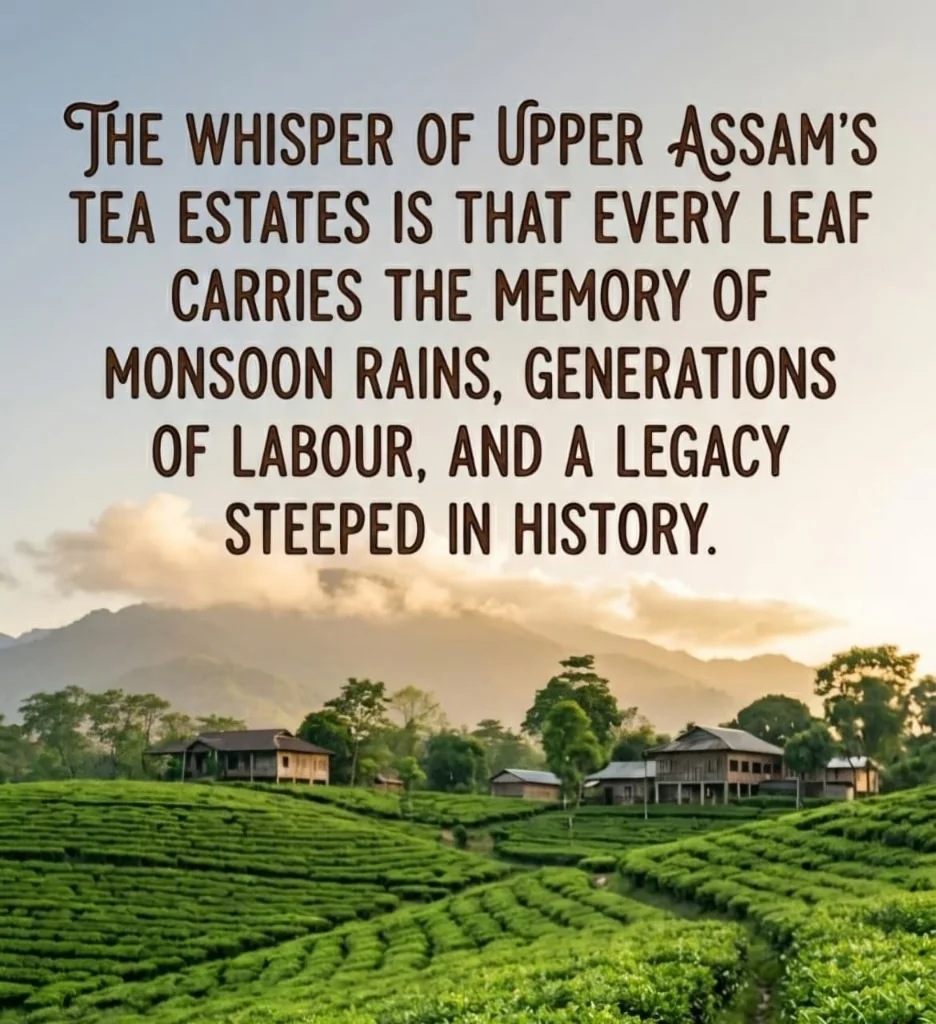
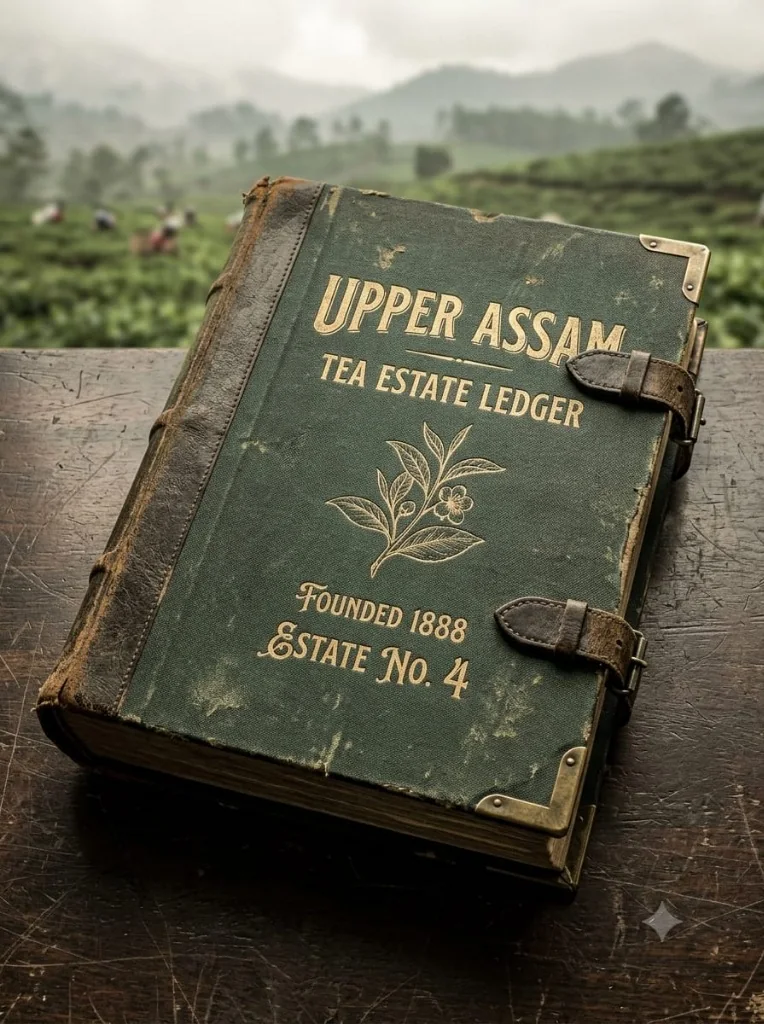
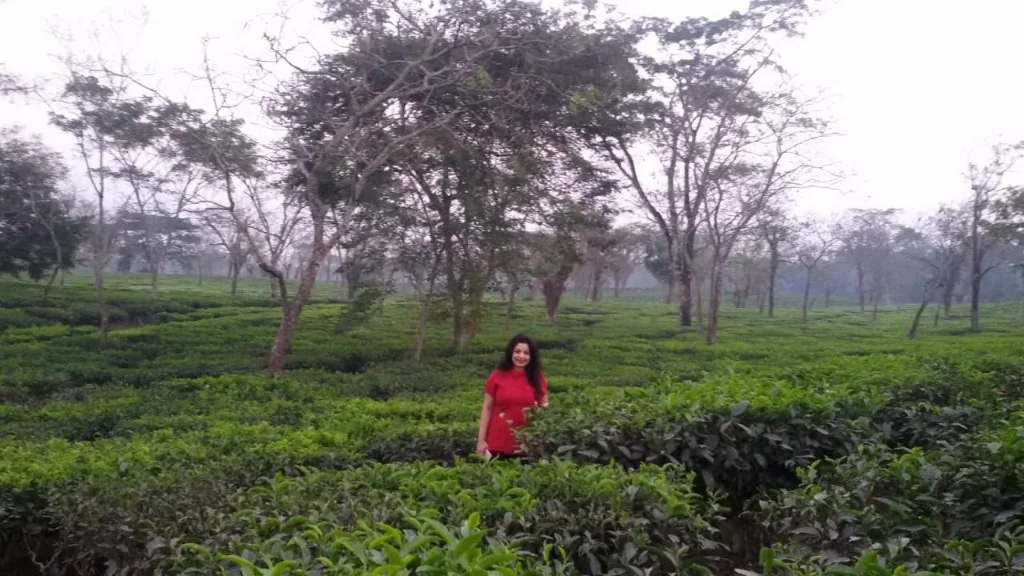
Upper Assam is the heart of India's tea industry and one of the world's most important tea-producing regions. Tea cultivation began here in the early nineteenth century when the British discovered that indigenous tea plants grew naturally in Assam. This led to the establishment of vast tea estates that transformed the region's economy and landscape. Today, endless rows of neatly manicured tea bushes stretch across the countryside, producing the strong, malty Assam tea enjoyed around the world. The tea industry remains the backbone of Upper Assam, providing livelihoods to thousands of workers and preserving a unique cultural heritage shaped by nearly two centuries of tea cultivation.
A Stay in a Colonial Tea Bungalow
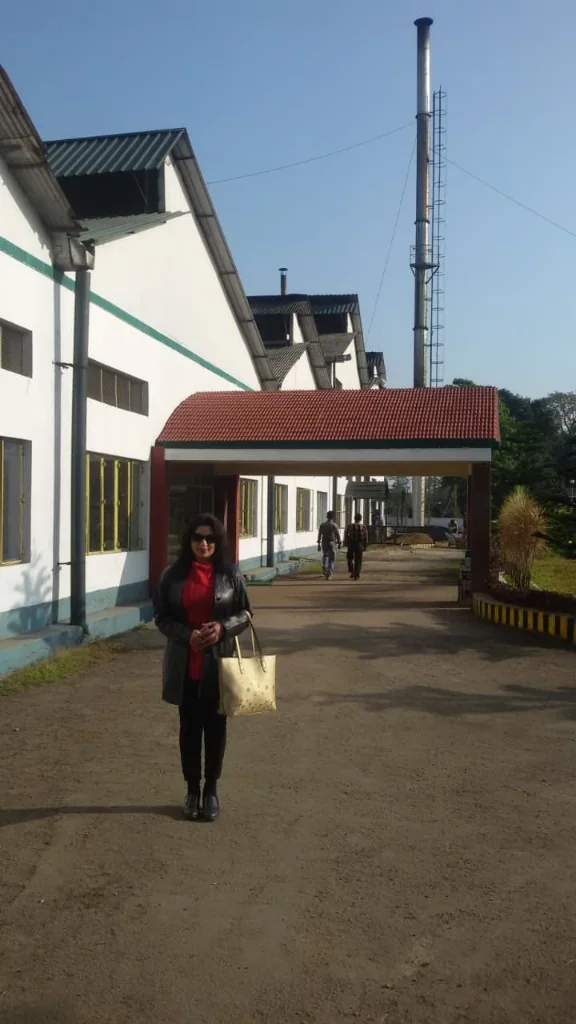
One of the highlights of our journey through Upper Assam was spending a night in a tea garden bungalow dating back to the British era. Surrounded by endless tea estates, the bungalow's spacious verandas, antique furniture, and old-world charm transported us to a different time. A massive banyan tree stood at its centre, seemingly watching over generations of planters and travellers.
While Jorhat is an excellent base for exploring Upper Assam, a heritage tea bungalow can be an equally rewarding option, offering easy access to nearby attractions and a deeper connection with the region's tea culture. As for the stories of haunted tea bungalows, we found them to be nothing more than myths—the bungalow was peaceful, comfortable, and full of character.
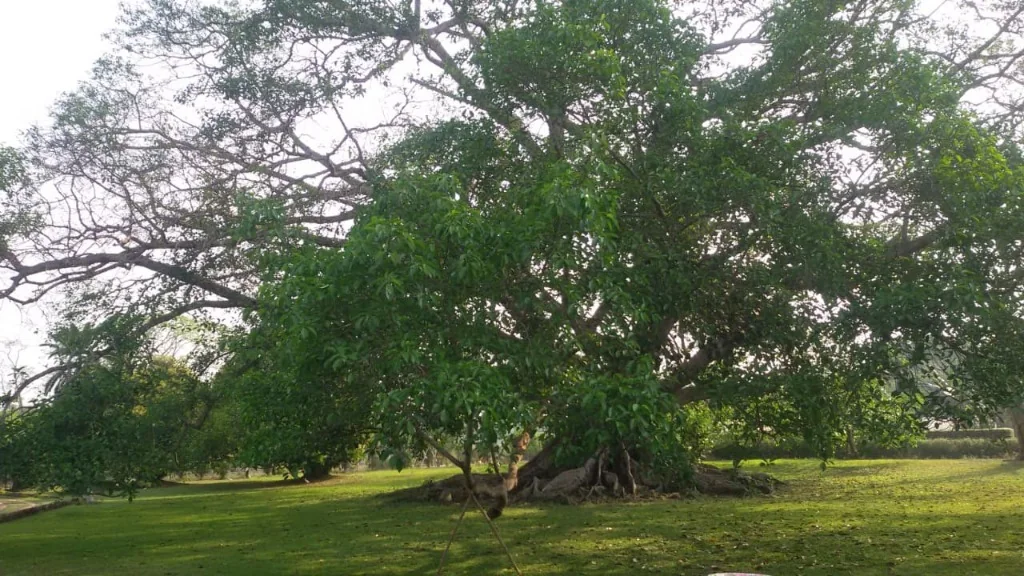
Massive banyan tree in the heritage tea bungalow lawn
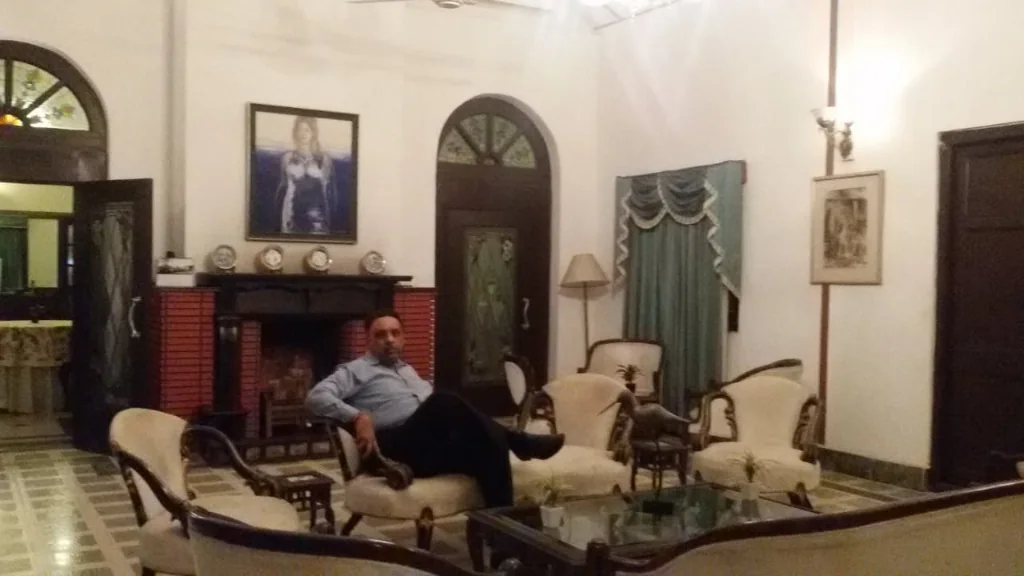
Gentleman sitting in the colonial tea bungalow living room
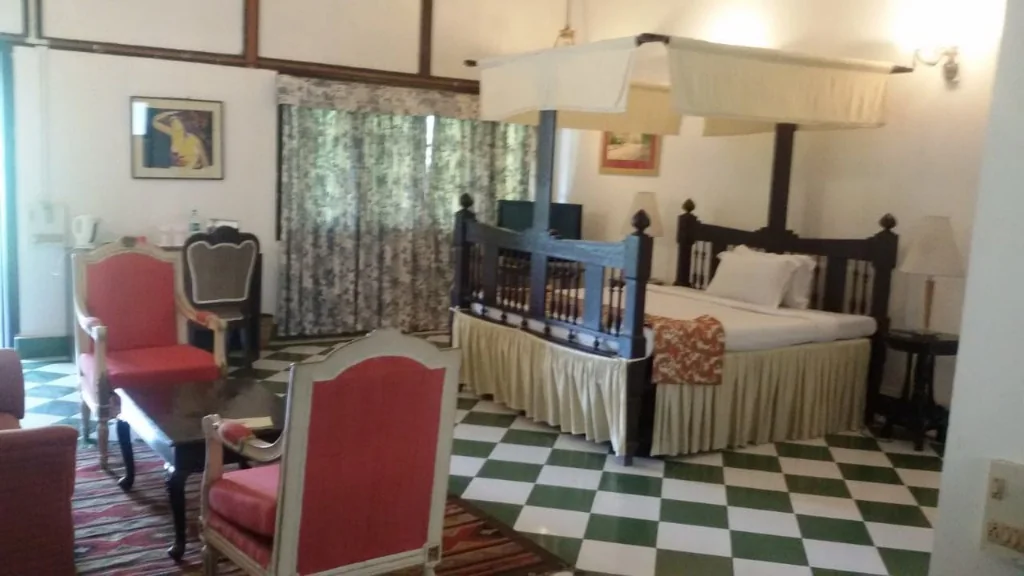
Bedroom with four-poster bed inside the heritage tea bungalow
The Ahom Kingdom
The Ahom Kingdom was one of the longest-ruling dynasties in Indian history, governing much of Assam from 1228 to 1826. Founded by Sukaphaa, a Tai prince who crossed the Patkai Hills into the Brahmaputra Valley, the kingdom gradually expanded and developed a unique culture that blended Tai and Assamese traditions. The Ahoms successfully resisted repeated Mughal invasions and left behind a rich legacy of temples, palaces, tanks, and monuments, many of which can still be seen in Sivasagar, their former capital. Their six centuries of rule played a defining role in shaping the history and identity of Assam.
Ahom Temples of Sivasagar
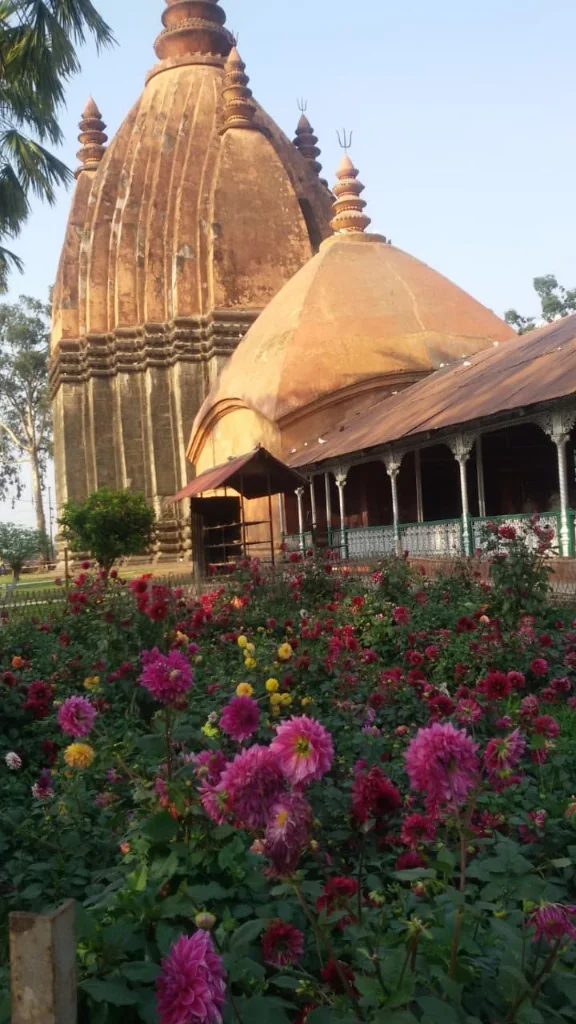
Sivasagar is the spiritual and architectural heart of the Ahom Kingdom, home to some of Assam's finest temple complexes. The most impressive is the Shiva Dol, built in 1734 on the banks of the vast Sivasagar Tank. Flanked by the Vishnu Dol and Devi Dol, its towering spire dominates the skyline and stands as a symbol of Ahom craftsmanship. Nearby, the temple complexes of Joysagar and Gaurisagar add to the city's rich heritage, reflecting the prosperity and cultural achievements of the Ahom rulers. Together, these temples, tanks, and monuments make Sivasagar one of the most important historical destinations in Northeast India.
Historic Temples & Palaces
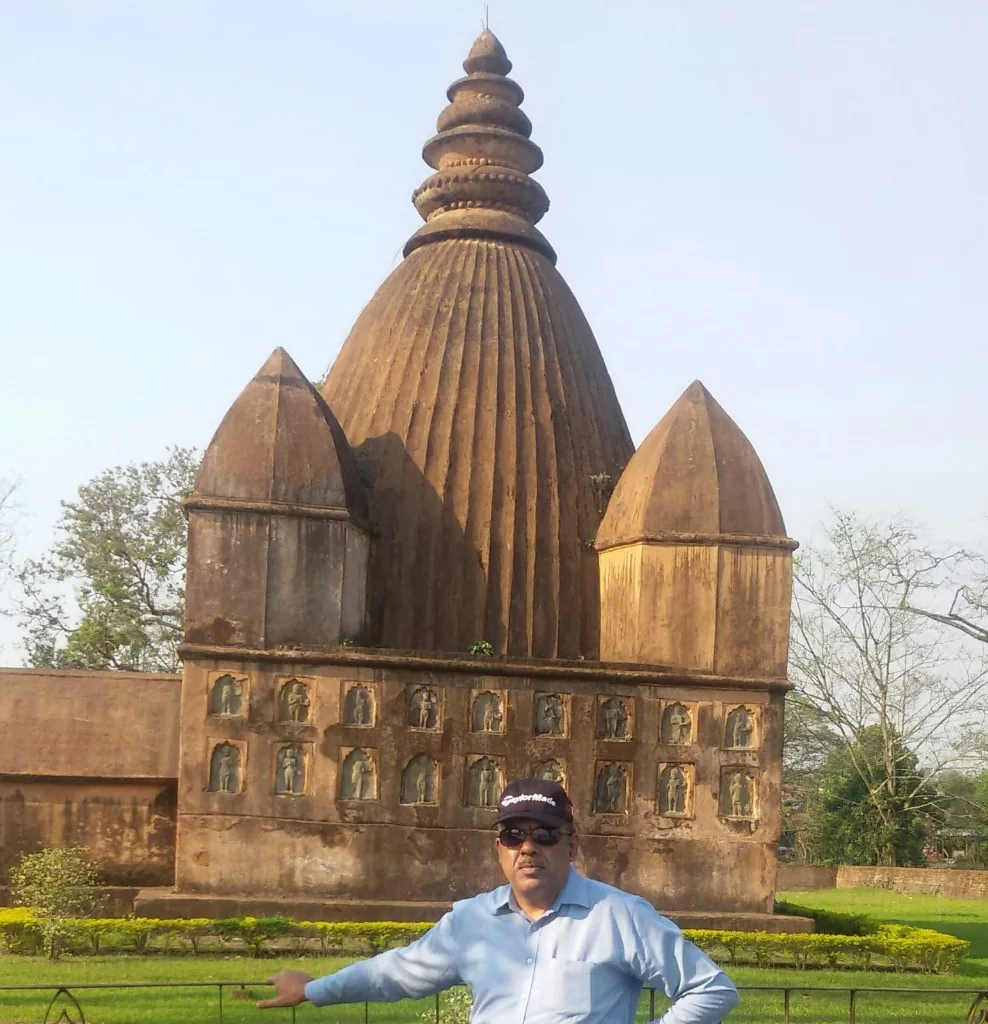
Joy Dol
Joy Dol (also known as Keshabrai Vishnu Doul), a historic 17th-century temple in Joysagar, Sivasagar district, Assam, India.
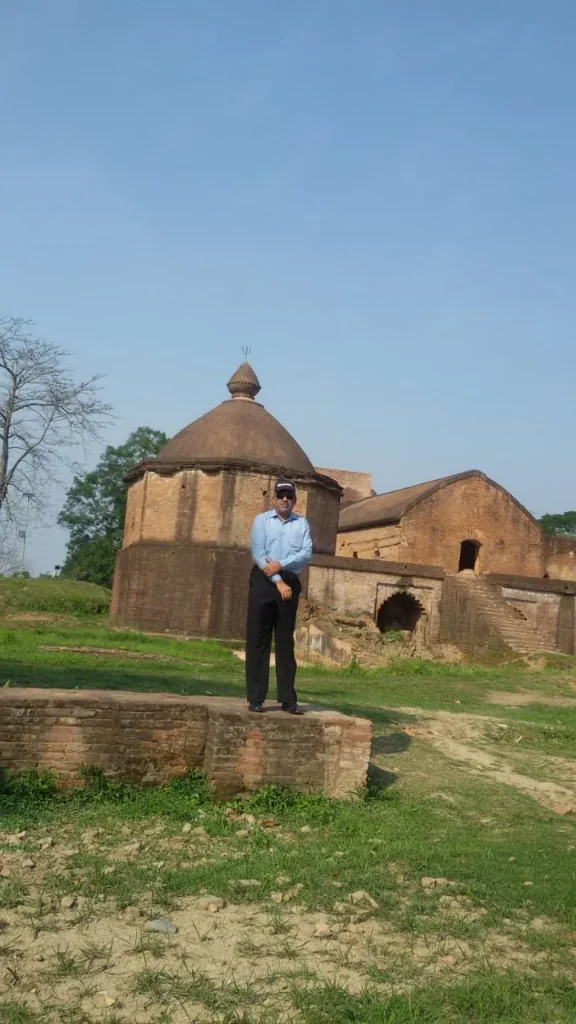
Talatal Ghar
Talatal Ghar, an 18th-century palace and military base in Sivasagar, Assam, India.
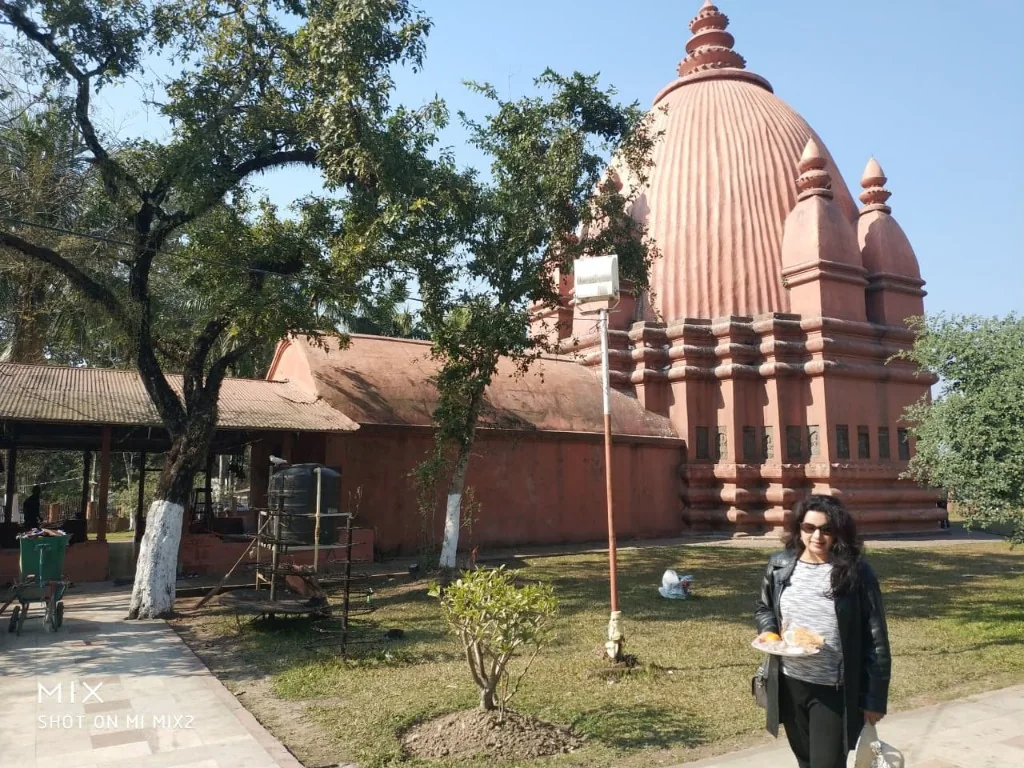
Devi Dol
Devi Dol in Sivasagar, Assam.
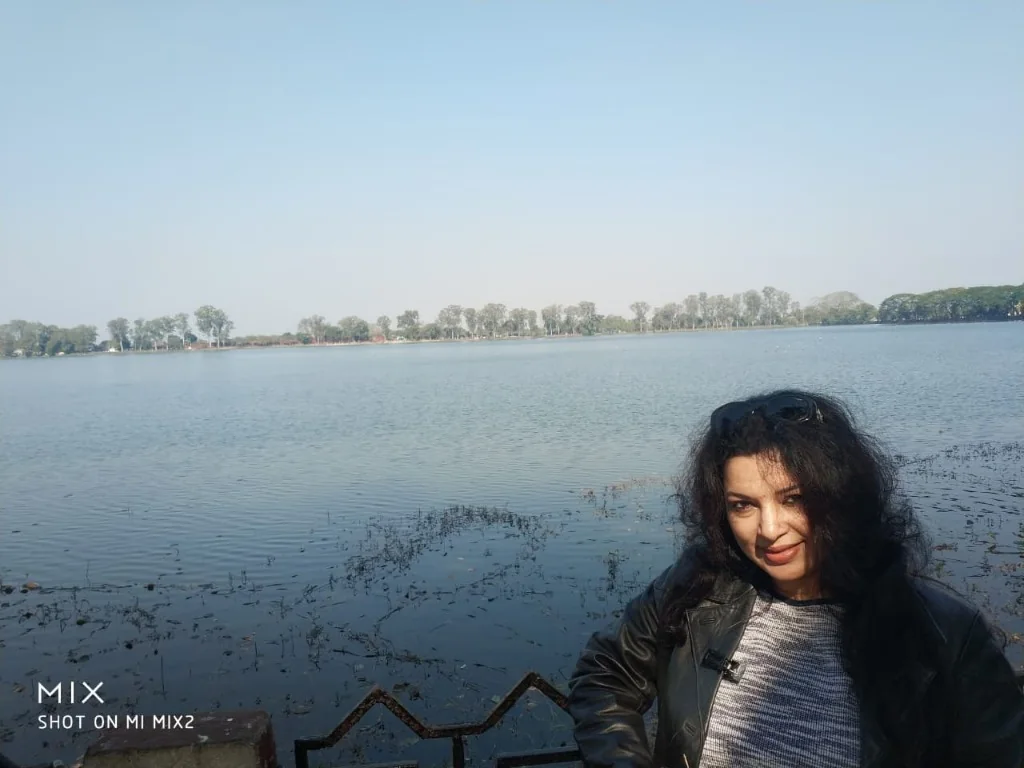
Jaysagar Tank and Temples
Jaysagar Tank and Temples in Sibsagar, Assam, India.
Shiva Dol
Sivasagar Sivadol (also known as the Shiva Dol temple) located in Sivasagar, Assam, India.
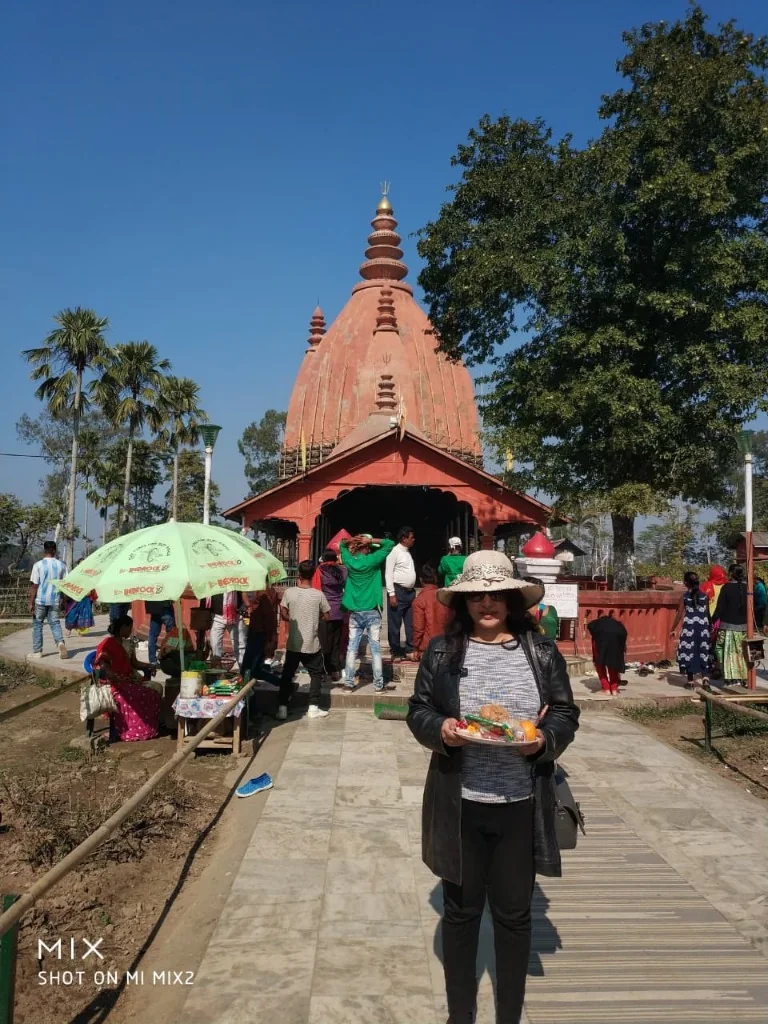
Industrial Heritage of Upper Assam
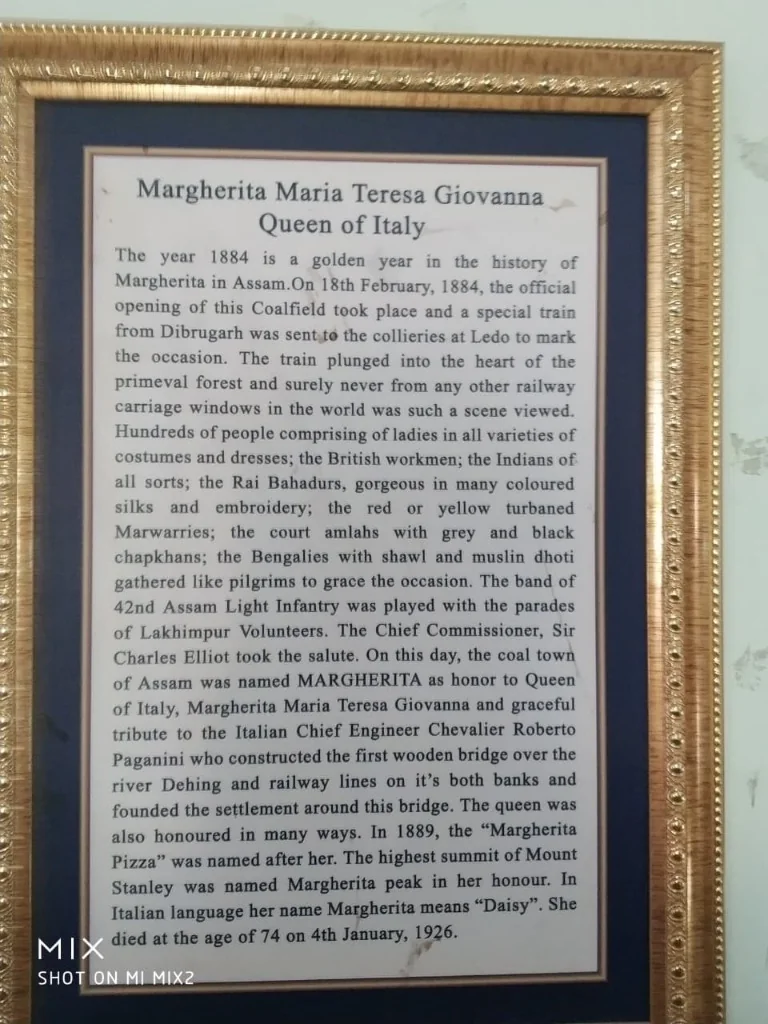
Coal Heritage Museum, Margherita (Town named after Italian Queen Margherita of Savoy)
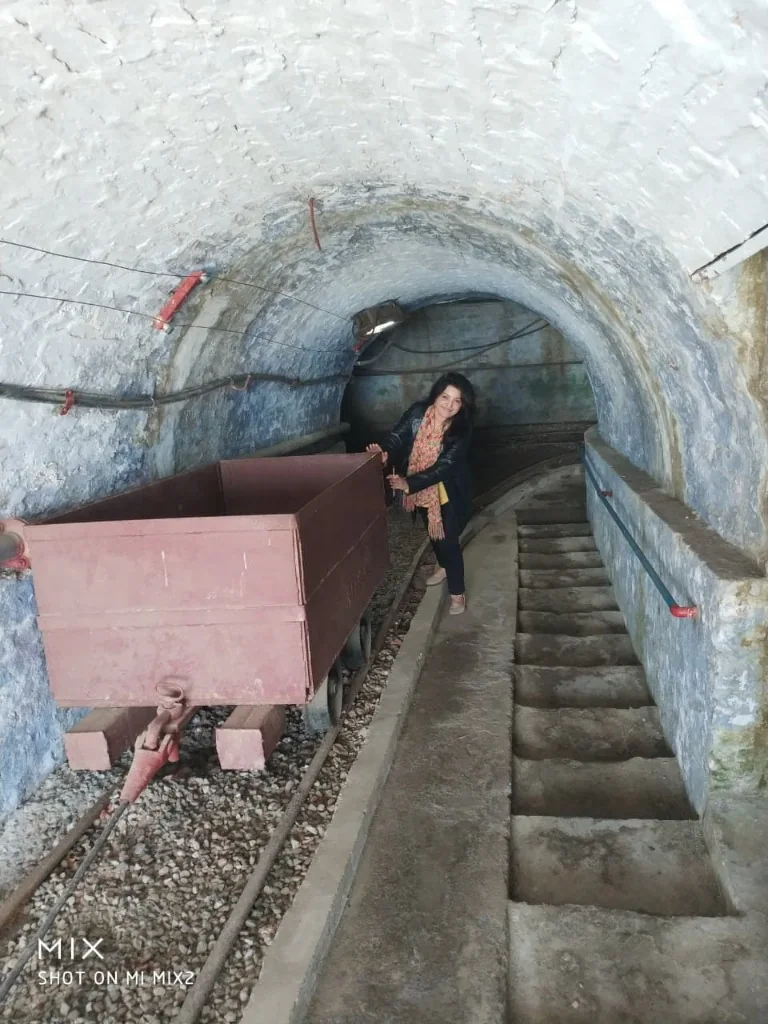
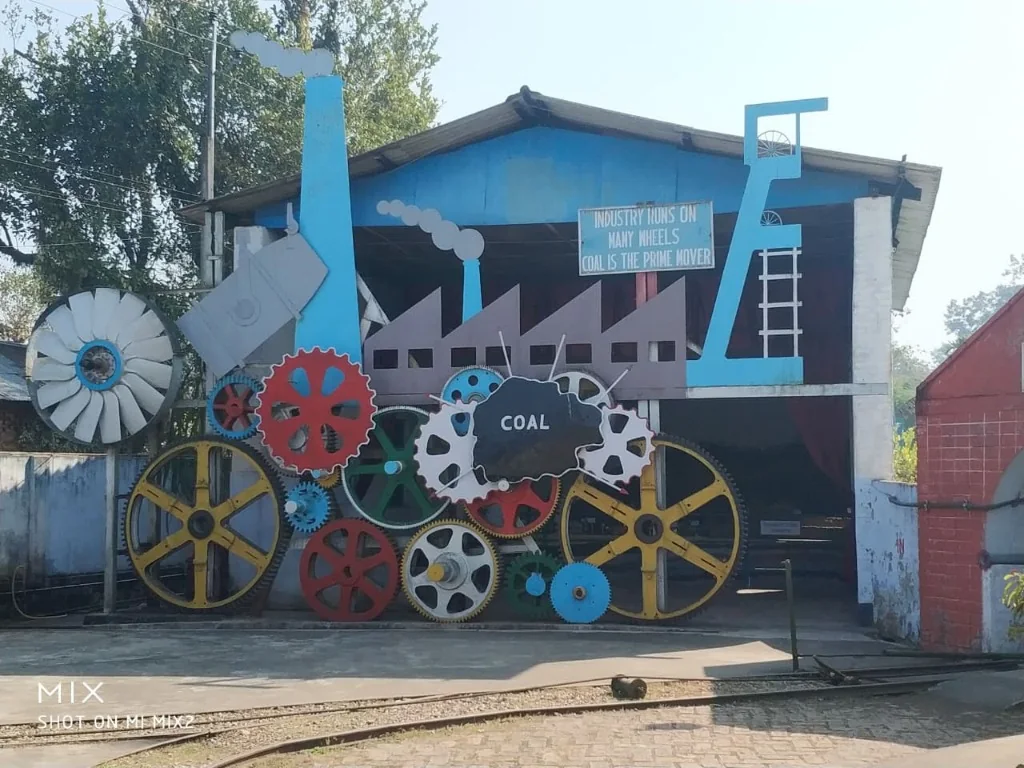
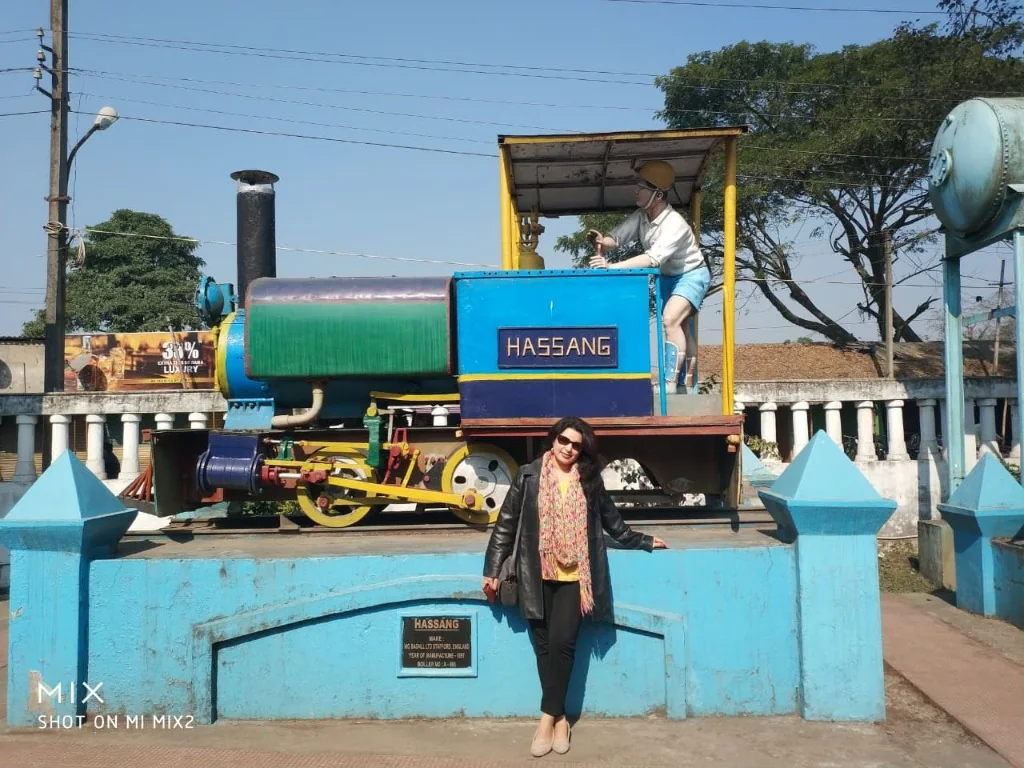
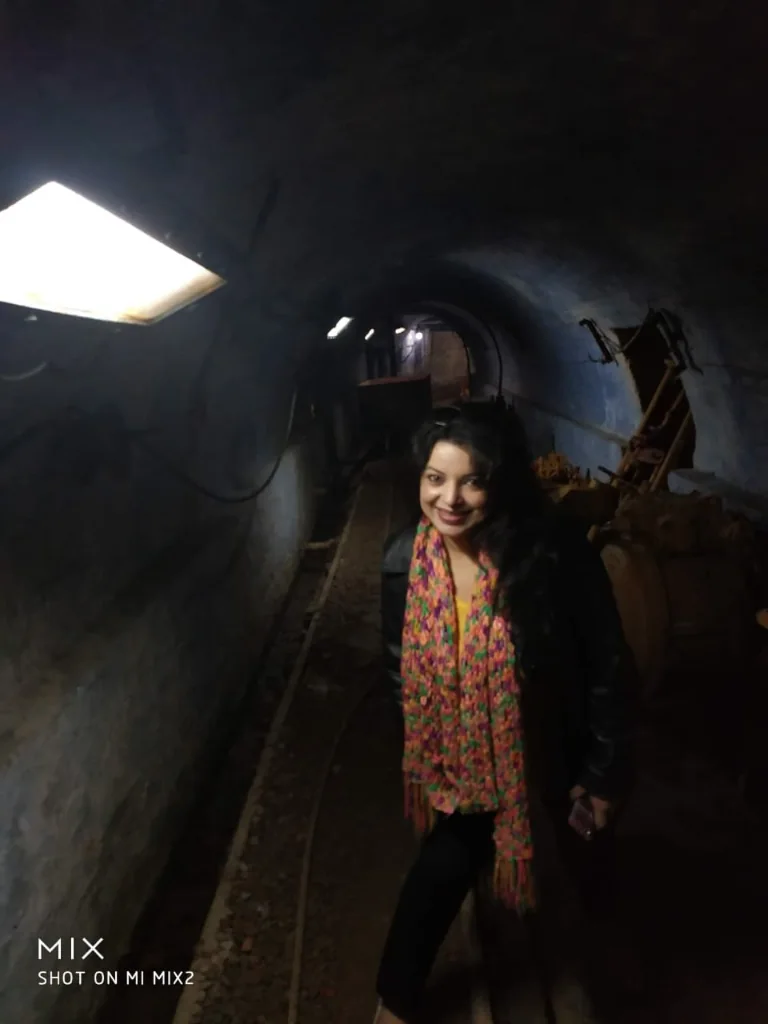
One of the most fascinating attractions in Upper Assam is the Coal Heritage Museum at Margherita, often described as India's only dedicated coal museum. Located in the region known as the "Coal Queen of Assam," the museum traces more than a century of coal-mining history that began when the British discovered coal in the Margherita–Ledo area in the 1880s. Vintage steam locomotives, mining equipment, photographs, documents, and models of underground mines vividly illustrate how coal shaped the economy and development of Upper Assam. A visit to the museum offers a unique glimpse into the industrial heritage of a region better known for its tea gardens and natural beauty.
Digboi Oil Museum
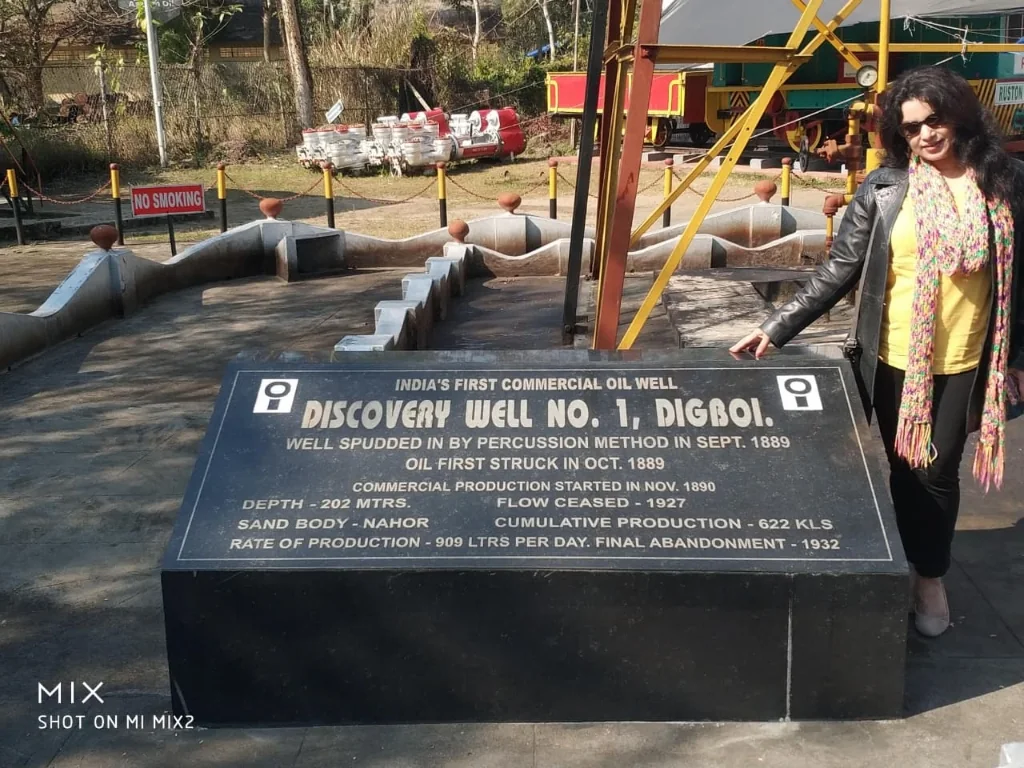
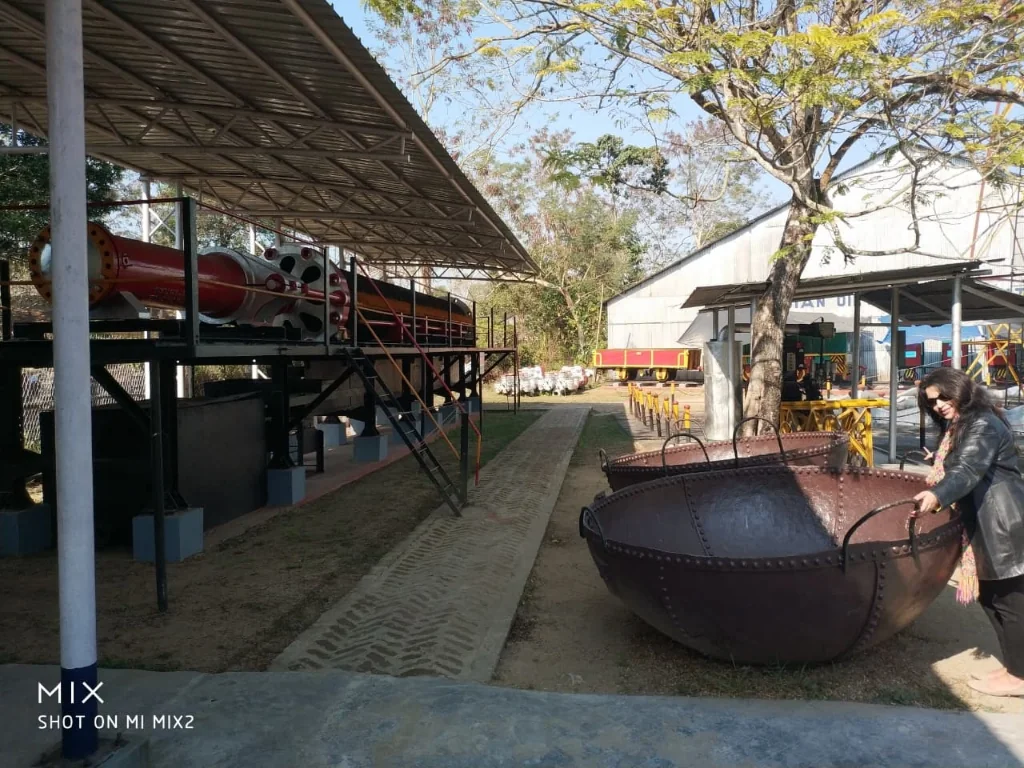
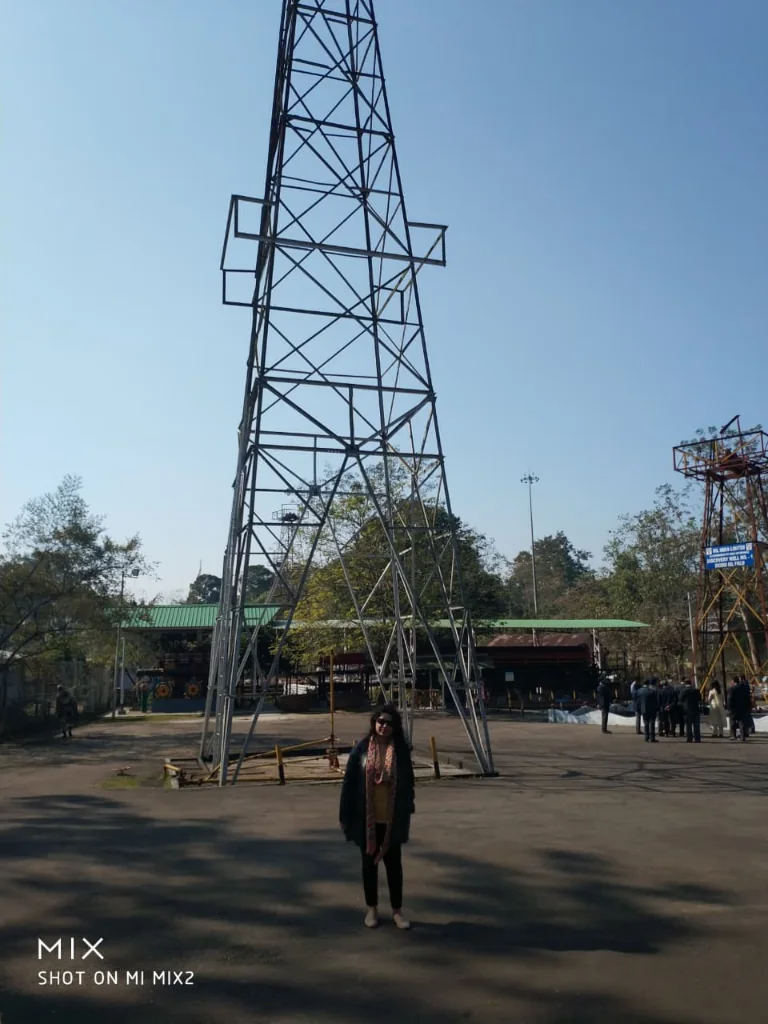
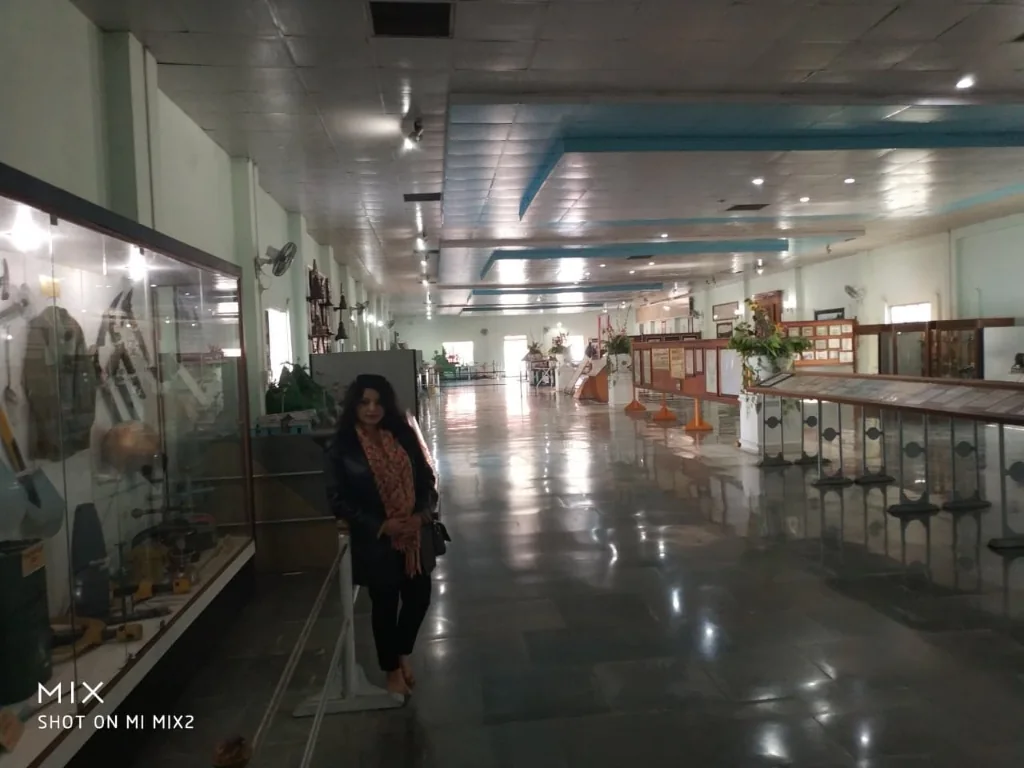
A visit to the Digboi Oil Museum offers a fascinating journey through the history of India's petroleum industry. Located in the town where oil was first discovered in India, the museum showcases vintage drilling equipment, photographs, documents, models, and machinery that trace the evolution of oil exploration and refining in Assam. The exhibits highlight the pioneering efforts that transformed Digboi into the birthplace of India's oil industry and provide valuable insight into the technological and industrial developments of the past century. For anyone interested in history, engineering, or industry, the museum is one of the most interesting attractions in Upper Assam.
Dibrugarh: The Tea City of India
Situated on the banks of the Brahmaputra, Dibrugarh is one of the principal cities of Upper Assam and a major centre of India's tea industry. Surrounded by vast tea estates, the city serves as a gateway to the region's tea heritage, wildlife, and industrial history, making it an important stop on any journey through Upper Assam.
Wildlife Expeditions of Upper Assam
Hollongapar Gibbon Sanctuary, Upper Assam
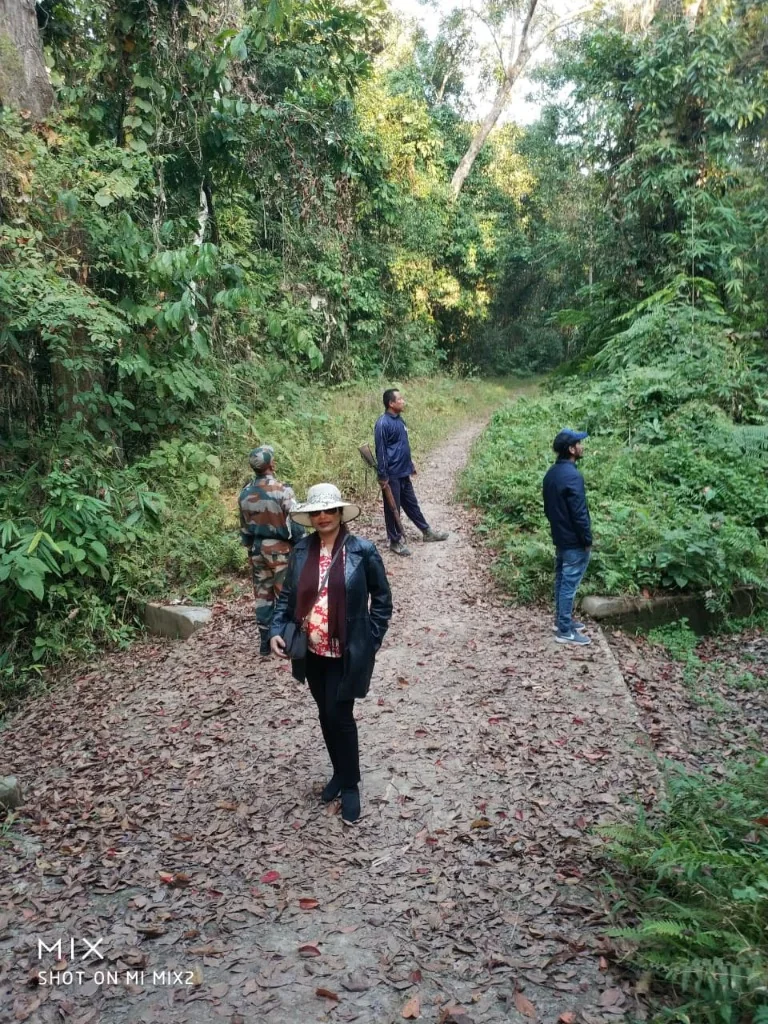
Nestled amidst the tea gardens of Upper Assam, Hollongapar Gibbon Sanctuary is India's only sanctuary dedicated to gibbons and one of the last remaining refuges of the endangered Western Hoolock Gibbon, India's only ape. Unlike most wildlife sanctuaries, the experience here involves walking through dense tropical forest accompanied by a forest guard and guide in search of these elusive primates high in the forest canopy. We spent nearly two hours trekking through the sanctuary and, although we managed to spot only a few gibbons perched high in the trees, the experience of exploring this unique rainforest habitat was rewarding in itself. The sanctuary is also home to several other primates, birds, and rich biodiversity, making it an important conservation area in Upper Assam.
Kaziranga National Park
A separate blog on Kaziranga has been made by me. Included here as Kaziranga is part of Upper Assam.
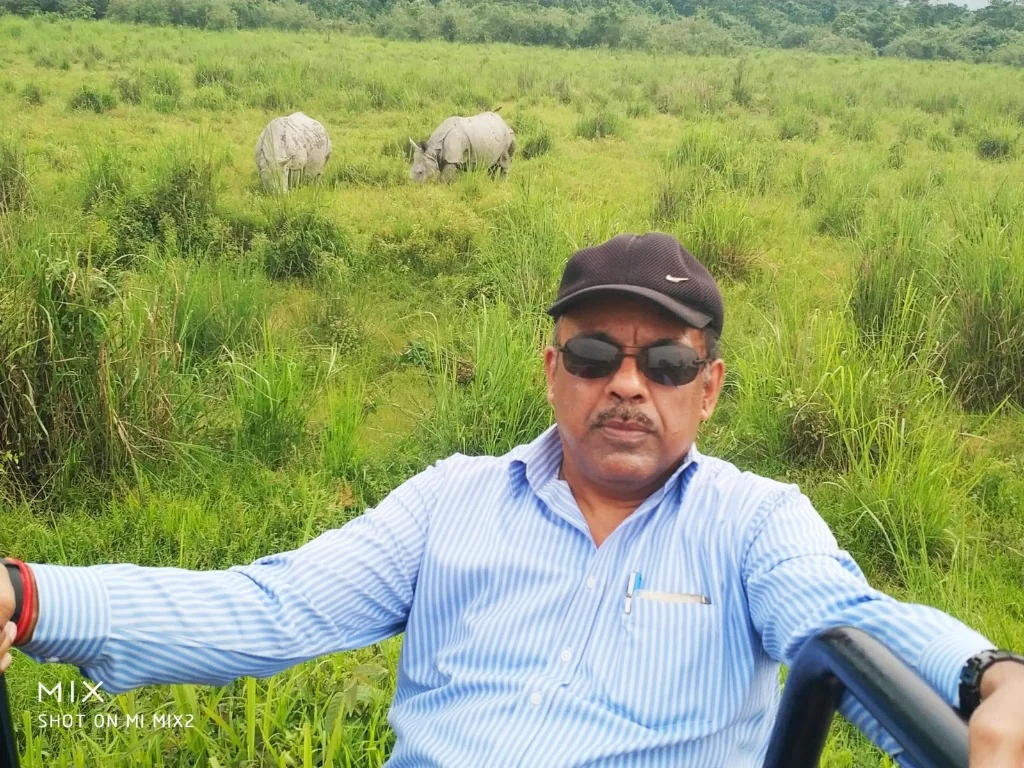
A visit to Kaziranga was one of the highlights of our journey through Assam. We explored the park in a hired jeep, driving through its vast grasslands and wetlands in search of wildlife. Kaziranga is home to the "Big Four"—the one-horned rhinoceros, elephant, wild water buffalo, and tiger—but it is most famous for its remarkable population of the endangered single-horned rhinoceros. During the safari, we were fortunate to see large numbers of rhinoceroses, wild buffaloes, and elephants, often at surprisingly close range, making for an unforgettable wildlife experience.
Tips for Visiting Upper Assam
- ✓Use Jorhat as your main base for exploring the region.
- ✓Spend at least one night in a heritage tea garden bungalow for a unique experience.
- ✓Visit between November and April for pleasant weather and good road conditions.
- ✓Allocate time for Kaziranga, Sivasagar, tea estates, and the Hollongapar Gibbon Sanctuary.
- ✓Start wildlife excursions early in the morning for the best sightings.
- ✓Carry binoculars, sunscreen, insect repellent, and comfortable walking shoes.
- ✓Respect local customs and seek permission before photographing people.
- ✓Keep a flexible itinerary, as weather and road conditions can occasionally affect travel plans.
- ✓Sample authentic Assamese cuisine and local tea during your stay.
- ✓Allow at least 5–7 days to appreciate the history, wildlife, tea heritage, and industrial landmarks of Upper Assam.
Upper Assam is best enjoyed at a leisurely pace, allowing time to absorb its unique blend of culture, history, wildlife, and tea country charm.
Conclusion
When I left Upper Assam, I realised I was taking home far more than memories of endless tea gardens. I carried with me the story of a land where kingdoms flourished, industries were born, wildlife still roams freely, and every cup of Assam tea tells a story that began nearly two centuries ago. Upper Assam is not merely a destination—it is one of India's most remarkable yet overlooked journeys.