NORTH EXPEDITION
Turtuk – A Slice of Baltistan in India
Discover India's northernmost Balti village, where the Karakoram meets centuries-old culture.
EXPLORE THE STORYA Slice of Baltistan in India
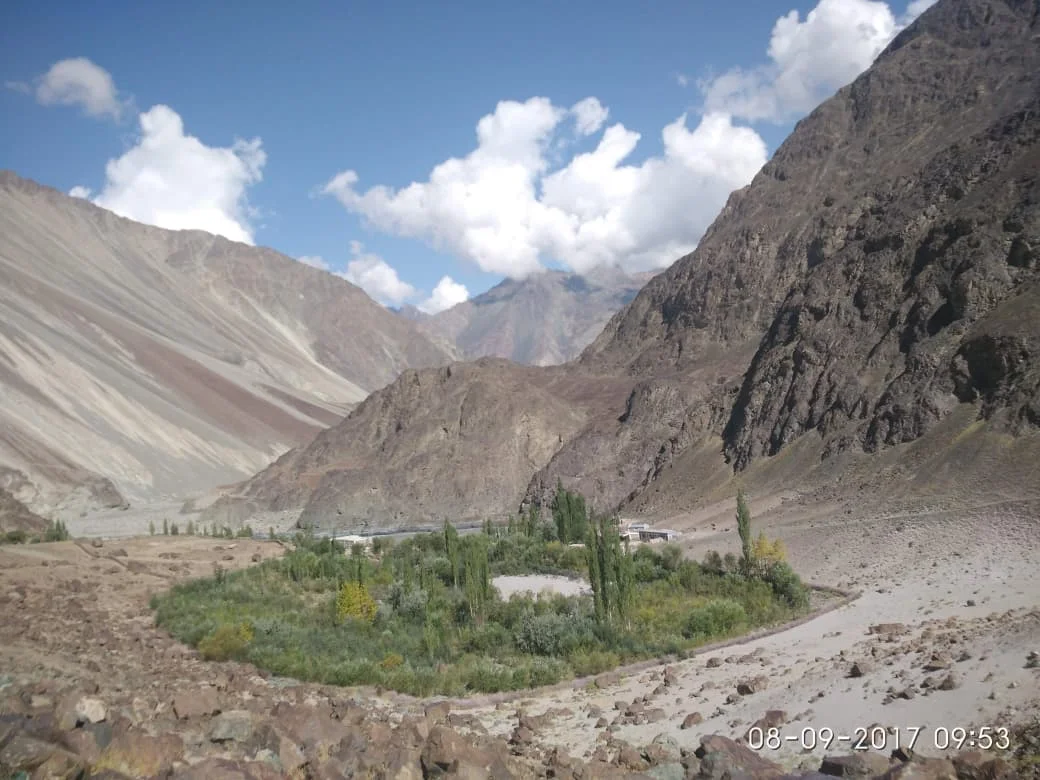
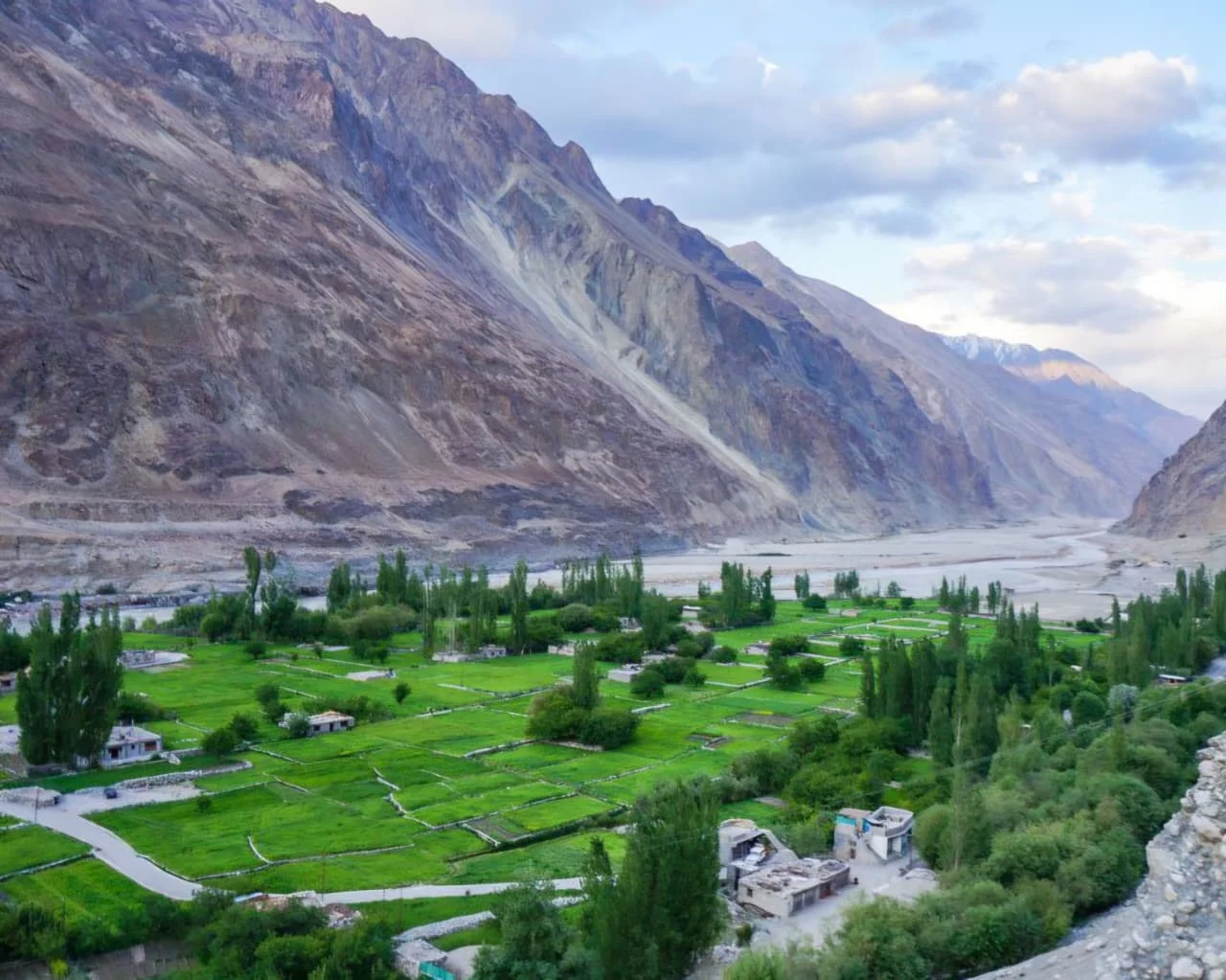
Turtuk is a beautiful Balti village in the Nubra region of Ladakh, about 205 km from Leh on the banks of the Shyok River. It lies close to the India–Pakistan border and is one of the few places in India where the unique Balti culture survives.
Flight to Leh – A Window to the Himalayas
Our journey to Leh began with an unforgettable flight from Delhi, and if there is one piece of advice I would give every traveller, it is this—book a window seat. As the aircraft left the plains behind and entered the Himalayas, the landscape transformed dramatically. Soon, the snow-covered peaks of the Pir Panjal, the Great Himalayan Range, the rugged Zanskar Range, and finally the stark Ladakh Range unfolded beneath us. It felt as though we were flying through the heart of the Himalayas. Don't miss this experience—a window seat is an absolute must.
Acclimatizing in Leh: The First Step to a Safe Ladakh Journey
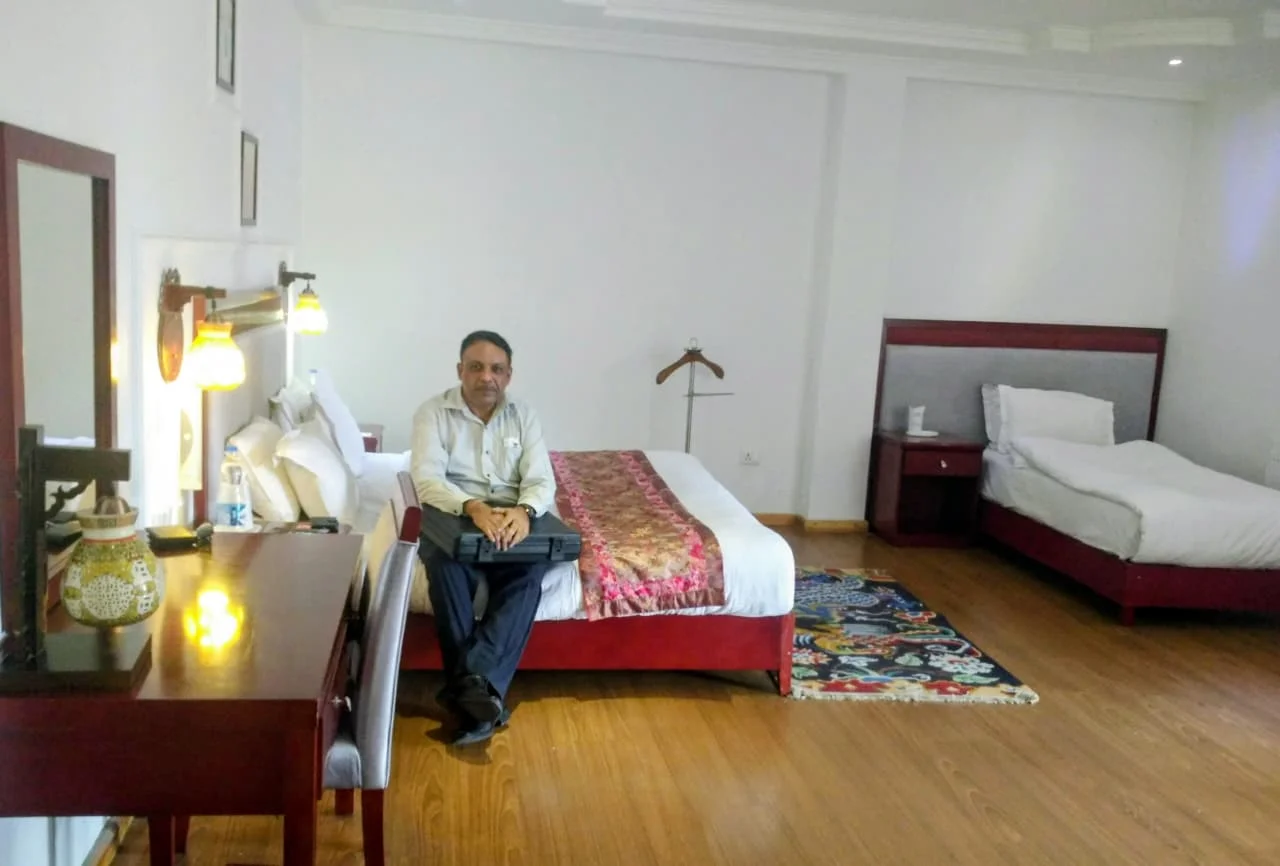
Before beginning the journey to Turtuk, spend at least 24 hours acclimatizing in Leh. Rest well, avoid strenuous activity, stay hydrated by drinking plenty of water, and allow your body time to adjust to the high altitude. A day of proper acclimatization can greatly reduce the risk of altitude sickness and make your Ladakh adventure far more enjoyable.
Journey to Turtuk Begins – En Route Thiksey Monastery
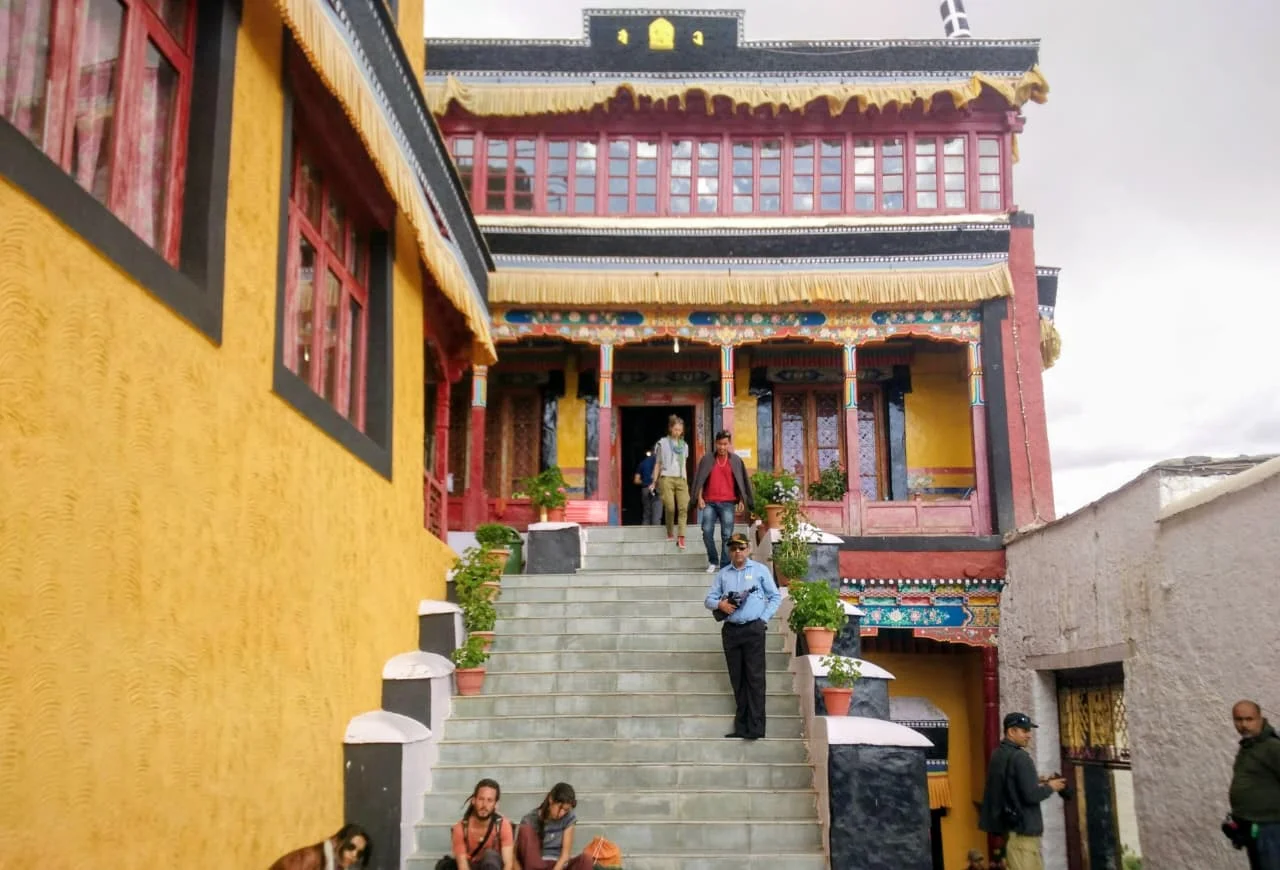
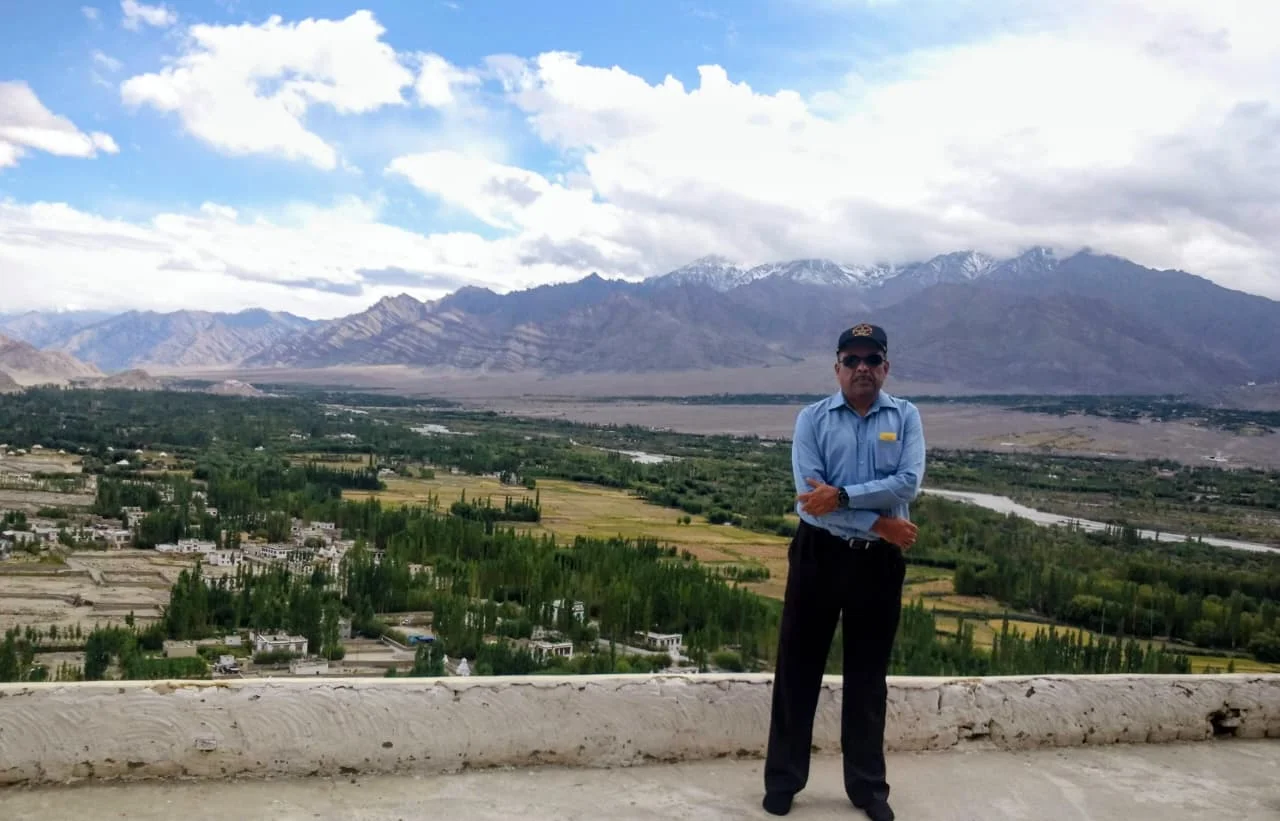
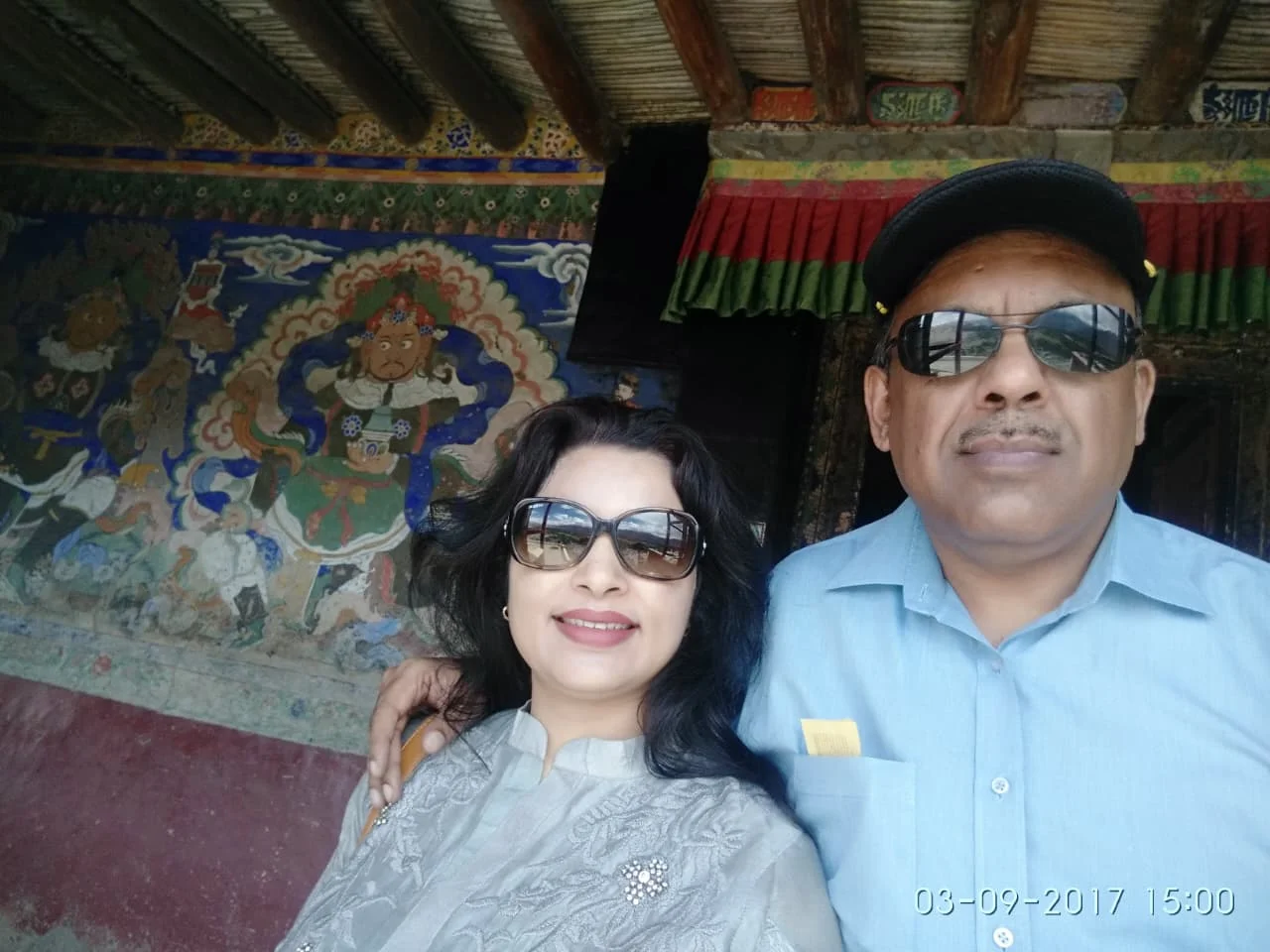
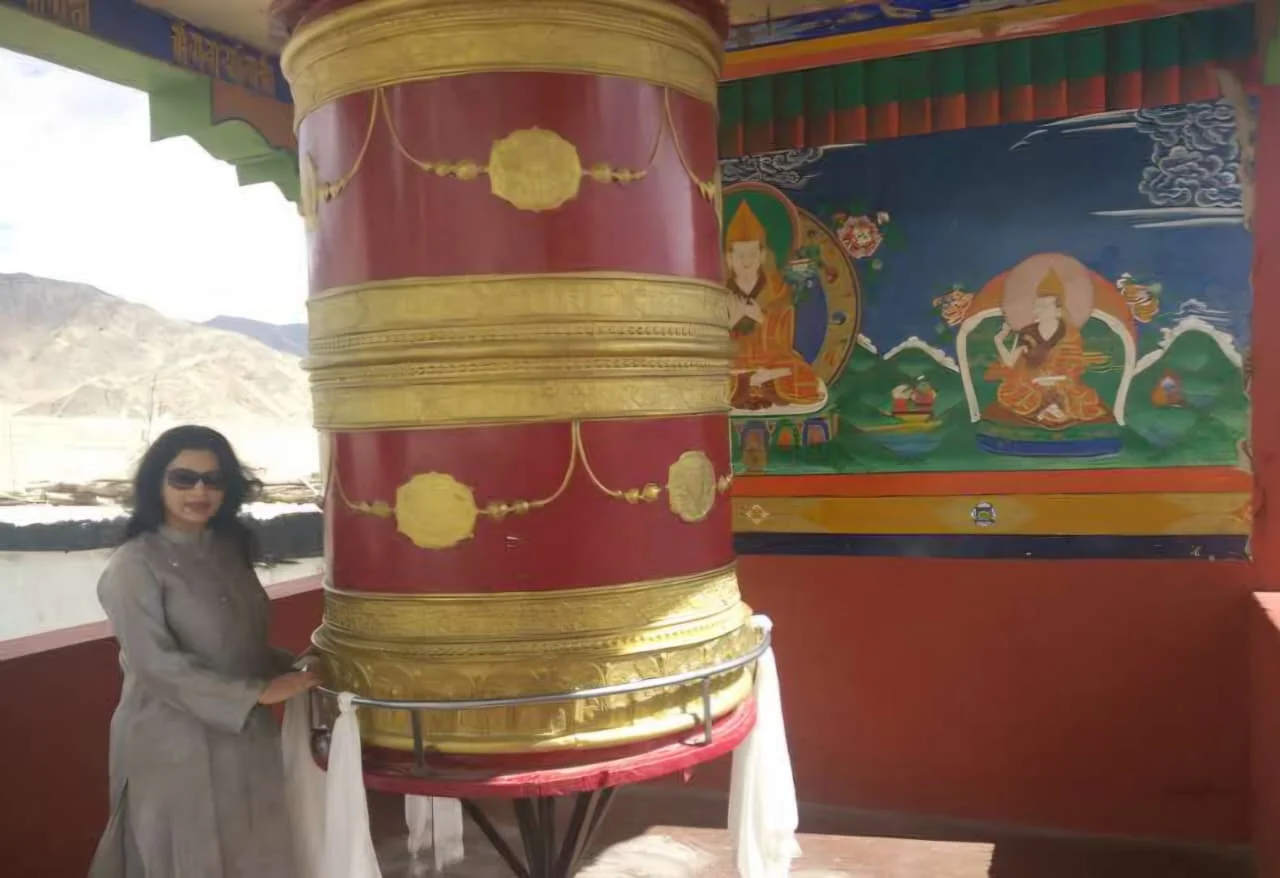
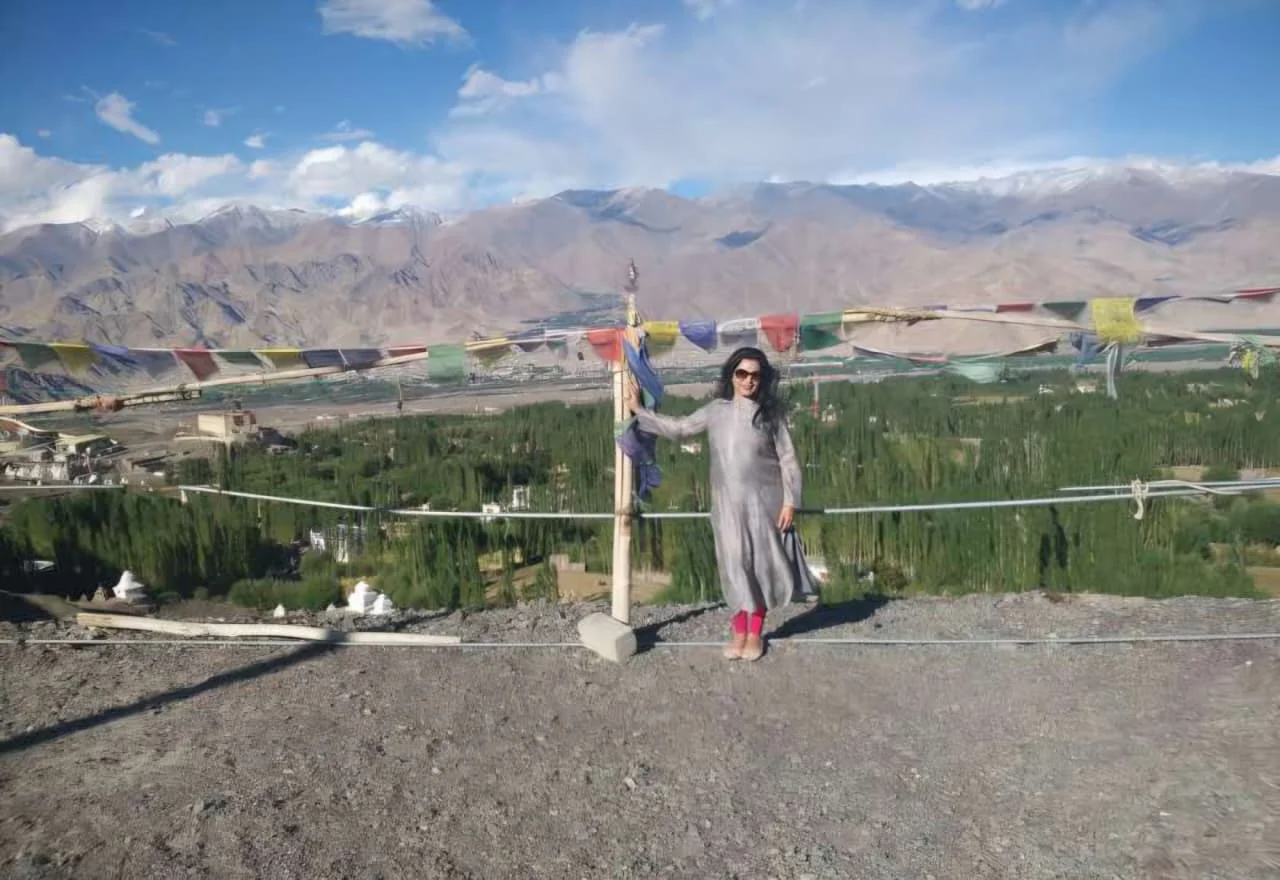
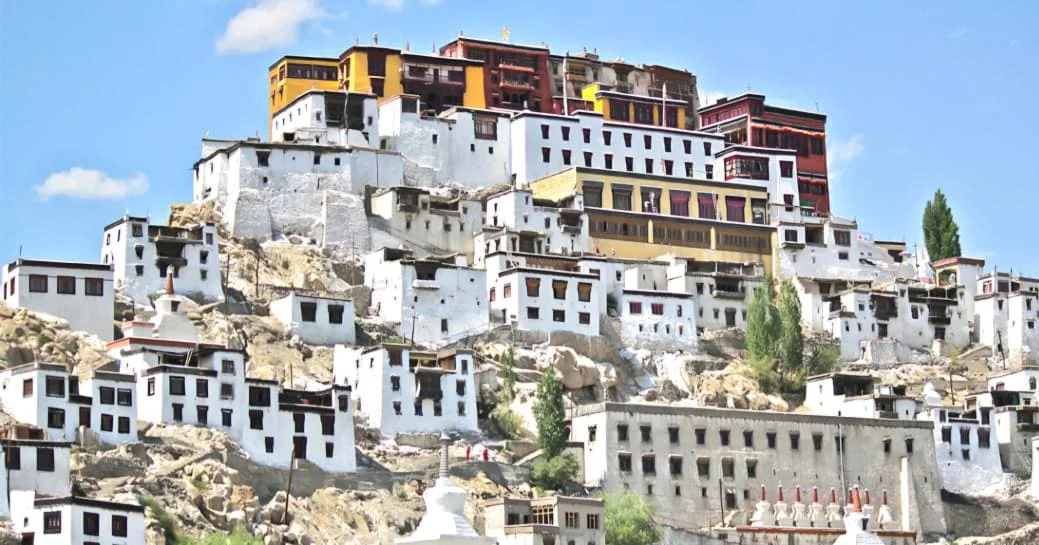
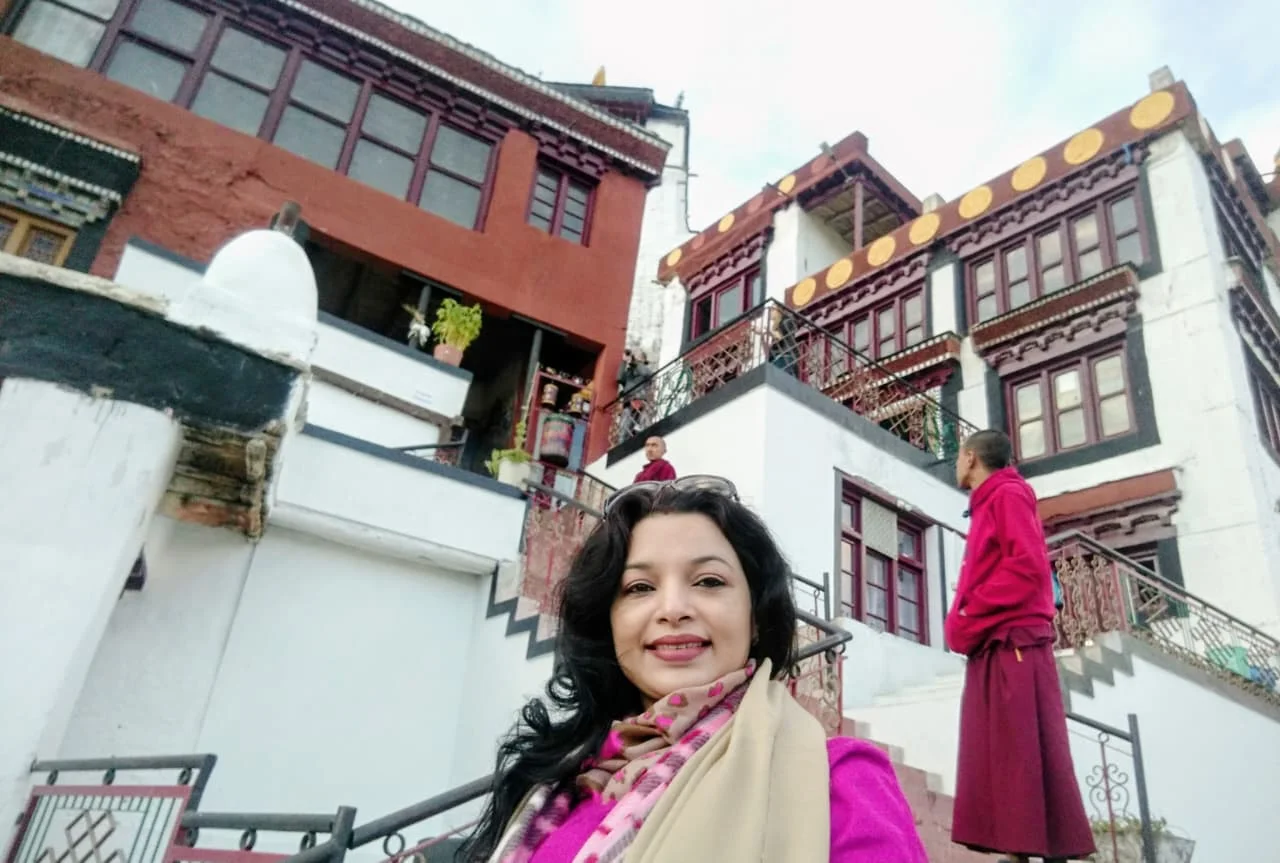
Perched majestically on a hilltop overlooking the Indus Valley, Thiksey Monastery is one of Ladakh's most spectacular and photogenic Buddhist monasteries. Often compared to the Potala Palace of Lhasa for its tiered architecture, this 12-storey monastery is a living centre of Tibetan Buddhism where prayer flags flutter in the mountain breeze and the chants of monks echo through ancient halls.
Khardung La – One of the World's Highest Passes
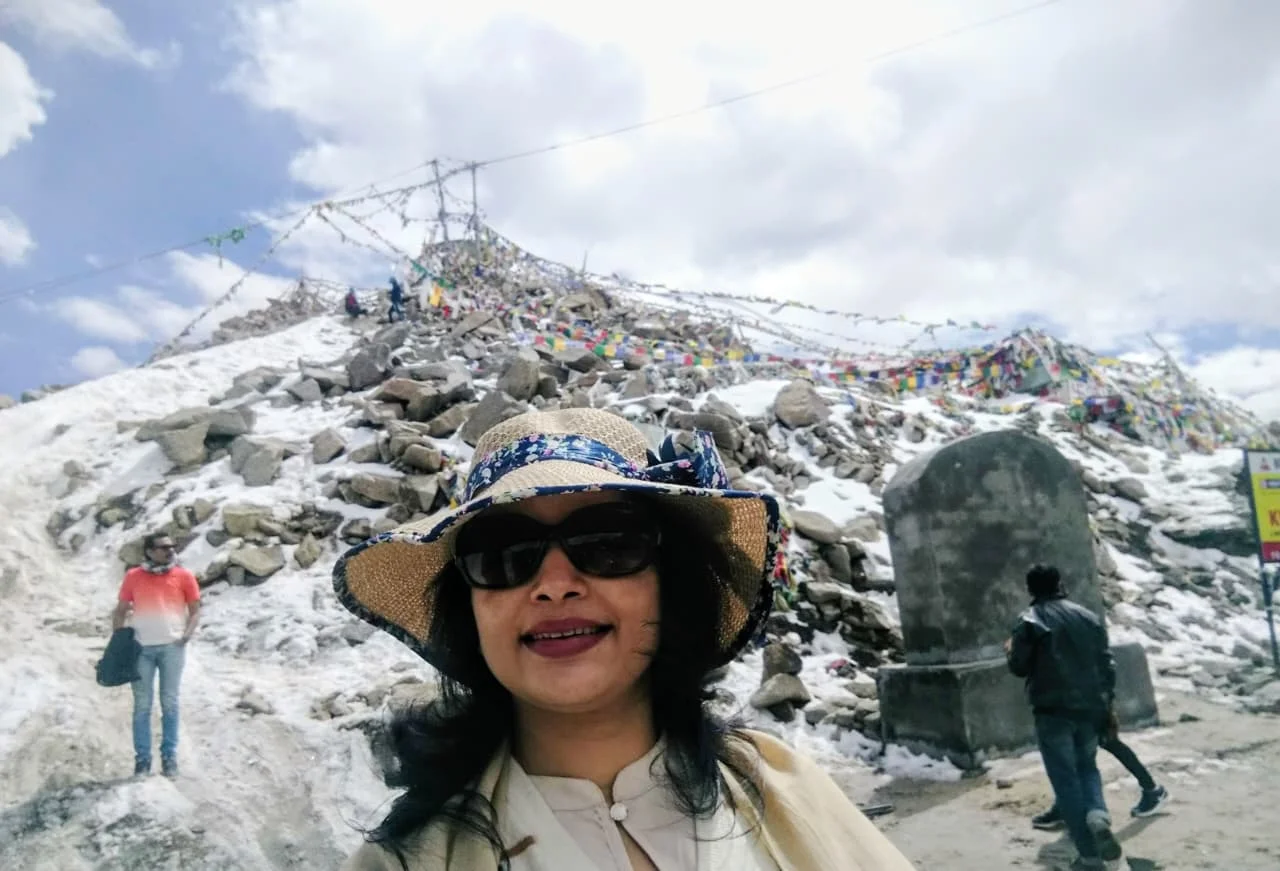
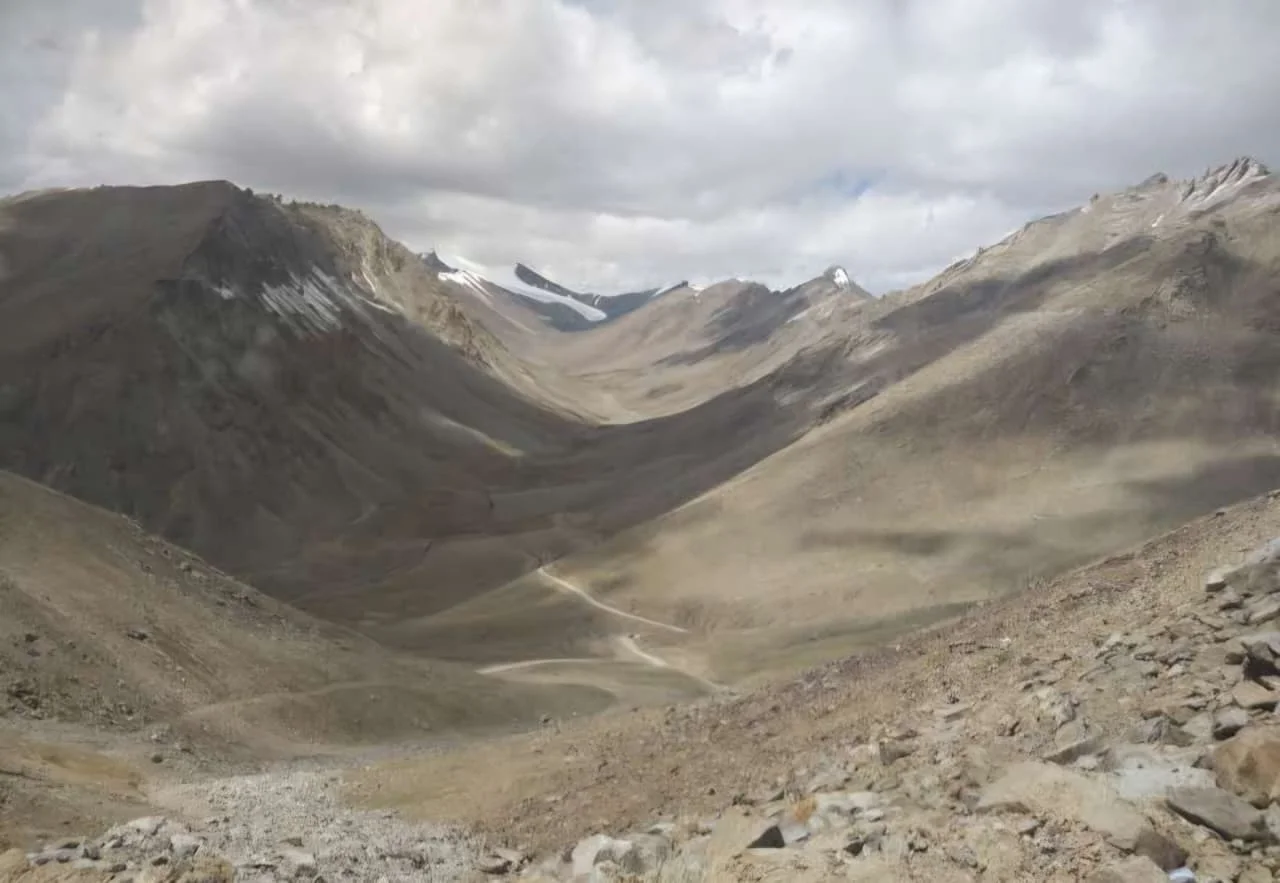
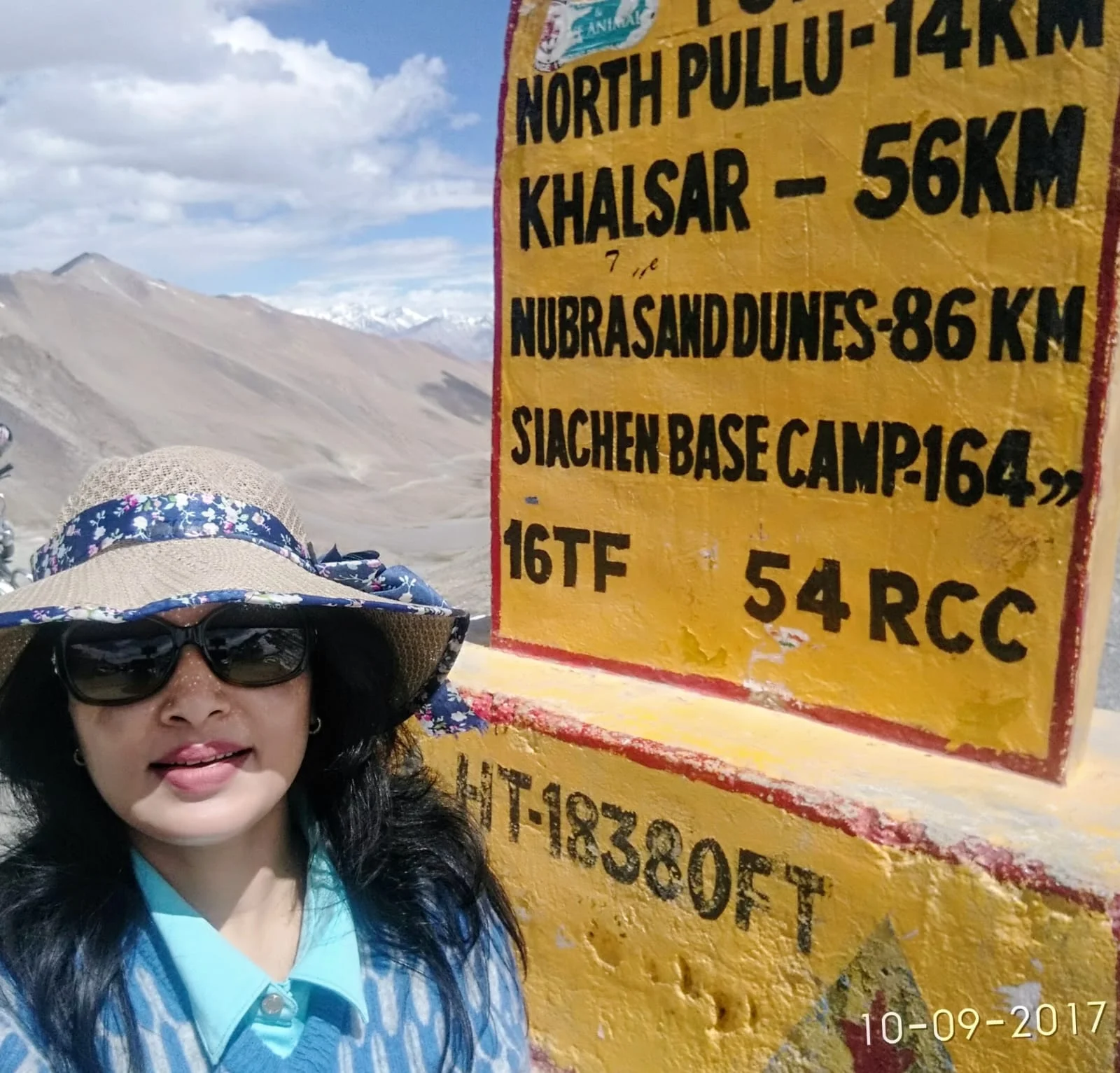
Khardung La, a high mountain pass in the Ladakh region of India, is widely recognised as one of the world's highest motorable roads, at an altitude of approximately 17,582 to 17,982 feet. The pass serves as the gateway to the Nubra Valley and is renowned for its rugged terrain, snow-covered peaks, and colourful prayer flags.
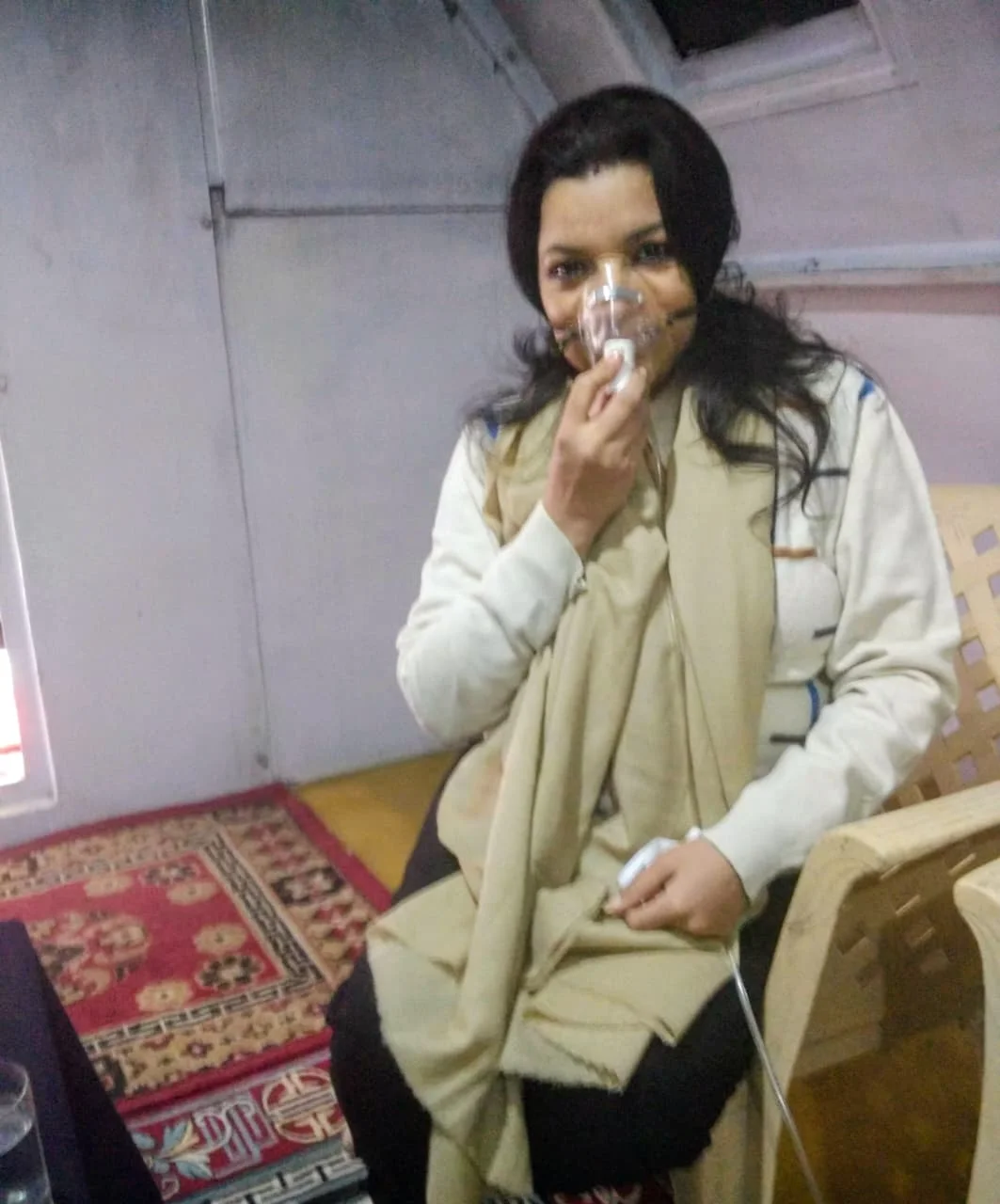
At this altitude, the oxygen level is significantly lower, making even a short walk feel strenuous. Visitors are advised to keep their halt brief to minimise the risk of altitude sickness. During our visit, patches of snow made the surface extremely slippery, so we walked with great care. A medical post equipped with oxygen is available at the pass to assist travellers in case of altitude-related emergencies.
Nubra Valley – The Desert in the Sky
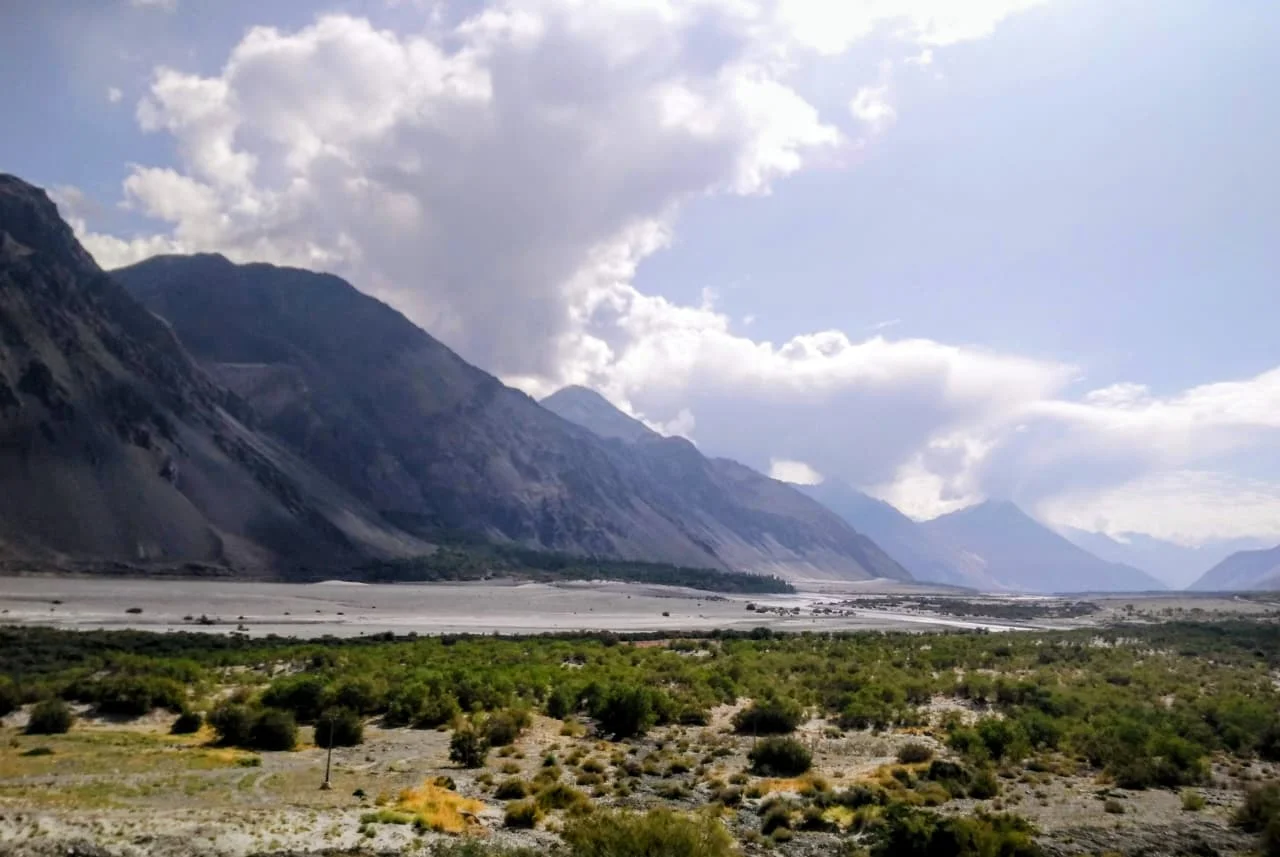
Nestled beyond the mighty Khardung La Pass, Nubra Valley is one of Ladakh's most enchanting landscapes, where rugged mountains, fertile villages, winding rivers, and vast sand dunes come together in a setting of extraordinary beauty.
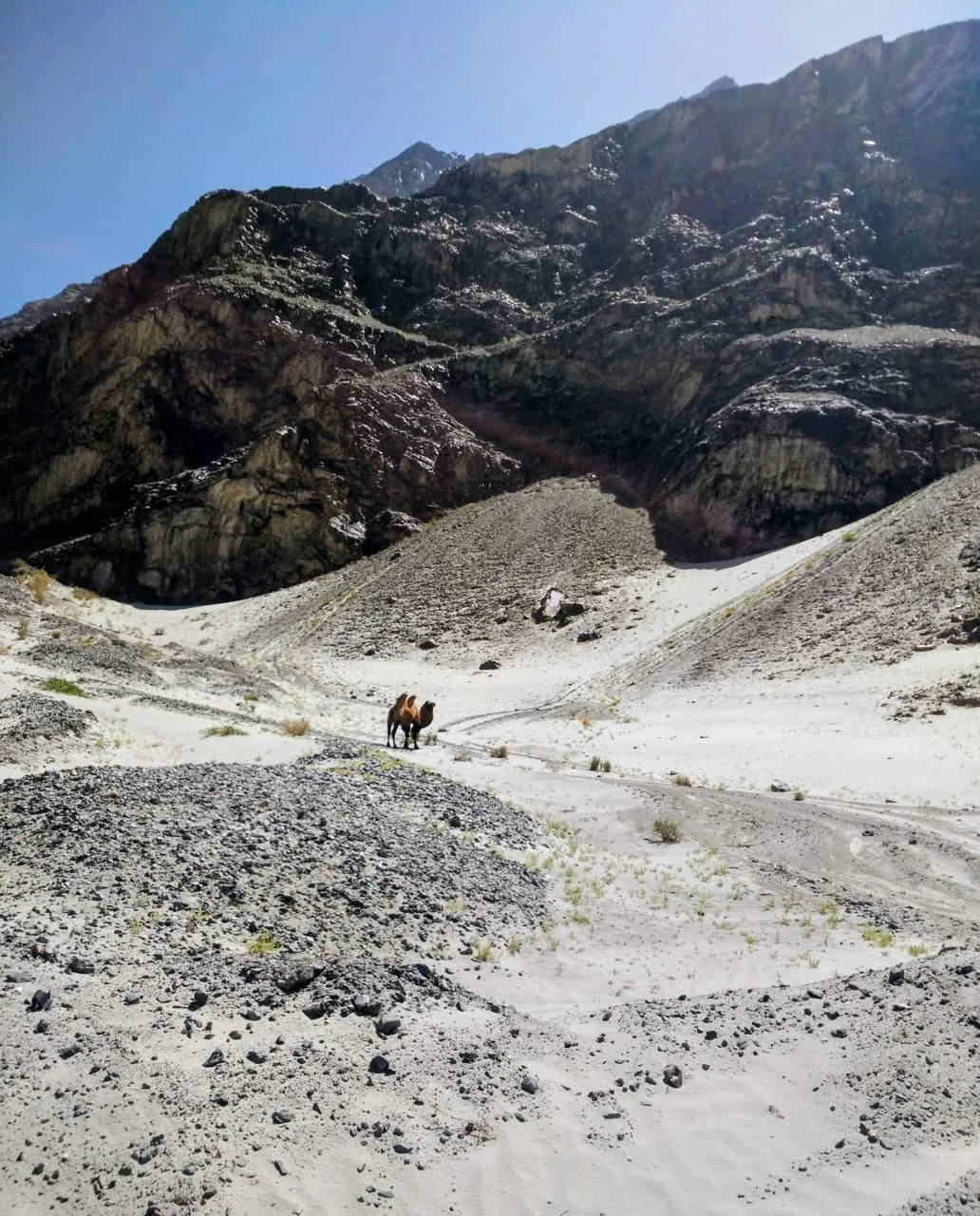
Often called the "Valley of Flowers," Nubra surprises visitors with its contrast of barren high-altitude deserts and lush green oases. Home to ancient monasteries, traditional Ladakhi villages, and the famous double-humped Bactrian camels of Hunder, the valley offers a unique blend of natural wonder, cultural heritage, and adventure.
Diskit Monastery
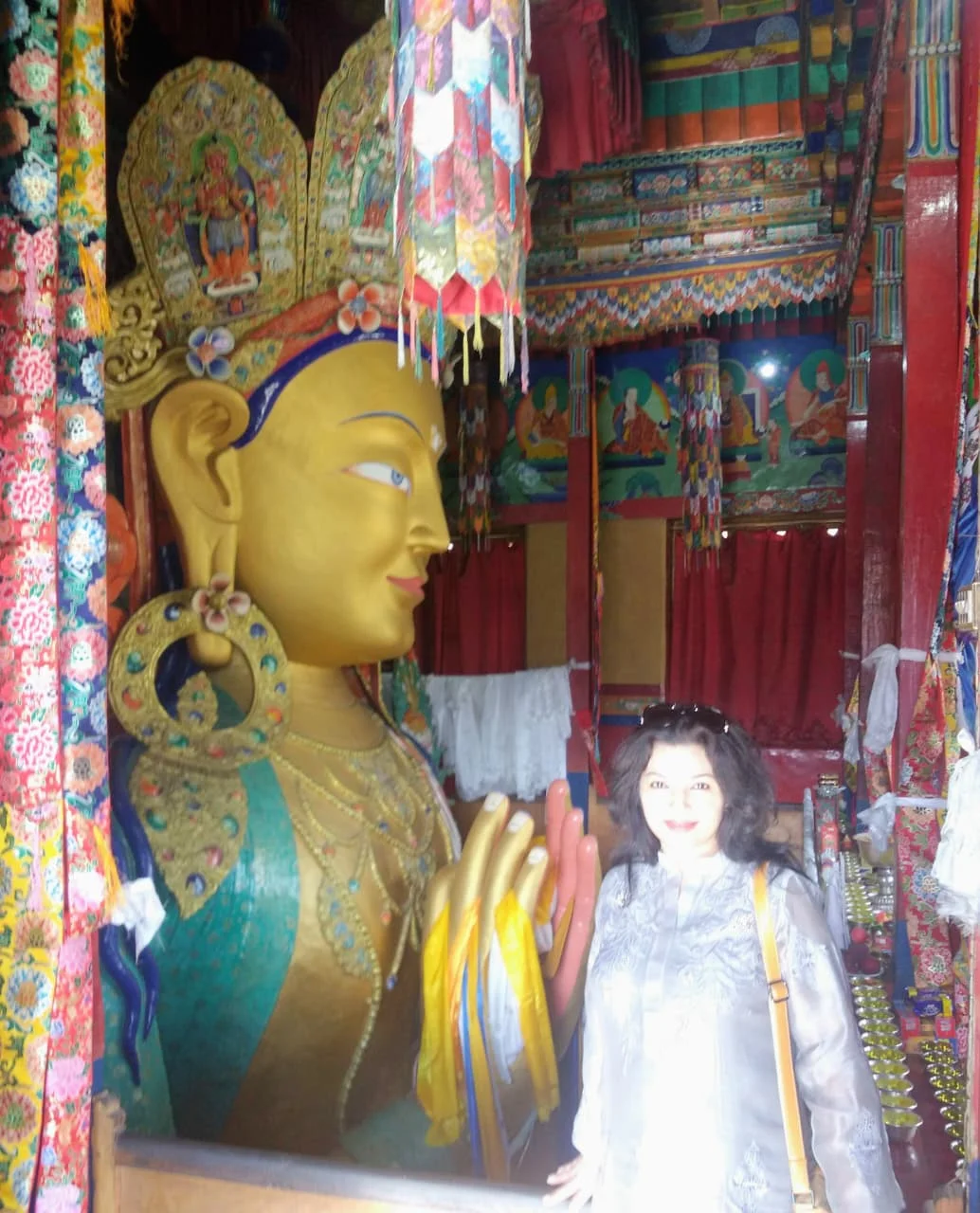
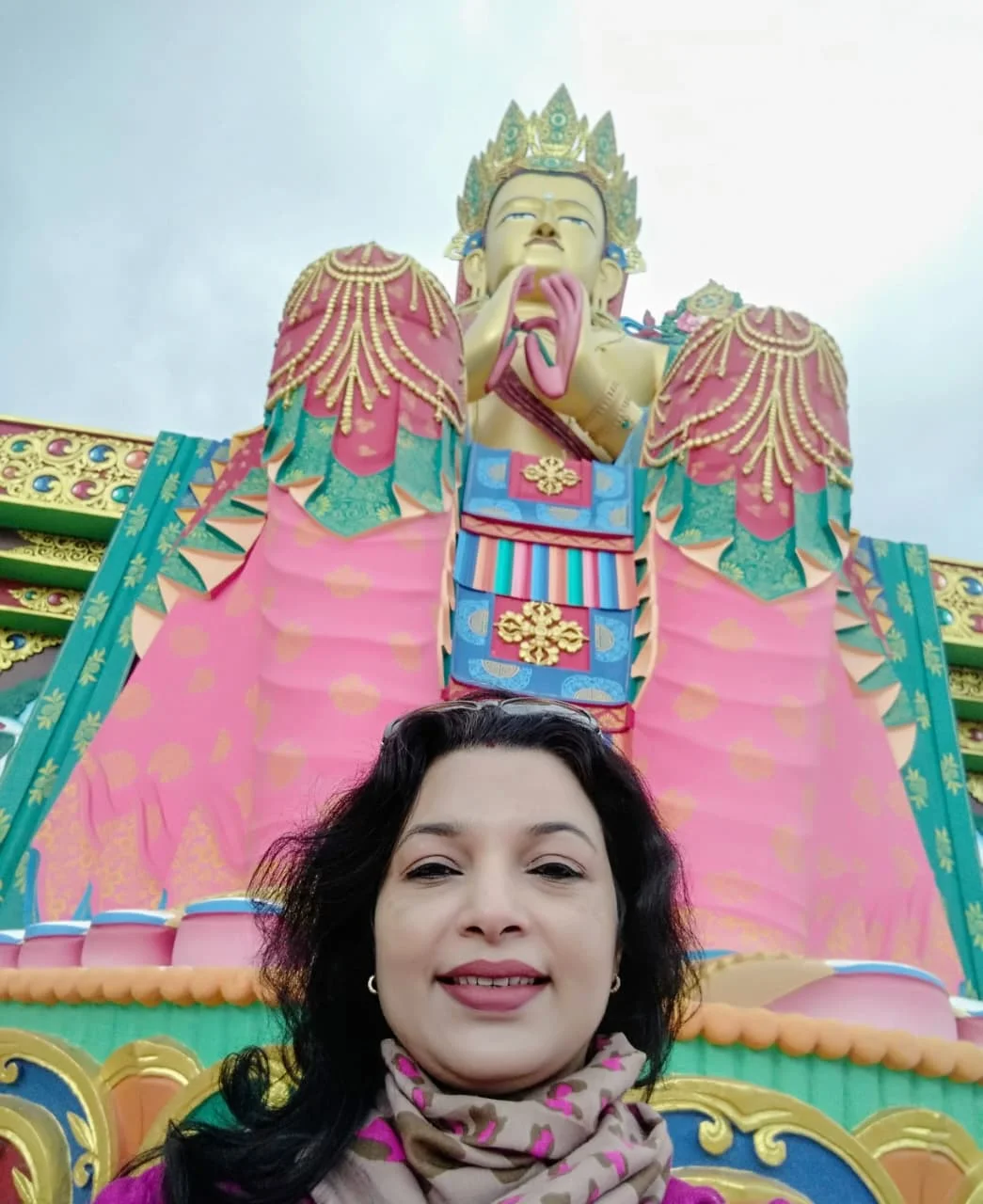
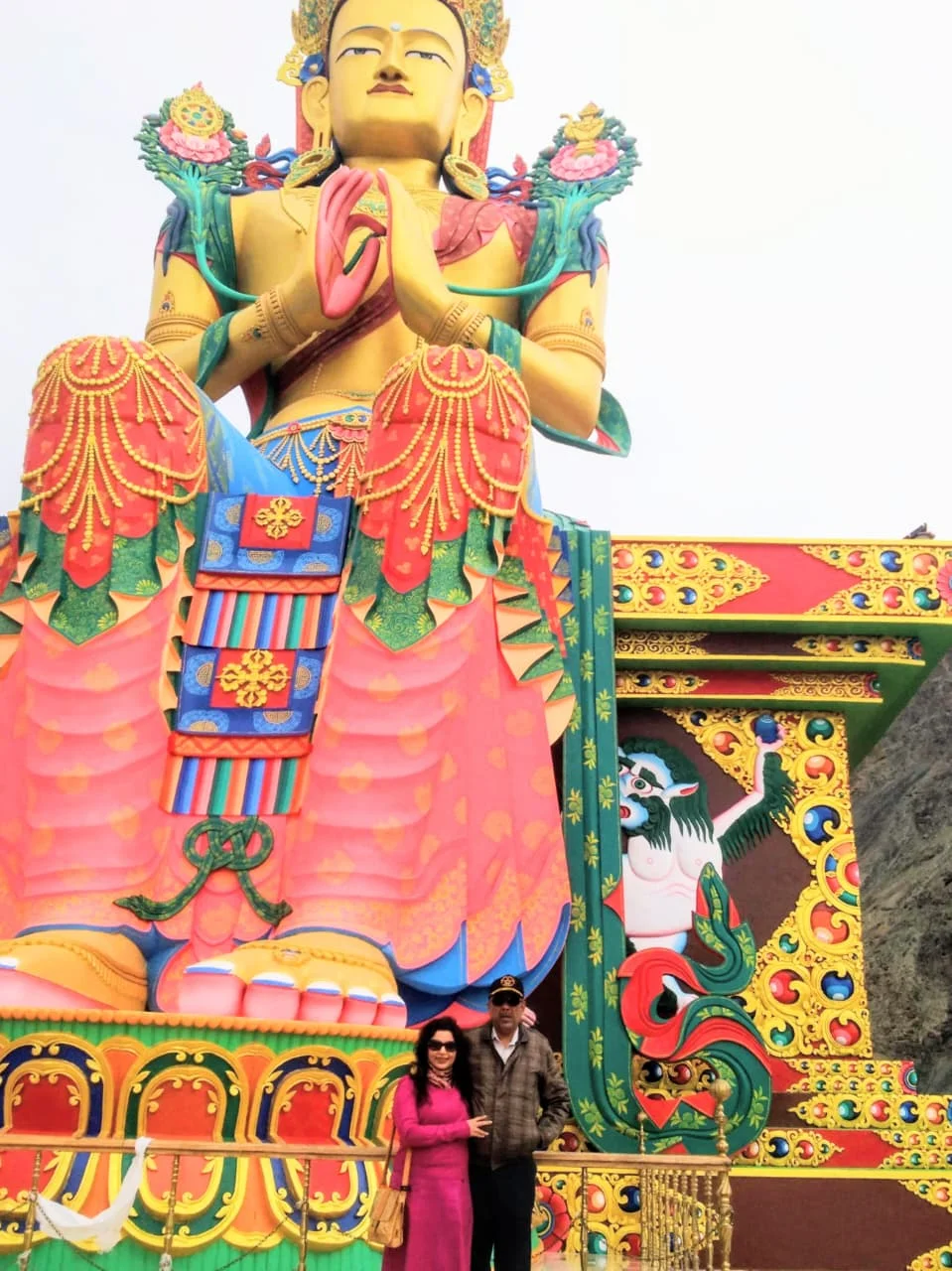
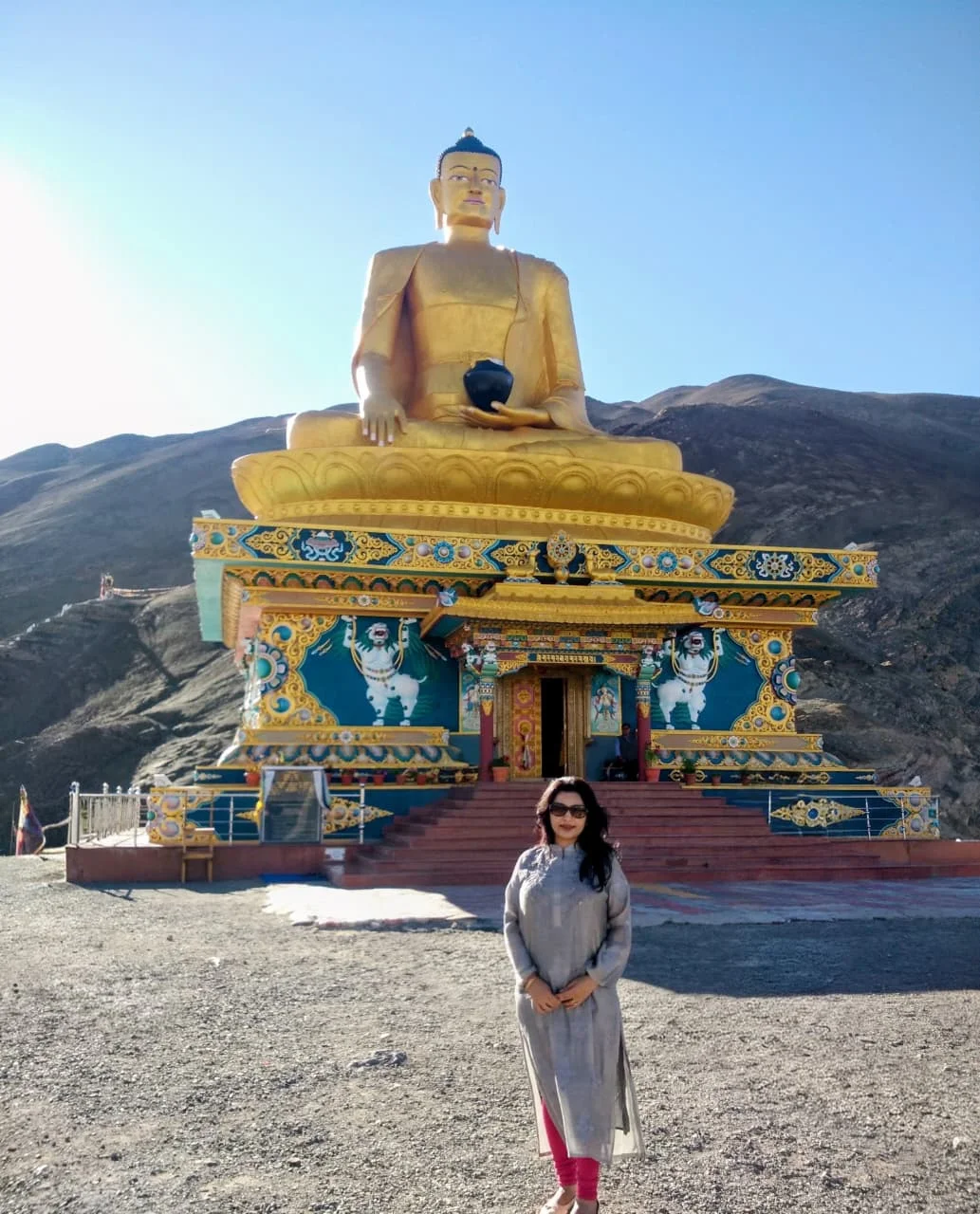
We halted at Diskit Monastery for about an hour and found it to be one of the most peaceful places in Nubra Valley. The magnificent Maitreya Buddha statue dominates the landscape, while the monastery itself offers stunning views of the valley, the Shyok River, and the surrounding mountains. Sitting quietly and taking in the scenery, we could feel the calm spiritual atmosphere that makes Diskit such a special place to visit.
Three Nights at Hunder
Our journey to Turtuk began from Leh, crossing the spectacular Khardung La and passing through the dramatic landscapes of Nubra Valley. We used Hunder as our base and stayed there for three nights, allowing us to explore the region at a relaxed pace. From Hunder, we made a memorable excursion to Turtuk, one of India's northernmost villages and a unique window into Balti culture.
Ladakhi Cultural Program
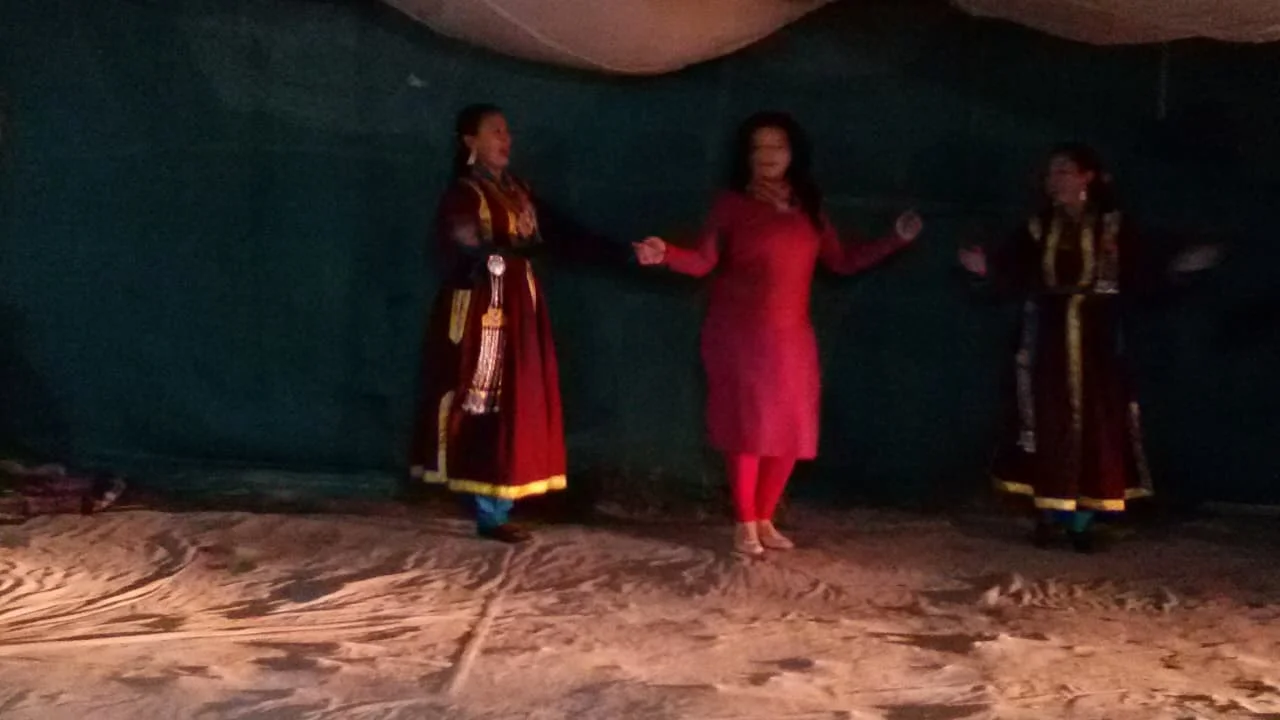
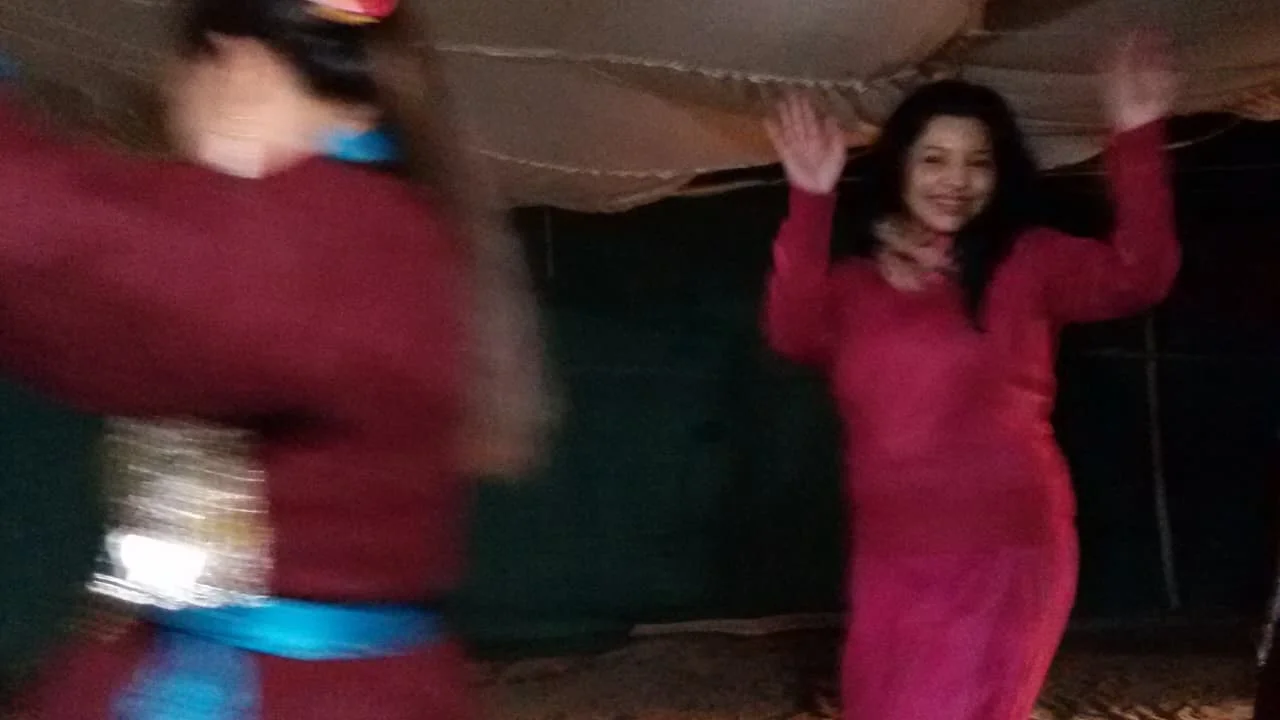
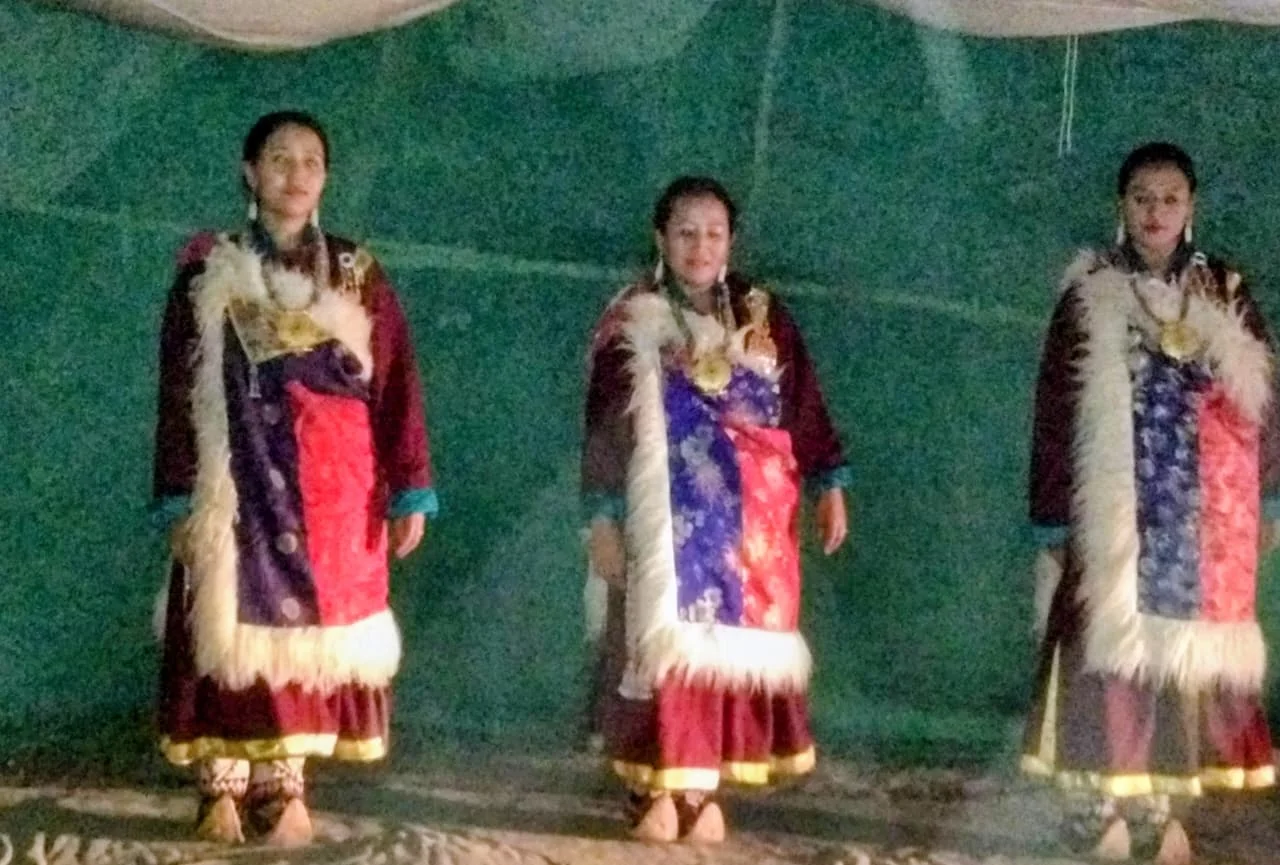
In the evening, we attended a traditional Ladakhi cultural programme featuring colourful costumes, lively music, and folk dances. The highlight was being invited to join the dancers on stage. Participating alongside the local performers was great fun and provided a wonderful opportunity to experience Ladakhi culture firsthand.
Turtuk – Ladakh's Hidden Gem
Turtuk is a beautiful Balti village in the Nubra region of Ladakh, about 205 km from Leh on the banks of the Shyok River. It lies close to the India–Pakistan border and is one of the few places in India where the unique Balti culture survives.
Why Turtuk is Special
What to See
A Walk Through Turtuk
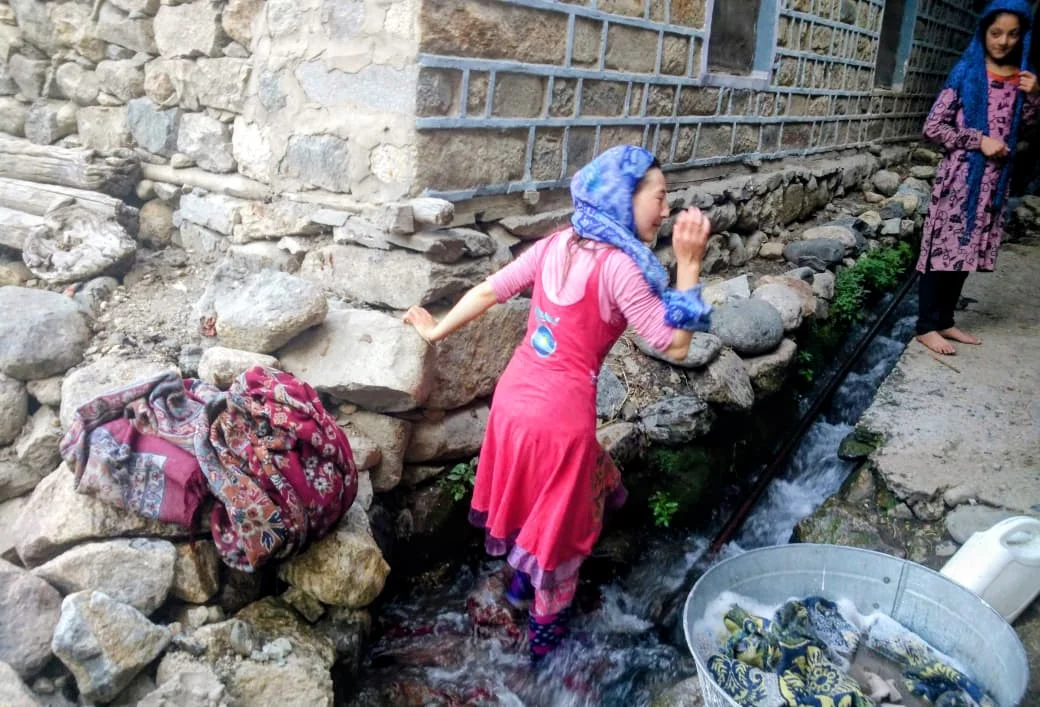
Walking through the narrow lanes of Turtuk was one of the highlights of our visit. We saw local women washing clothes in a stream, offering a glimpse into the village's simple way of life. The villagers looked at us with curious eyes, and the peaceful atmosphere made the walk a memorable experience.
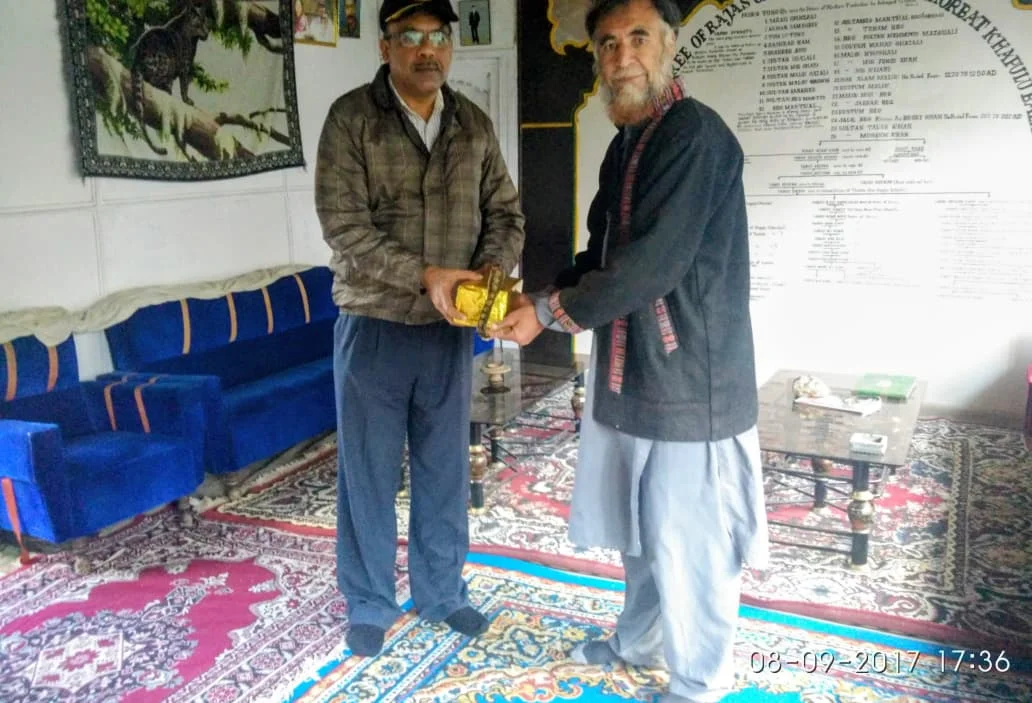
Outside the Turtuk Palace: Meeting the Raja
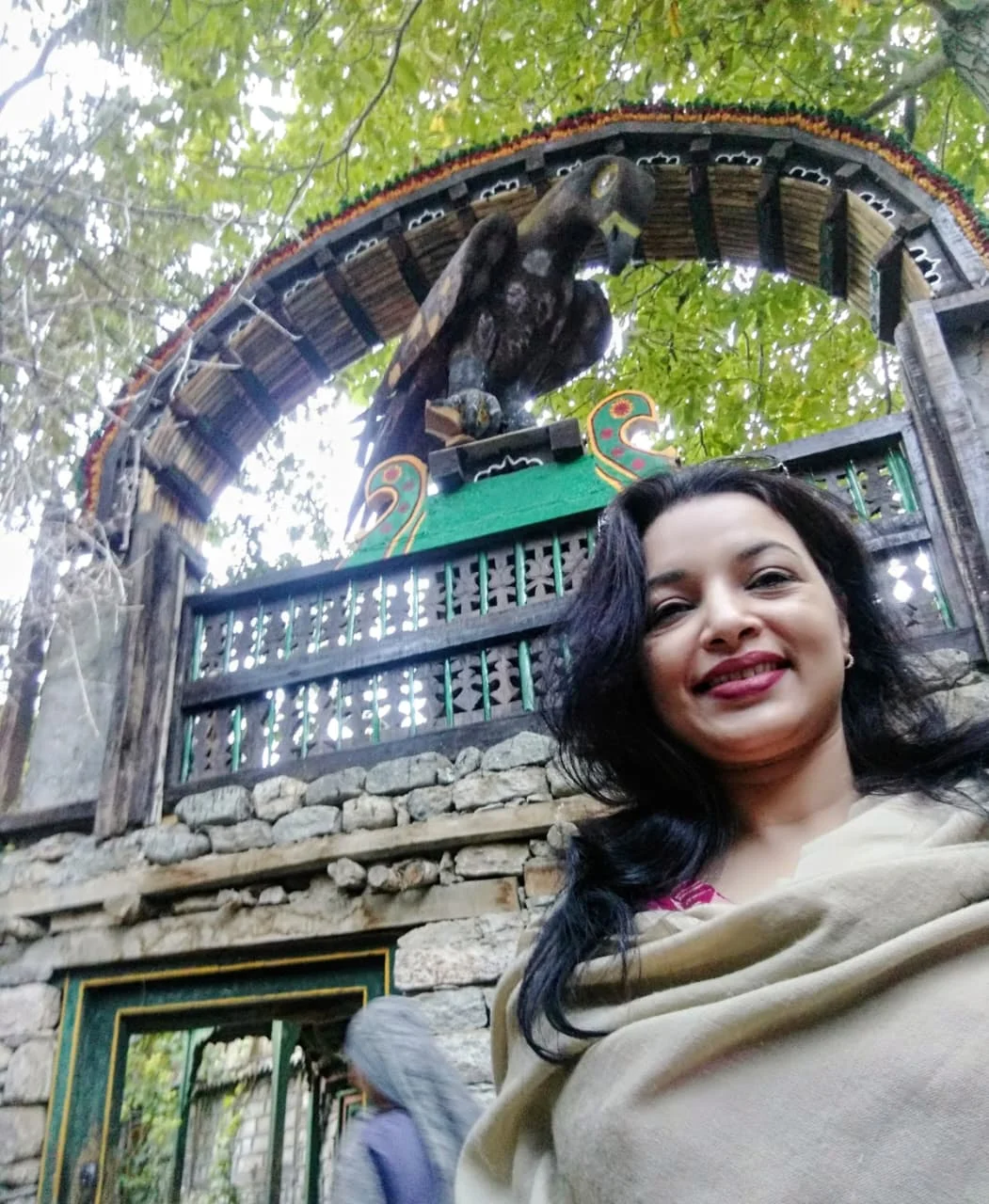
A memorable part of our visit was meeting Raja Yabgo Mohammad Khan Kacho, a descendant of the historic Yabgo Dynasty. He warmly shared stories of Turtuk's royal heritage and Balti culture.
We exchanged gifts and enjoyed a fascinating conversation, making it one of the most special experiences of our journey. The meeting offered a rare glimpse into the history of a royal family whose roots stretch back centuries in Baltistan.
Enjoyed Eating Thukpa and Momo
As the people of Baltistan trace their roots to Tibetan settlers who migrated centuries ago and gradually embraced Islam, their culture still retains many Tibetan influences. During our stay we enjoyed traditional Thukpa and Momo.
Butter Tea is another famous local specialty made with tea, salt and butter. Visitors may wish to try it, though it is an acquired taste.
Turtuk Mentioned in Mission: Impossible – Fallout
Few visitors realize that Turtuk earned a place in Hollywood when its name was mentioned in Mission: Impossible – Fallout. Although the movie was not filmed here, the village became part of the storyline.
Tips for Visiting Turtuk
Back to Leh
After our memorable stay in Turtuk, we drove back through Nubra Valley to Leh, enjoying the spectacular landscapes one last time. We spent another day in Leh before our return flight to Delhi.
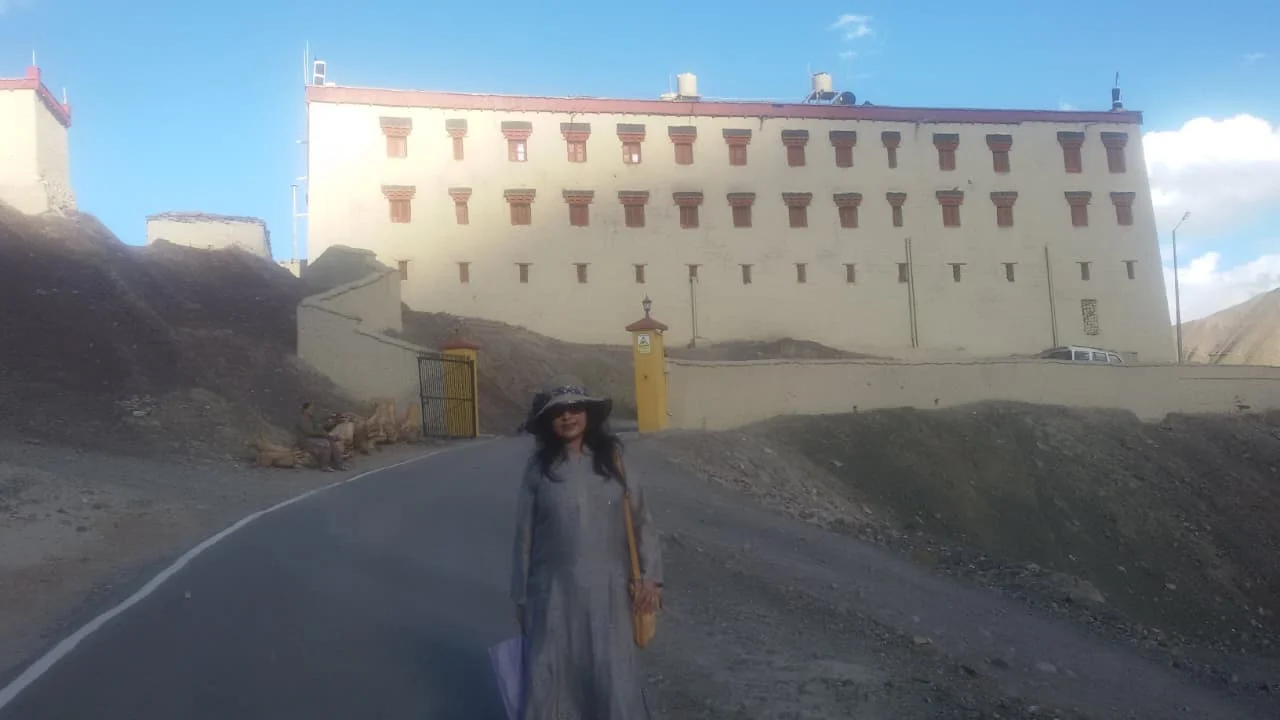
One highlight was visiting Stok Palace, the former residence of Ladakh's royal family. The palace offered fascinating royal artifacts, beautiful architecture and magnificent mountain views, providing a perfect conclusion to our Ladakh journey.
Continue The Journey
Explore the silence of the North and other regional perspectives.
BACK TO WHISPERS OF INDIA