❖WEST❖

Feel like a Maharaja or Maharani in palace complex Udaipur

If there is one place in India that can, without any doubt, make you feel like a Maharaja or Maharani, it is the palace complex of Udaipur. So vast and rich in history is this royal enclave that one could easily spend several days wandering through its courtyards, museums, terraces, and palaces, soaking in the grandeur of Rajasthan's most celebrated royal city.
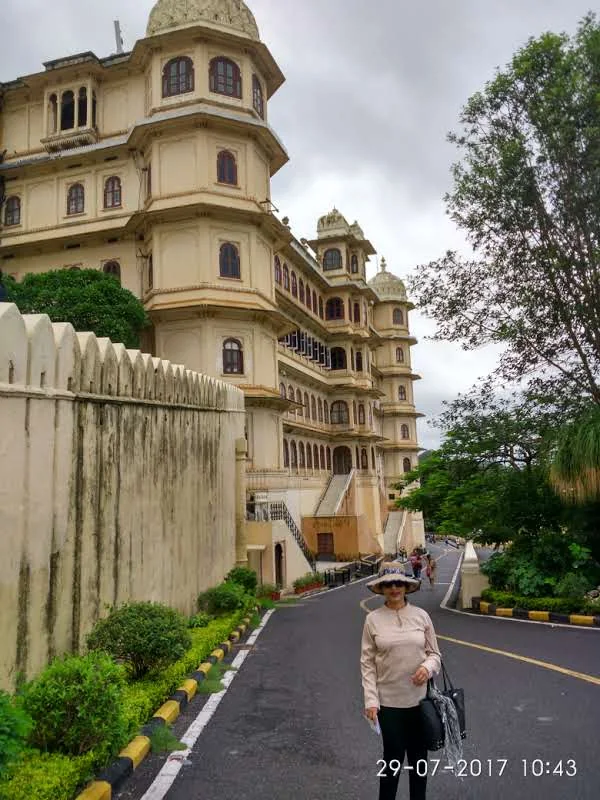
High-resolution editorial photograph of the magnificent Udaipur City Palace complex in Rajasthan with yellow sandstone towers and ornate chhatris
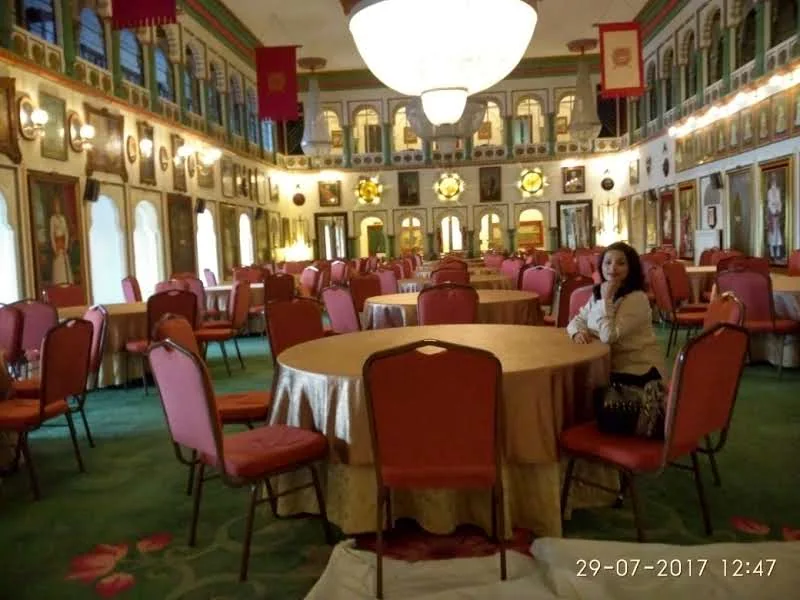
Grand interior of Durbar Hall at Fateh Prakash Palace showing crystal chandeliers, royal portraits, and red velvet seating
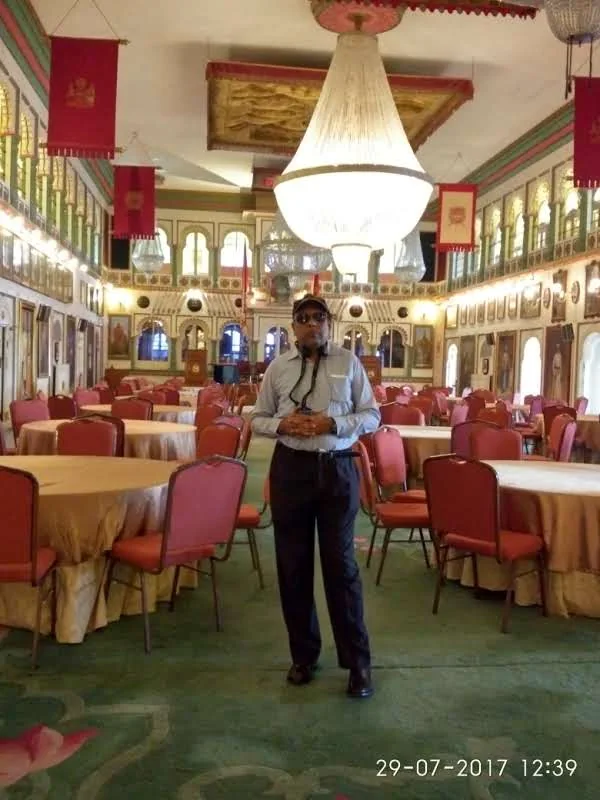
Massive central crystal chandelier suspended from the high ceiling of Durbar Hall in Udaipur City Palace
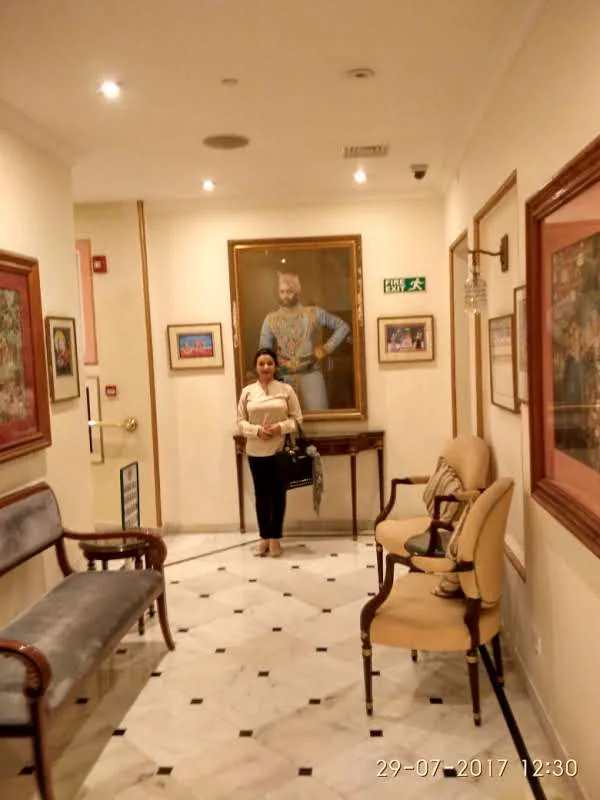
Luxury heritage corridor at Fateh Prakash Palace displaying oil portraits of Mewar Maharanas
ROYAL HERITAGE OF RAJASTHAN

Living the Maharaja's Dream

If there is one place in India that can, without any doubt, make you feel like a Maharaja or Maharani, it is the palace complex of Udaipur.

So vast and rich in history is this royal enclave that one could easily spend several days wandering through its courtyards, museums, terraces, and palaces, soaking in the grandeur of Rajasthan's most celebrated royal city.
PALACE COMPLEX

The Monumental City Palace of Mewar

Towering over Lake Pichola, the City Palace of Udaipur is a magnificent fusion of Rajasthani and Mughal architecture. Built over a period of nearly 400 years by successive Maharanas of Mewar, it stands as the largest palace complex in Rajasthan.

Wandering through its maze of granite and marble halls, intricate peacock mosaics, and open-air courtyards, every step reveals stories of royal valor, architectural mastery, and imperial elegance.

High-resolution photograph of Udaipur City Palace yellow sandstone facade
ROYAL ARCHITECTURE

Largest palace complex in Rajasthan

Perched majestically above Lake Pichola, the magnificent City Palace Udaipur is the crown jewel of Udaipur and one of the largest palace complexes in Rajasthan.

Founded by Maharana Udai Singh II in 1559 and expanded by successive rulers of the Mewar dynasty over nearly four centuries, the palace is a fascinating blend of Rajput, Mughal, European, and Chinese architectural influences. Its marble balconies, ornate courtyards, mirror-work halls, and intricately decorated chambers reflect the grandeur and artistic excellence of royal Mewar.
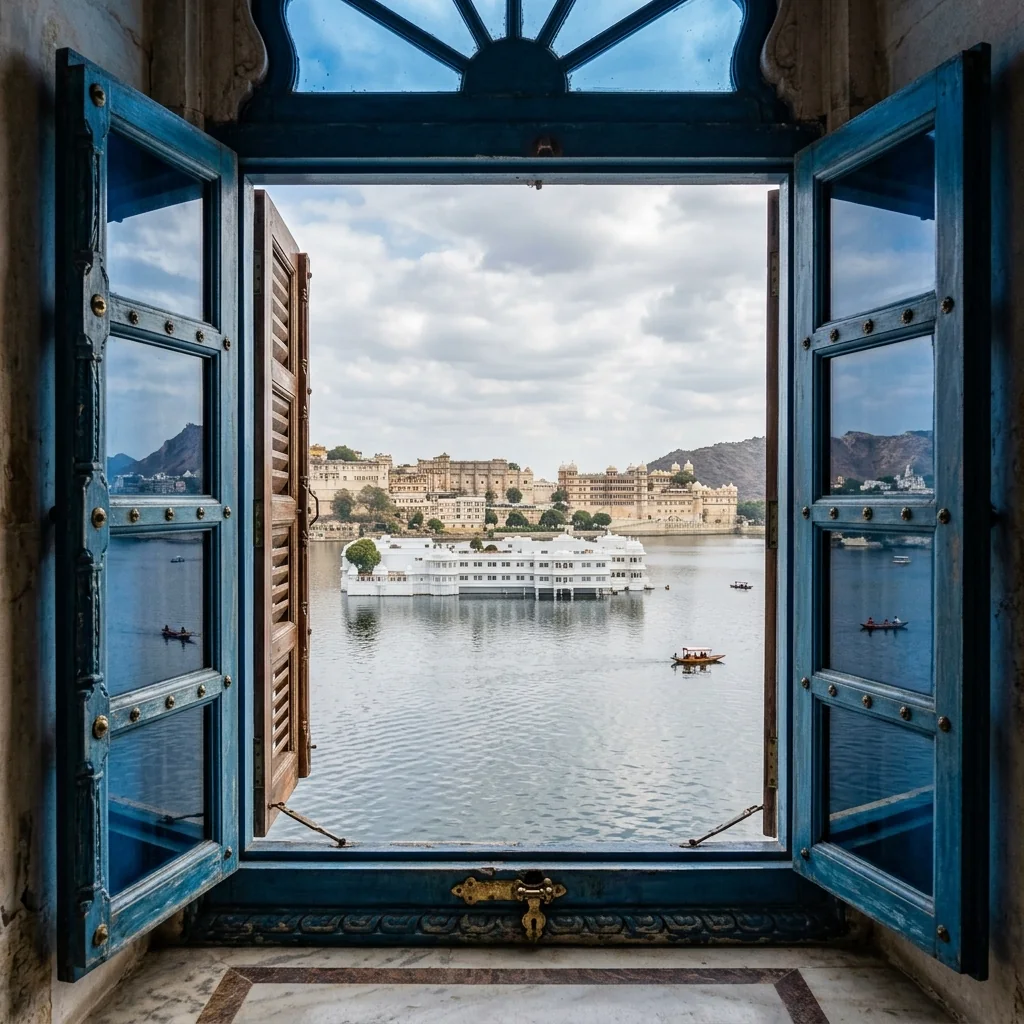
Serene view of Lake Pichola and the floating white Lake Palace framed through a blue-tinted palace window at Udaipur City Palace
ROYAL LEGACY

Mewar's Royal heritage

Today, the City Palace remains a living symbol of Mewar's royal heritage. Parts of the complex continue to be associated with the royal family, while its museums preserve priceless artifacts, paintings, weapons, and royal memorabilia that bring centuries of Rajput history to life.

A visit here is not merely sightseeingβ€”it is a journey into the glorious legacy of Rajasthan's warrior kings.
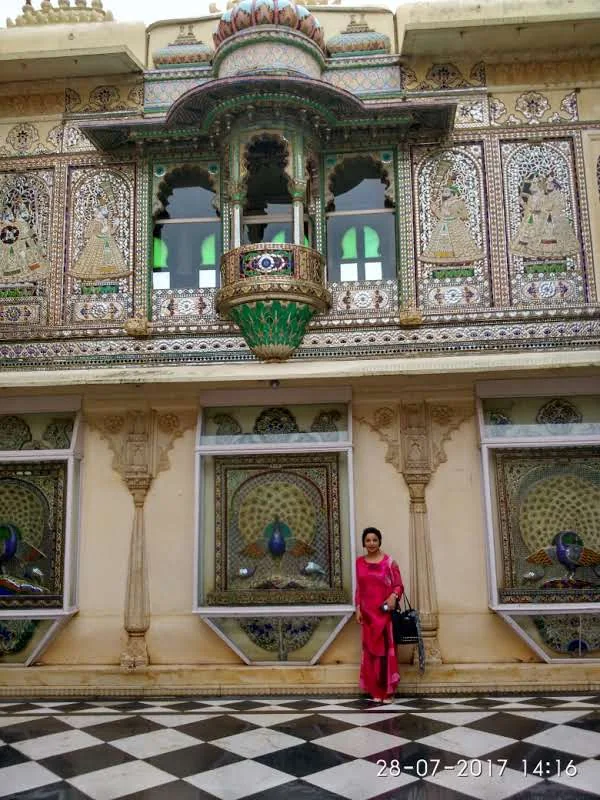
Intricate peacock glass mosaic inlays and mirror-work balconies at Mor Chowk inside Udaipur City Palace
COURTYARD ARCHITECTURE

Mor Chowk & Badi Mahal Courtyards

Mor Chowk (Peacock Courtyard) and Badi Mahal (Garden Palace) are integral parts of the City Palace enclave.

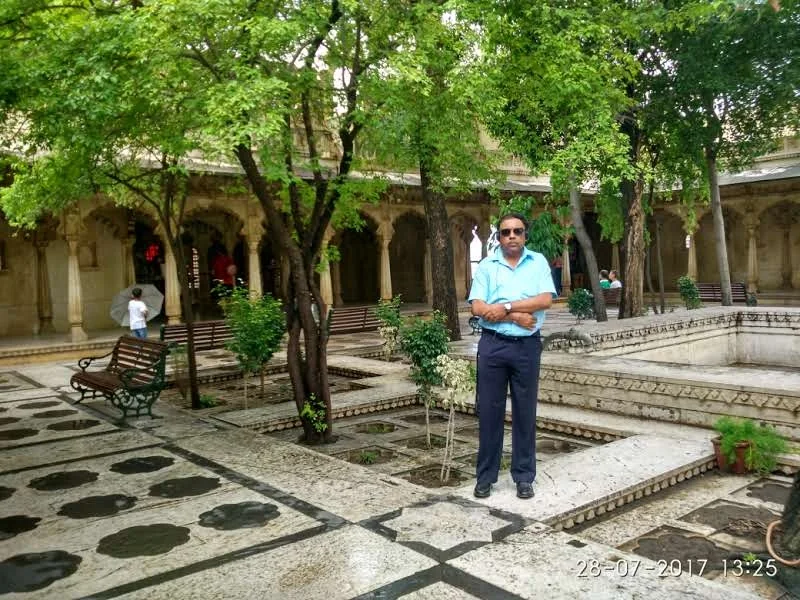
Badi Mahal sits on a natural 90-foot high rock formation inside the palace, featuring a tranquil garden courtyard supported by marble pillars, shaded by mature trees, and surrounded by royal balconies.
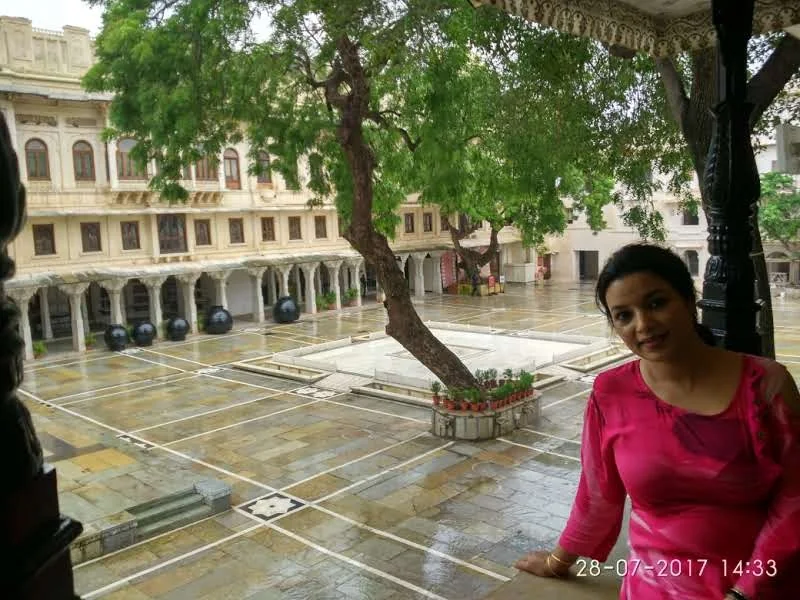
Shaded garden courtyard and marble pillars of Badi Mahal within the City Palace of Udaipur, Rajasthan
MIRROR PALACE

Sheesh Mahal – The Hall of Mirrors

Inside the heart of the City Palace lies the shimmering Sheesh Mahal (Mirror Palace), built by Maharana Tana Singh in 1716 for his queen Maharani Inku Kanwar.

Adorned with intricate green and crimson Belgian glass panels, delicate convex mirror mosaics, and ornate royal alcoves, the chamber radiates brilliant reflections under candlelight, embodying the romantic luxury of royal Mewar.
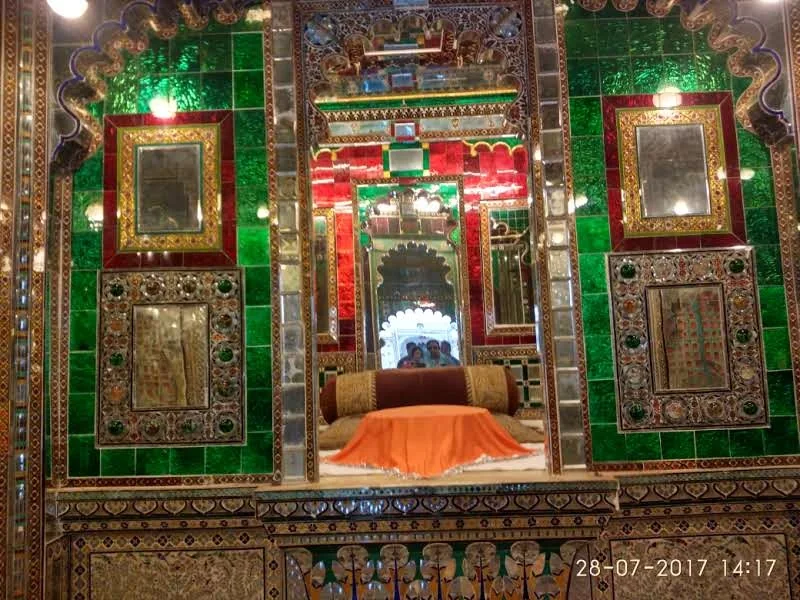
Intricate green and red Belgian glass inlay panels and mirror work inside Sheesh Mahal at Udaipur City Palace
GARDEN PALACE

Badi Mahal – The Garden Palace Museum

Badi Mahal (Garden Palace), built during the 17th century by Maharana Amar Singh II, is one of the most remarkable architectural feats of the City Palace Museum in Udaipur.

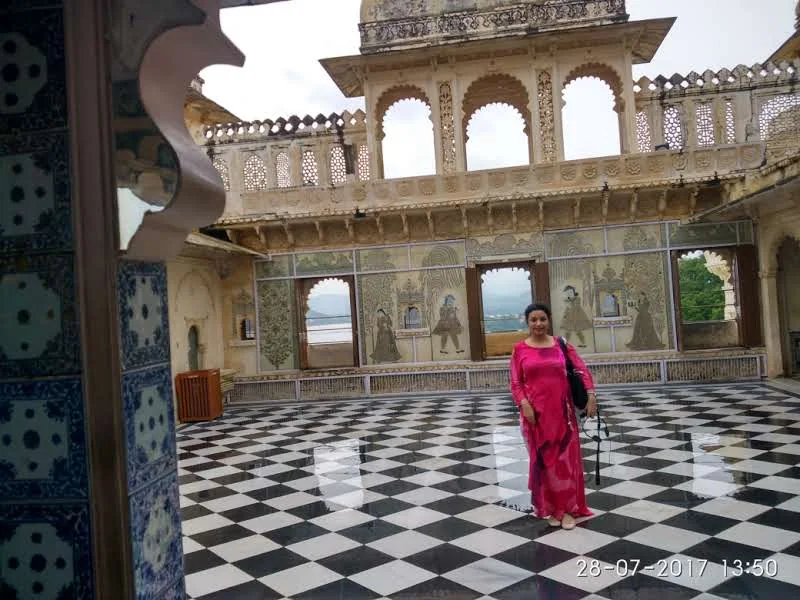
Constructed on a natural 90-foot high rock formation inside the palace, it houses a tranquil marble fountain pool surrounded by carved pillars and red stained-glass windows, alongside a magnificent open terrace adorned with historical Mewari murals, blue ceramic tiles, and panoramic views of Lake Pichola.
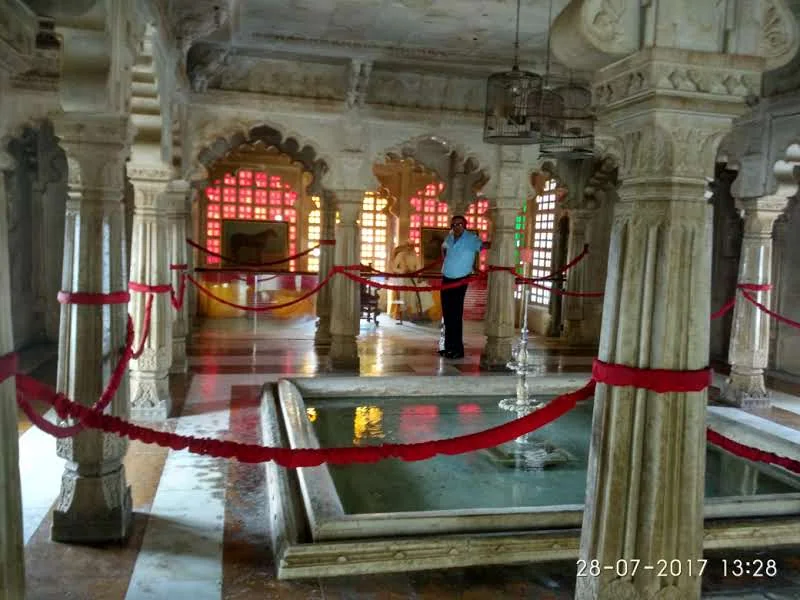
Marble fountain pool with carved pillars and red stained-glass windows inside Badi Mahal at Udaipur City Palace Museum
Open marble terrace with checkered floor, blue ceramic tiles, and historic mural paintings at Badi Mahal
SOLAR EMBLEM & ROYAL CHAMBERS

Golden Sun God (Surya) & Glass Inlay Chambers

The Suryavanshi Maharanas of Mewar claim direct descent from Surya (the Sun God). The majestic Golden Sun God emblem at Surya Chopar inside the City Palace served as a sacred morning focal point where Maharanas offered prayers before breaking their fast.

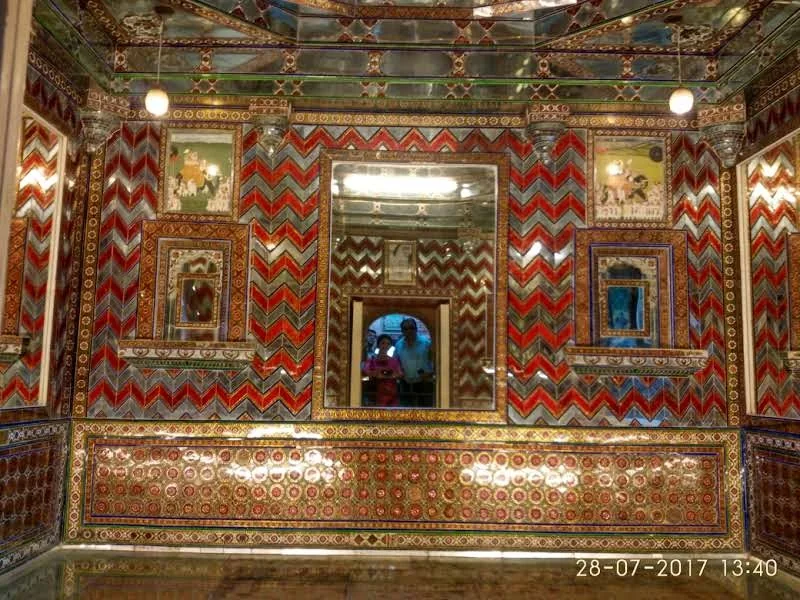
Flanking the solar court are exquisite chambers like Kanch ki Burj, featuring vibrant red and silver chevron glass mosaics, and serene inner garden courtyards shaded by mature neem trees.
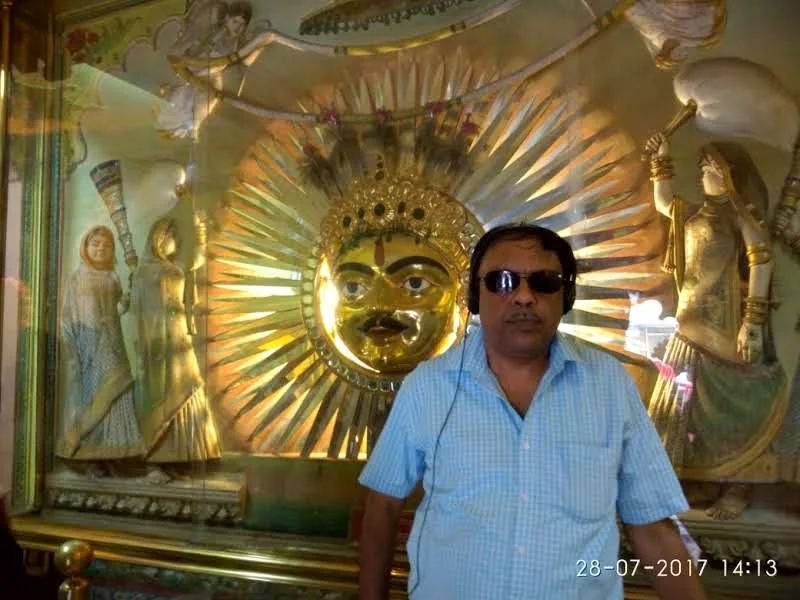
Golden Sun God Surya emblem with radiant golden rays and royal attendants at Surya Chopar in Udaipur City Palace
Ornate Kanch ki Burj glass mosaic chamber with red and silver chevron mirror patterns and royal miniature portraits
Peaceful shaded palace garden courtyard surrounded by stone paving and marble fountains

A glimpse into the regal past of Mewar's glorious heritage.

ROYAL AUDIENCE HALL

Durbar Hall – Grandeur of Fateh Prakash Palace

Located in the magnificent Fateh Prakash Palace within the City Palace complex, Durbar Hall is one of the grandest royal audience halls in India.

Laid out in 1909 by Maharana Fateh Singh during the visit of Viceroy Lord Minto (initially named Minto Hall), it boasts colossal Osler crystal chandeliers, historical royal weapons on display, oil portraits of Mewar's Maharanas, and plush velvet seating under ornate upper viewing galleries.

Grand interior of Durbar Hall at Fateh Prakash Palace showing crystal chandeliers, royal portraits, and red velvet seating
Massive central crystal chandelier suspended from the high ceiling of Durbar Hall in Udaipur City Palace
Luxury heritage gallery corridor at Fateh Prakash Palace displaying oil portraits of Mewar Maharanas and classic seating

A glimpse into the regal past of Mewar's glorious heritage.

ISLAND PALACE ON LAKE PICHOLA

Jag Mandir Palace – The Lake Garden Island

Jag Mandir Palace, also known as the 'Lake Garden Palace', is a majestic 17th-century island sanctuary floating serenely upon the waters of Lake Pichola in Udaipur.

Construction began under Maharana Karan Singh II in 1620 and was completed by Maharana Jagat Singh I in 1652. The island is renowned for its grand stone elephants guarding the water entrance, intricate white marble pavilions, and stunning panoramic views of the surrounding lake and Aravalli hills.
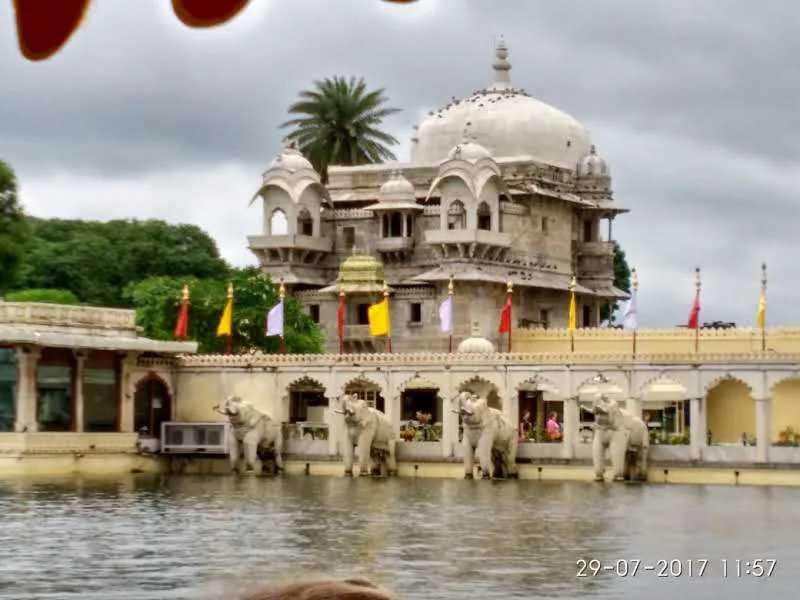
White marble elephant sculptures guarding the water entrance ghat of Jag Mandir Palace on Lake Pichola
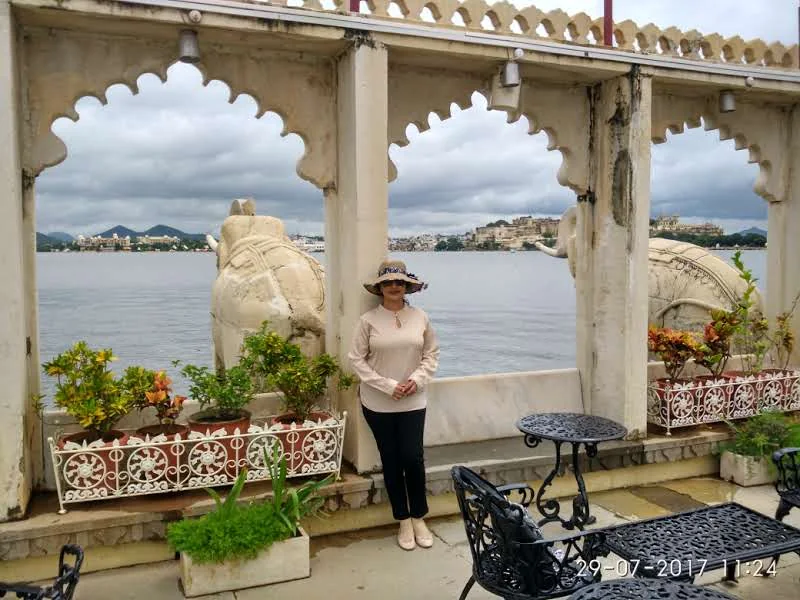
Arched marble balcony with stone elephant statues overlooking the waters of Lake Pichola at Jag Mandir
ISLAND GARDENS & ARCHITECTURE

Gardens, Pavilions & Lake Panoramas of Jag Mandir

The island grounds of Jag Mandir feature Gul Mahal, a domed marble pavilion that once sheltered Prince Khurram (later Emperor Shah Jahan), alongside carved Chhatris, manicured floral walkways, and open lakefront courtyards.
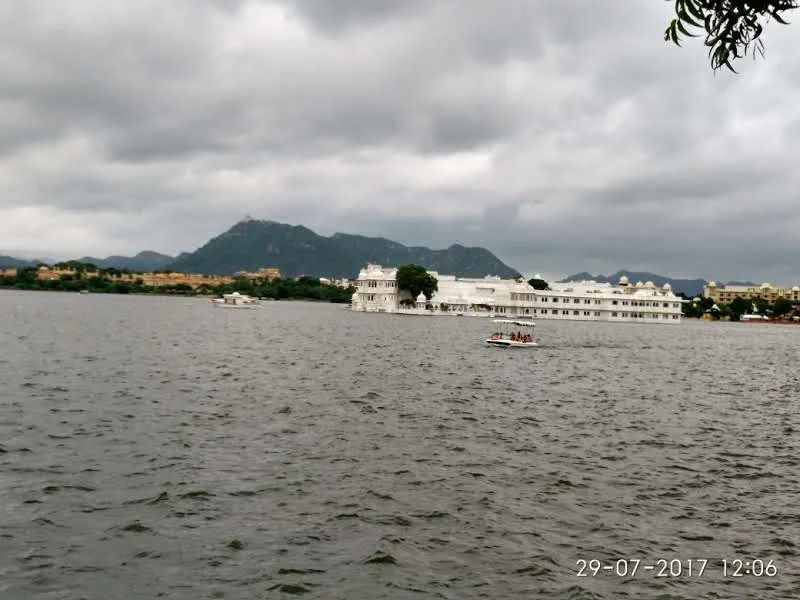
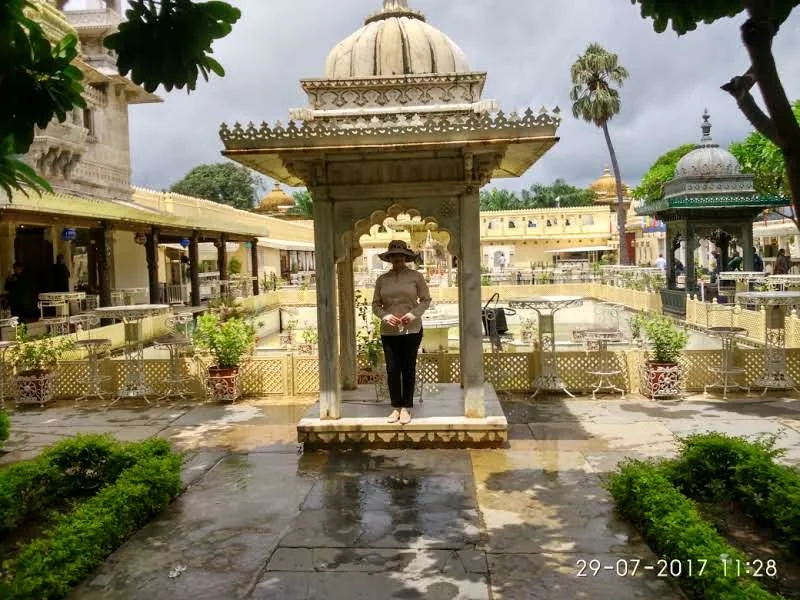
Panoramic view from Jag Mandir Palace floating on Lake Pichola under dramatic Aravalli mountain ranges
White marble Chhatri pavilion in the lush inner garden courtyard of Jag Mandir Palace
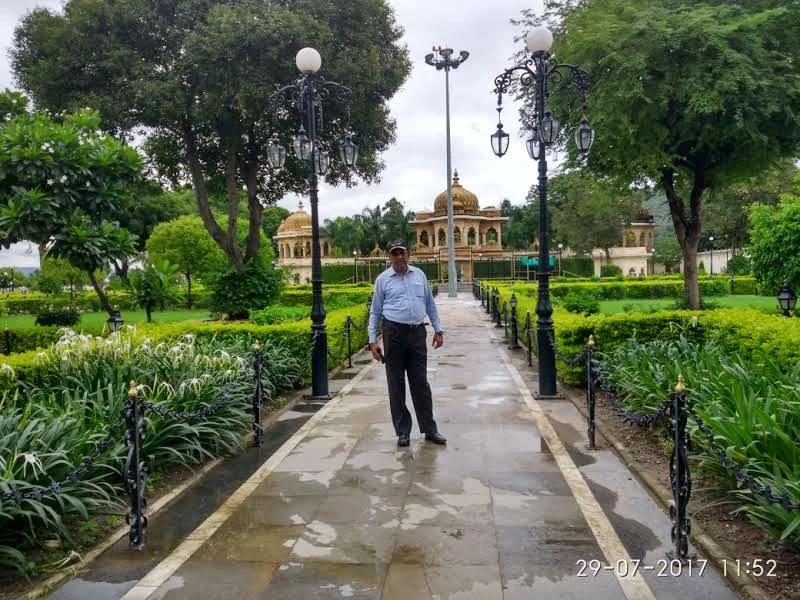
Paved garden walkway path lined with classic lamp posts and manicured hedges leading towards Jag Mandir pavilions

A glimpse into the regal past of Mewar's glorious heritage.

SACRED SHRINE OF UDAIPUR

Ambamata Temple – Sacred Hilltop Sanctuary

Located in the historic Ambamata neighborhood of Udaipur, the Ambamata Temple is one of the city's most revered Hindu pilgrimage sites, constructed during the 17th century under Maharana Raj Singh I.

According to legend, Maharana Raj Singh was cured of a severe chest ailment after being instructed in a dream to visit the Ambaji shrine in Gujarat; he subsequently constructed this grand temple in Udaipur with white marble pillars, vibrant deity sanctums, and sweeping high-vantage views over the lakes.
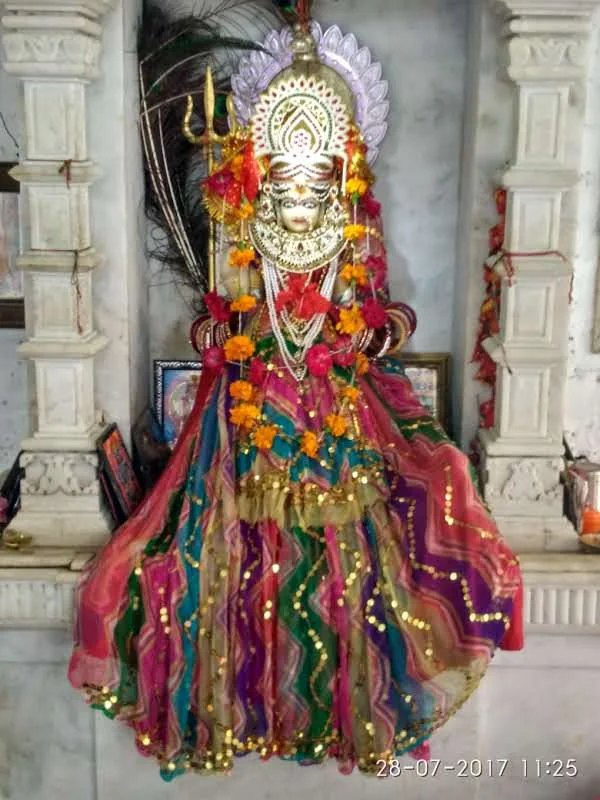
Sacred idol of Goddess Ambamata adorned in vibrant silk attire, gold ornaments, and marigold garlands inside the sanctum sanctorum
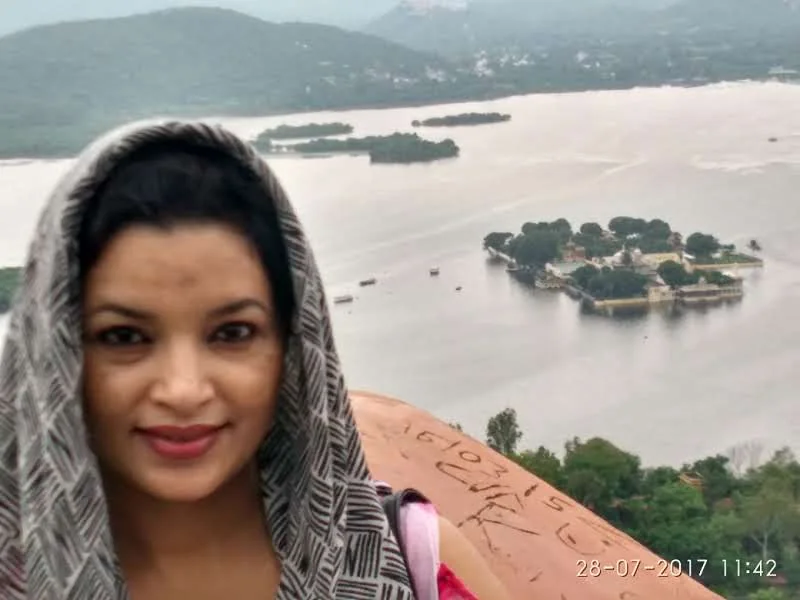
High vantage hill view overlooking the serene waters of Lake Fateh Sagar and Jag Mandir from the temple overlook
ESSENTIAL UDAIPUR ATTRACTIONS

Places to See in Udaipur

βœ“City Palace – The largest palace complex in Rajasthan and the city's main attraction.
βœ“Lake Pichola – Famous for boat rides and stunning sunset views.
βœ“Jag Mandir – Historic island palace in the middle of the lake.
βœ“Taj Lake Palace – Iconic palace hotel appearing to float on Lake Pichola.
βœ“Jagdish Temple – Beautiful 17th-century temple with intricate carvings.
βœ“Bagore Ki Haveli – Known for its evening folk dance and cultural performances.
βœ“Fateh Sagar Lake – Popular for boating and lakeside walks.
βœ“Saheliyon Ki Bari – Elegant garden with fountains and marble pavilions.
βœ“Sajjangarh Palace – Offers panoramic views of Udaipur and its lakes.
βœ“Karni Mata Temple – Reachable by ropeway, with excellent city views.
βœ“Ahar Cenotaphs – Memorials of the rulers of Mewar.
βœ“Shilpgram – A cultural village showcasing traditional Rajasthani arts and crafts.
βœ“Eklingji Temple – One of the most revered Shiva temples in Rajasthan.
βœ“Sahasra Bahu Temple – Ancient temple complex known for exquisite carvings.
BEYOND THE CITY LAKES

Day Trips from Udaipur

βœ“Eklingji Temple (22 km) – One of Rajasthan's most important Shiva temples.
βœ“Sahasra Bahu Temple (23 km) – Beautiful 10th-century temples with intricate carvings.
βœ“Kumbhalgarh Fort (85 km) – Famous for its massive wall, second only to the Great Wall of China in length.
βœ“Ranakpur Jain Temple (95 km) – One of India's most spectacular Jain temples, renowned for its 1,444 uniquely carved pillars.
βœ“Haldighati (40 km) – Site of the famous battle between Maharana Pratap and Akbar.
βœ“Nathdwara (45 km) – Home to the famous Shrinathji Temple.
βœ“Jaisamand Lake (50 km) – Scenic lake surrounded by hills and wildlife.
βœ“Chittorgarh Fort (115 km) – The legendary capital of Mewar and one of India's greatest forts.
EDITORIAL CONCLUSION

Conclusion of a Wonderful Trip

We also took excursions to Nathdwara, Haldighati, Ranakpur Jain Temple, Kumbhalgarh Fort, and Chittorgarh Fort, each offering a fascinating glimpse into the rich history, culture, and heritage of Mewar. In truth, at least a week is needed to do justice to this magnificent region. The evening Light and Sound Show at the City Palace is a must-see, bringing the glorious story of Mewar vividly to life.

Udaipur is, without doubt, a magical cityβ€”one that captivates visitors with its shimmering lakes, majestic palaces, and timeless royal charm. It is a destination that lingers in your heart long after you leave, making it an unforgettable experience. A truly wonderful journey, Udaipur is undoubtedly a destination that deserves a place on every traveller's bucket list.
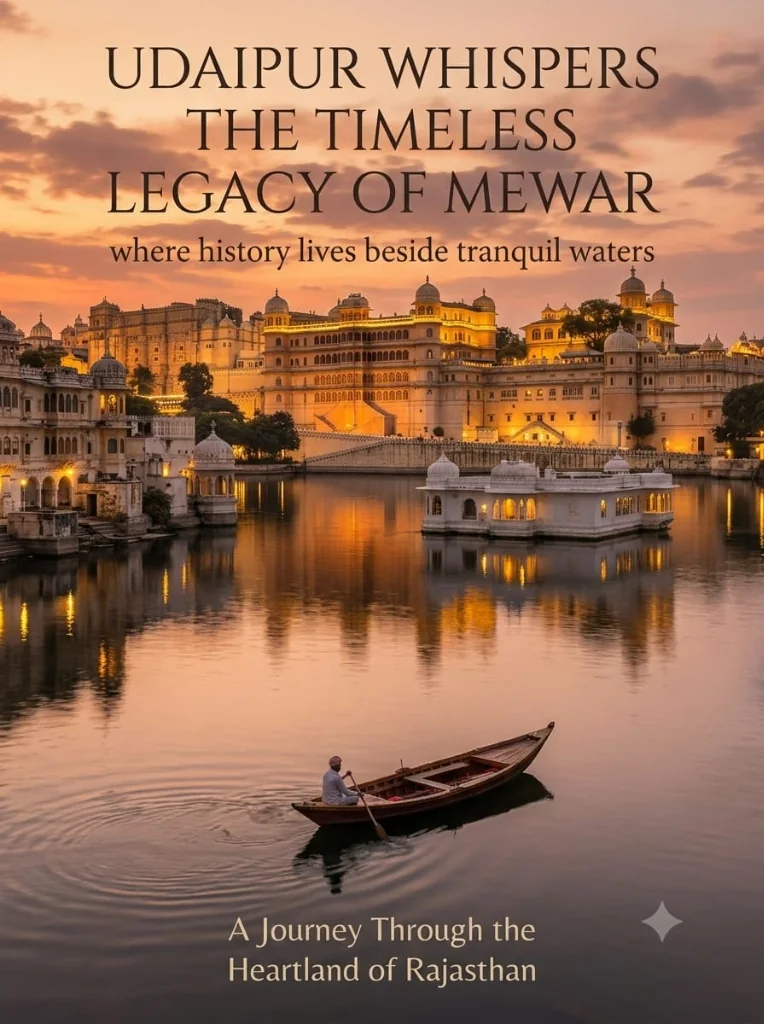
Udaipur Whispers – The Timeless Legacy of Mewar poster depicting Lake Pichola at sunset