Yerevan
ON THE CROSSROADS OF THE SILK ROUTE
Yerevan, in my view, offers a very different but deeply meaningful Silk Route experience compared to the grand trading cities of Central Asia. It was never a dominant Silk Road capital like Samarkand or Bukhara, yet its position at the crossroads of Persia, the Caucasus, Central Asia, and Europe meant that merchants, pilgrims, and travellers still passed through these mountain corridors carrying silk, spices, wine, and ideas over centuries.
What struck me most is that its Silk Route connection feels quieter and more layered—less about monumental caravanserais and more about cultural exchange through landscapes and people.
Mount Ararat
Armenia's Eternal Mountain
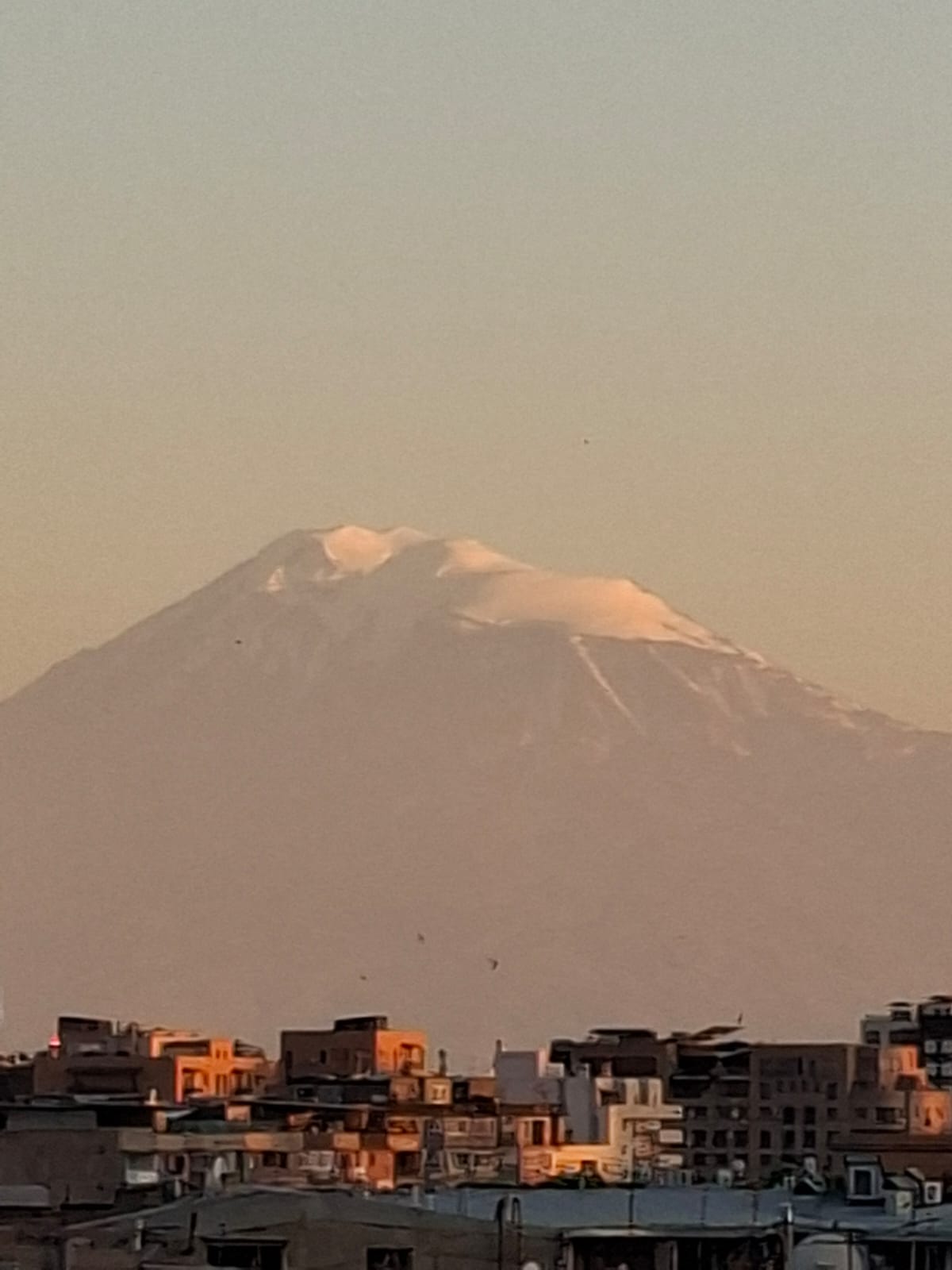
Mount Ararat dominates the skyline of Yerevan despite lying across the modern border in Turkey. Rising 5,137 metres above sea level, it remains Armenia's greatest national symbol and an unforgettable backdrop visible across much of the city.
Personally, we found Yerevan deeply reflective and atmospheric. Its pink tuff-stone architecture, distant snow-covered mountains, and centuries-old churches create a remarkable sense of identity. Unlike the bustling Silk Route cities of Uzbekistan, Yerevan's connection to the ancient trade routes feels quieter and naturally woven into everyday life.
Saint Gregory the Illuminator Cathedral
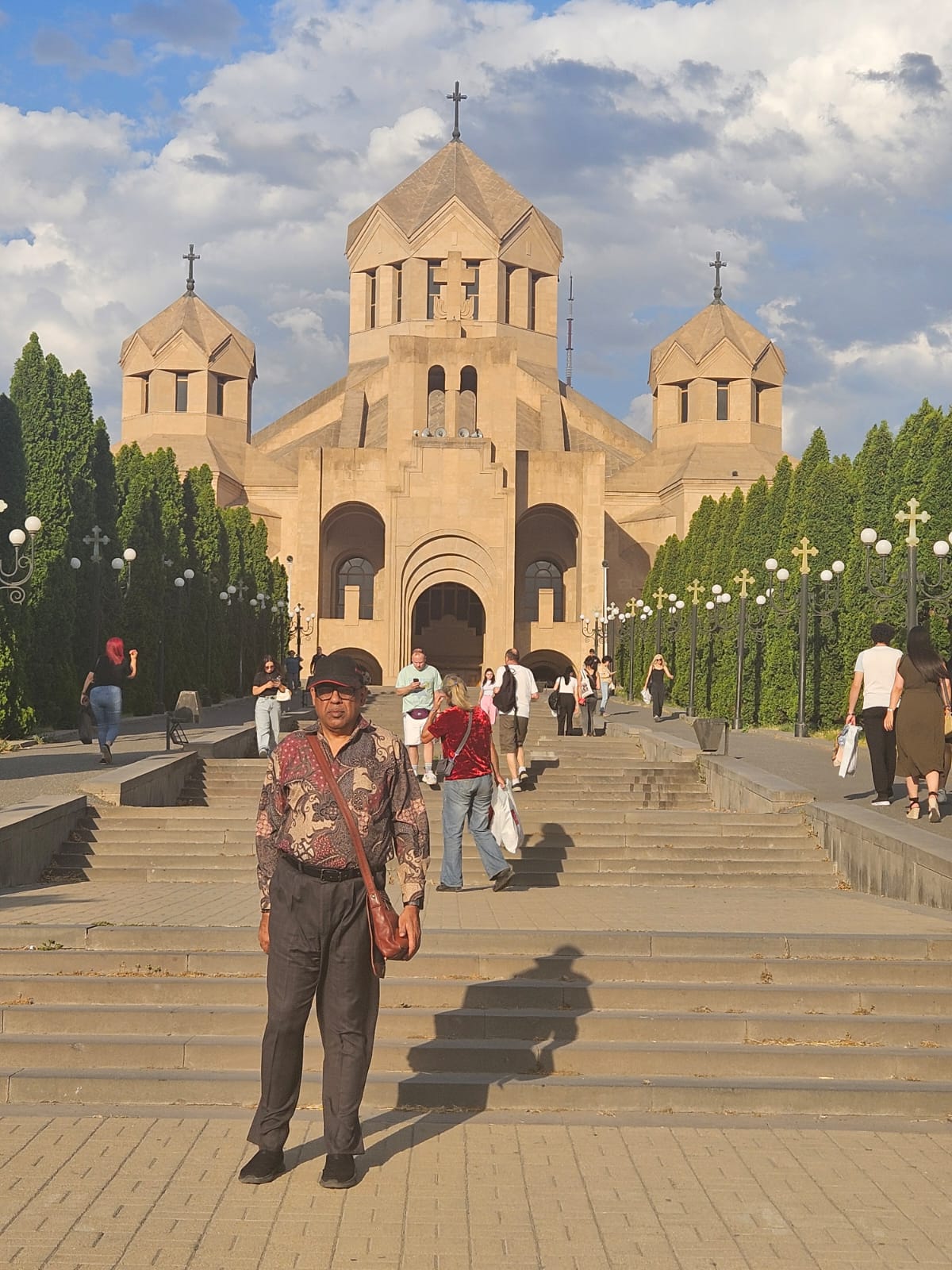
The Saint Gregory the Illuminator Cathedral in Yerevan is, in my personal experience, one of the city's most impressive and spiritually powerful landmarks.
Completed in 2001 to commemorate 1,700 years of Armenia's adoption of Christianity as a state religion, it is the world's largest Armenian Apostolic church and stands as a remarkable symbol of faith, identity, and resilience.
Built from traditional Armenian tufa stone, its strong angular architecture creates an atmosphere that feels both grand and peaceful.
A Personal Moment
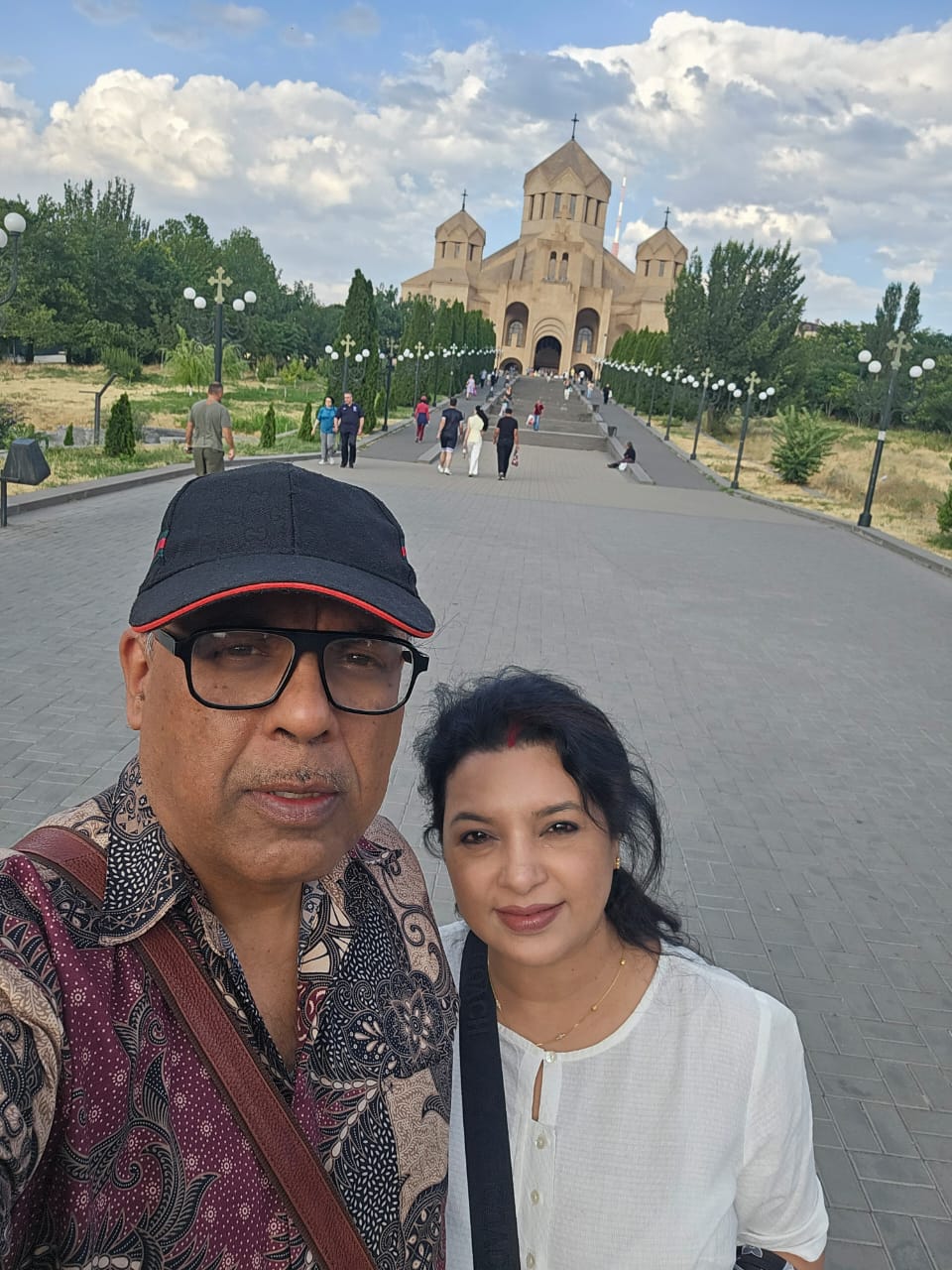
Standing before the cathedral, we were struck not only by its immense scale but also by its quiet atmosphere. Despite being one of Armenia's newest landmarks, it already feels timeless, reflecting the country's long Christian heritage and enduring cultural identity.
Republic Square
Best Place to Spend Evenings
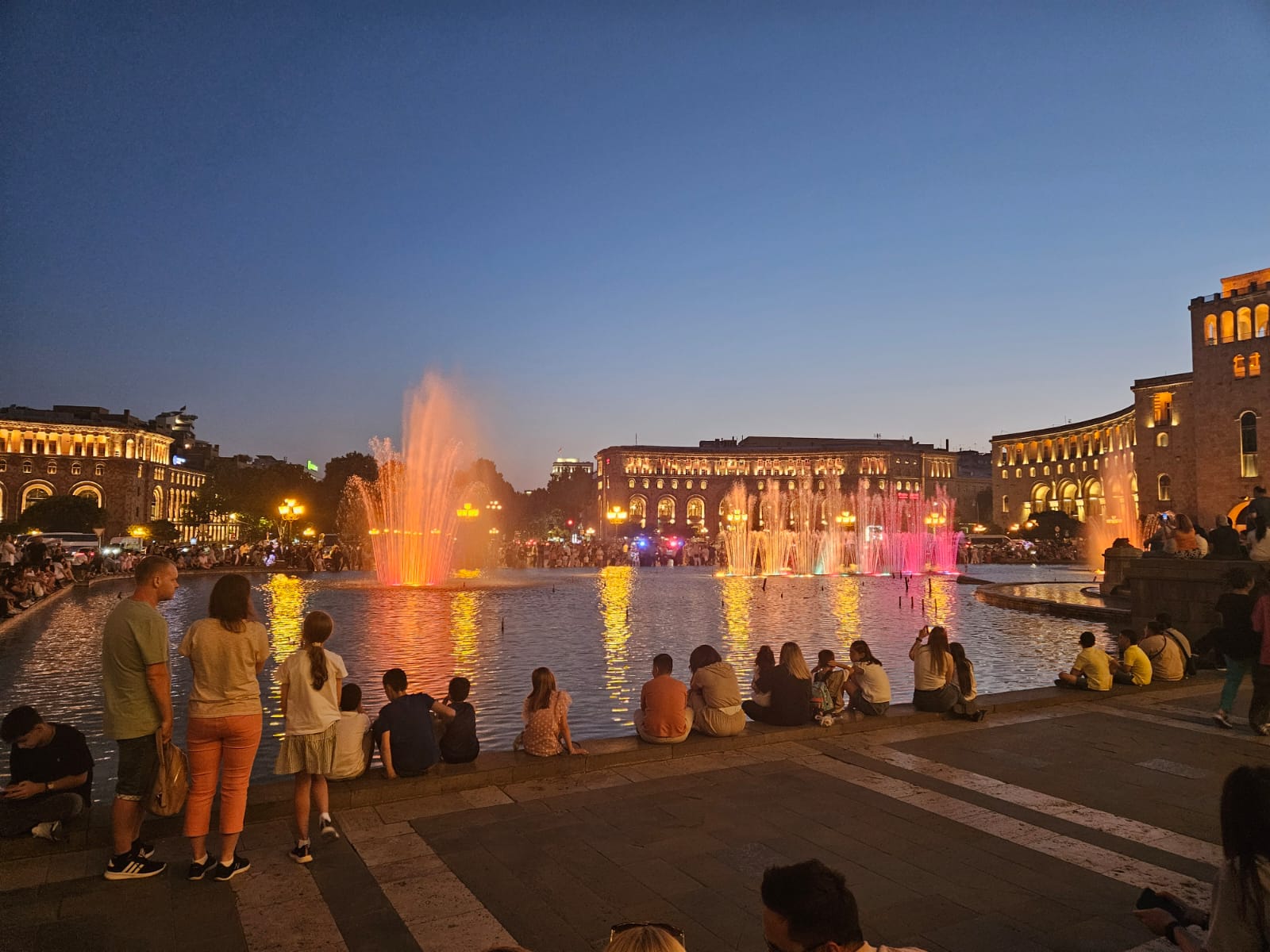
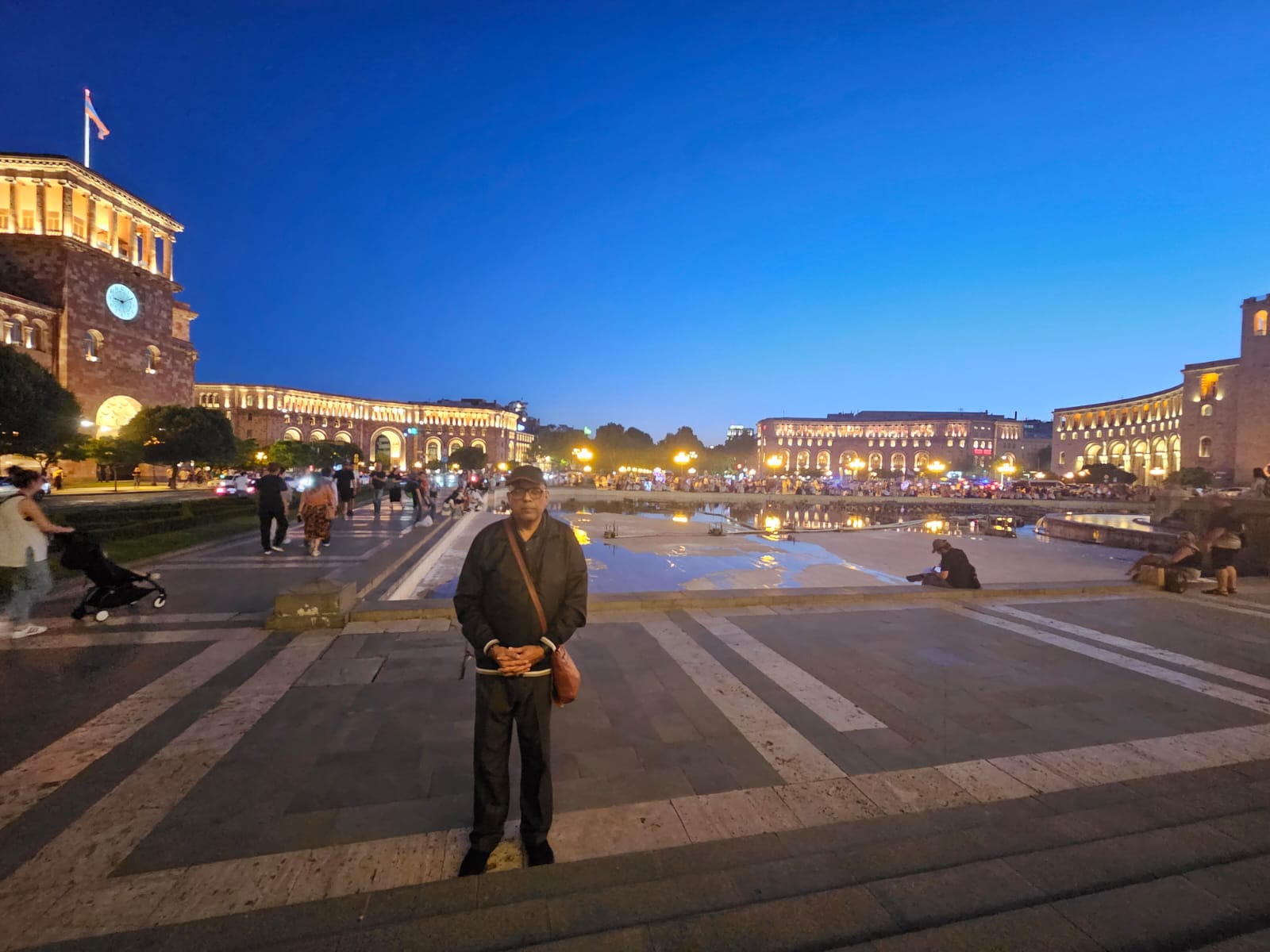
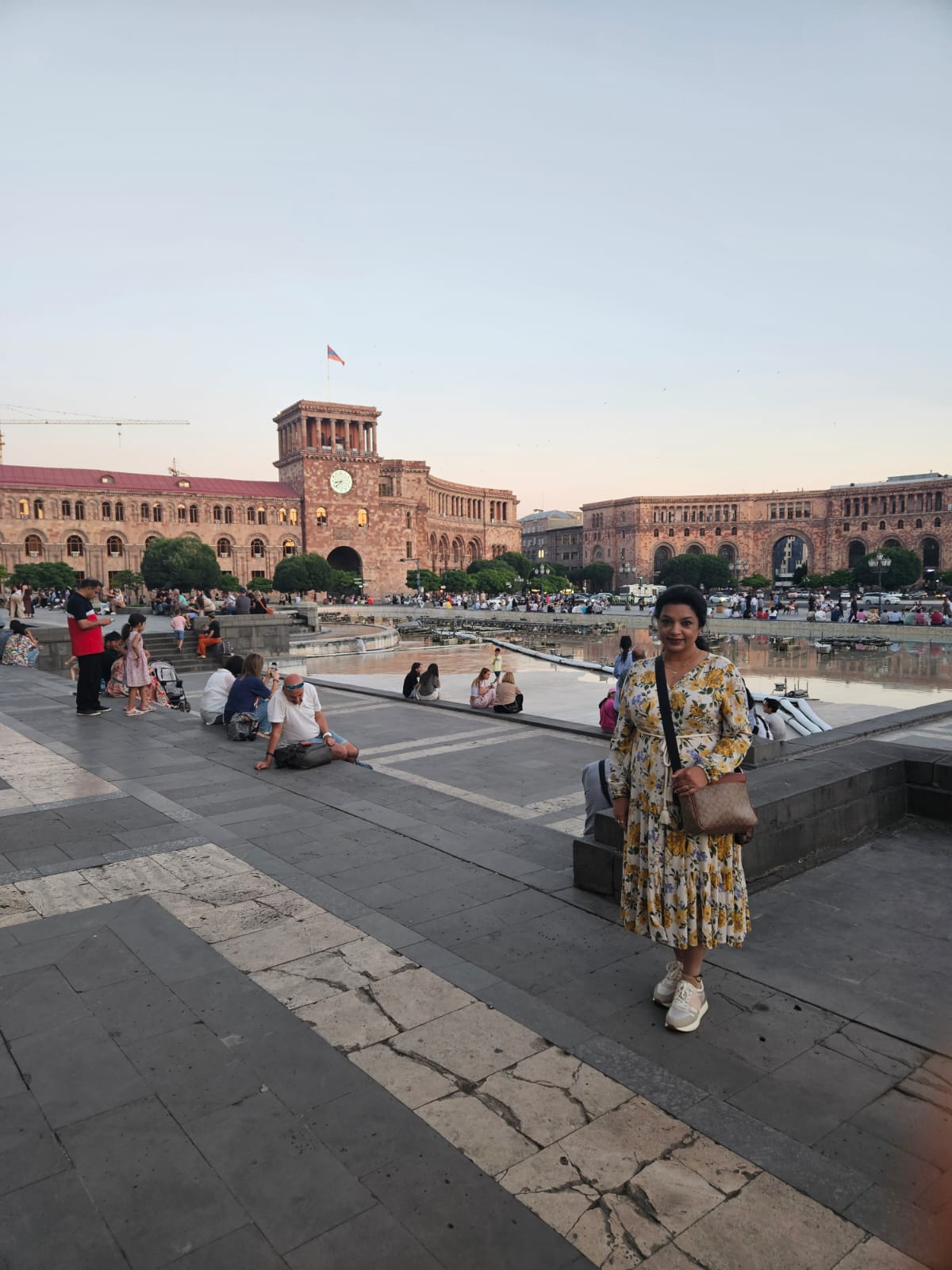
Republic Square quickly became one of our favourite places to relax after a day of sightseeing. As evening falls, the elegant government buildings illuminate beautifully while families, locals, and visitors gather around the famous musical fountains.
The peaceful atmosphere, lively cafés, and colourful fountain performances make Republic Square one of Yerevan's most enjoyable evening destinations.
Yerevan Cascade
The City's Most Beautiful Attraction
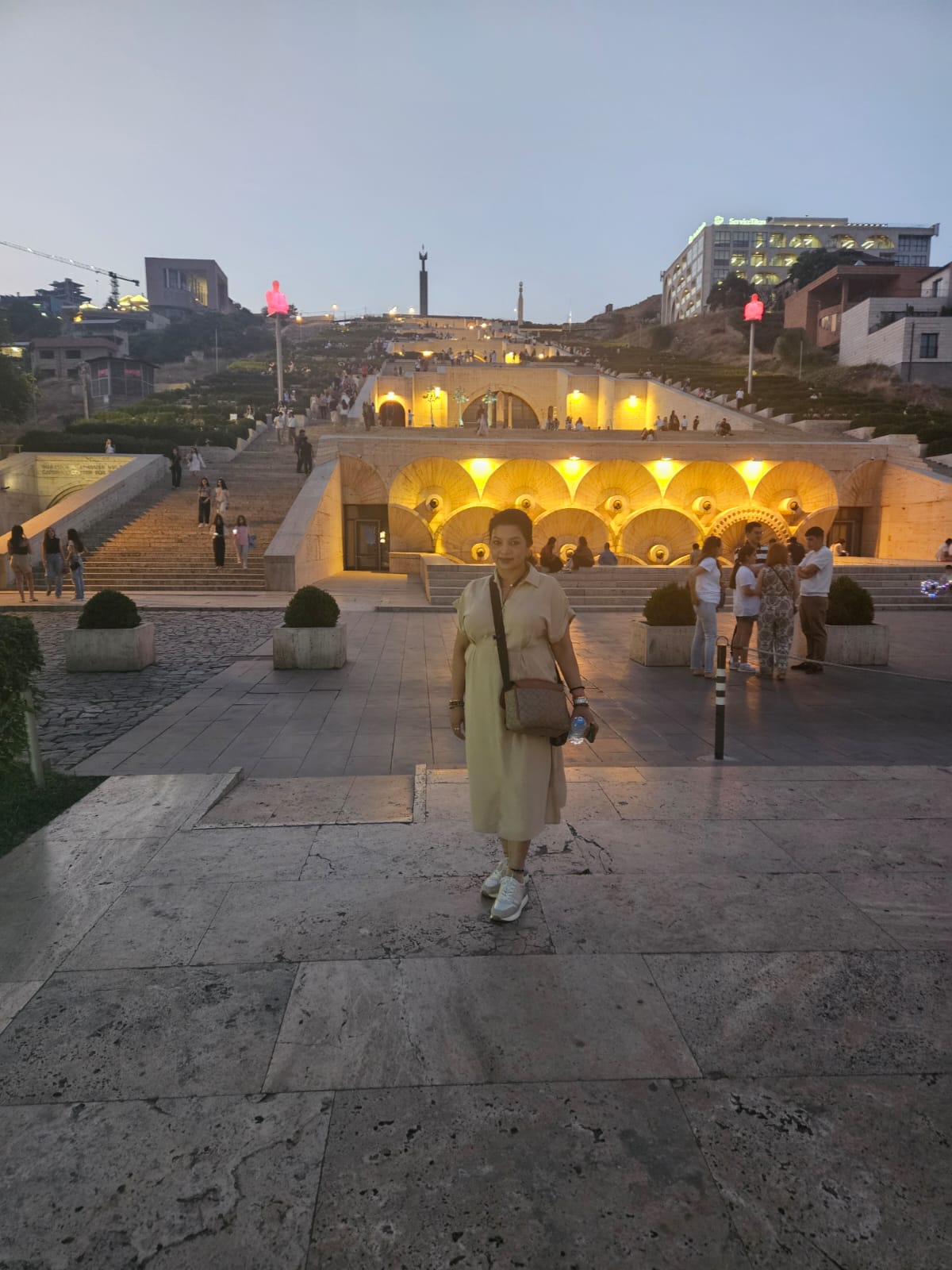
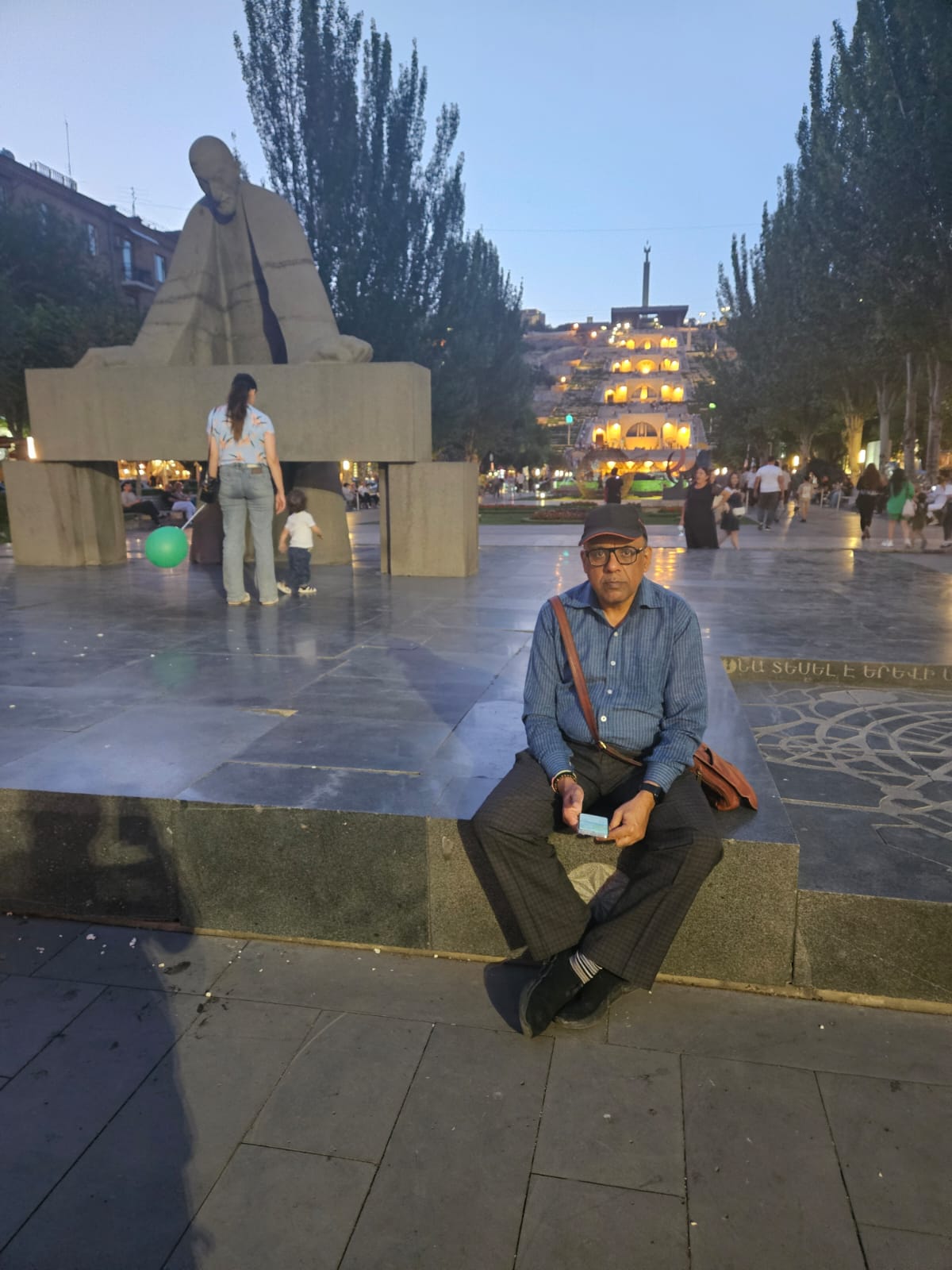
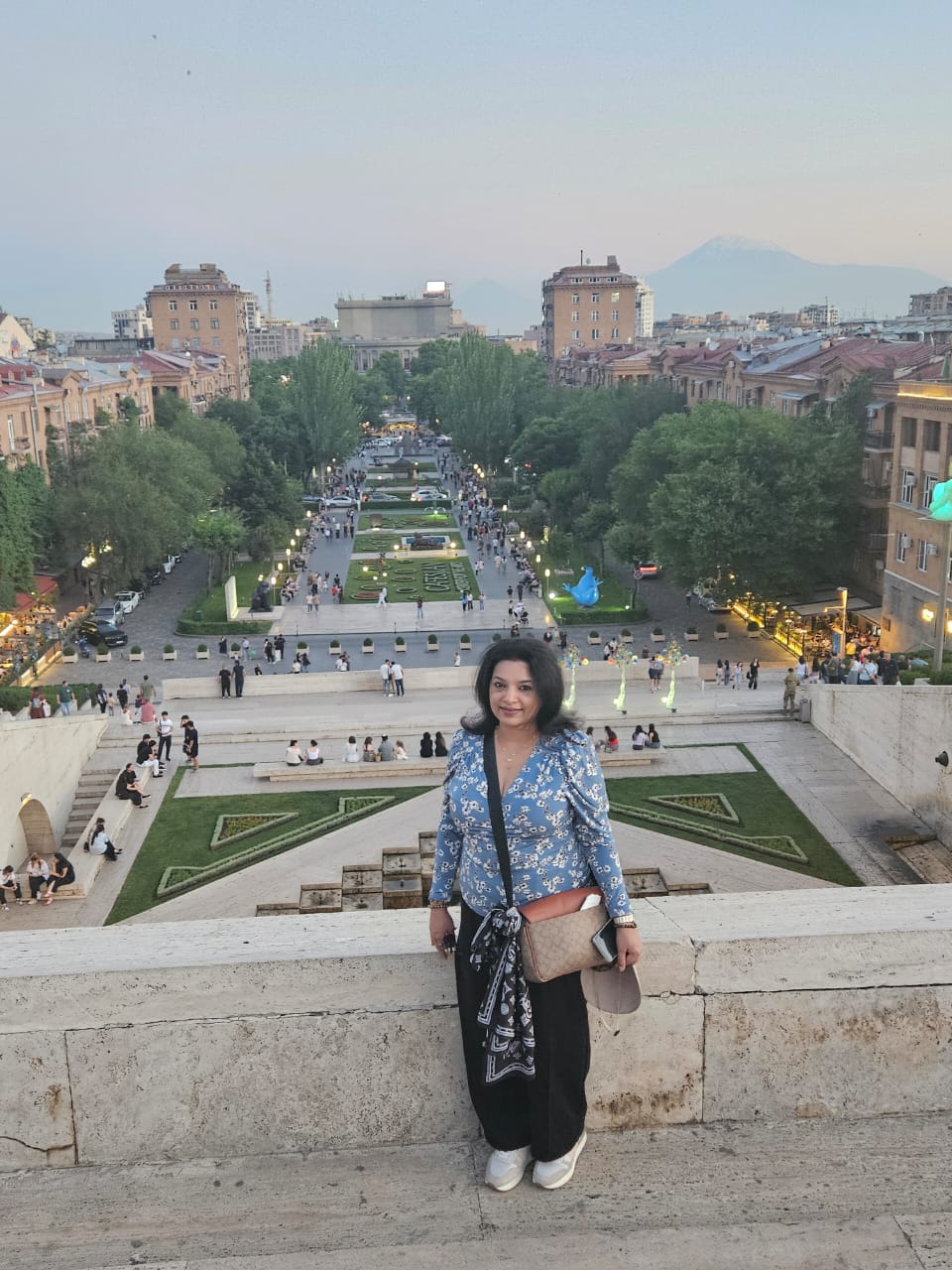
The Yerevan Cascade is, in my personal opinion, the city's most beautiful and must-visit attraction. This remarkable series of limestone terraces connects the city centre with the Monument neighbourhood while serving as both an architectural landmark and a vibrant public space.
Along the way, visitors pass sculptures, fountains, gardens and contemporary art installations that give the Cascade a unique open-air museum atmosphere.
As we climbed higher, every terrace revealed an even more spectacular panorama over Yerevan, with Mount Ararat appearing in the distance on a clear evening—making the climb completely worthwhile.
Frescoes & Murals National Gallery of Armenia
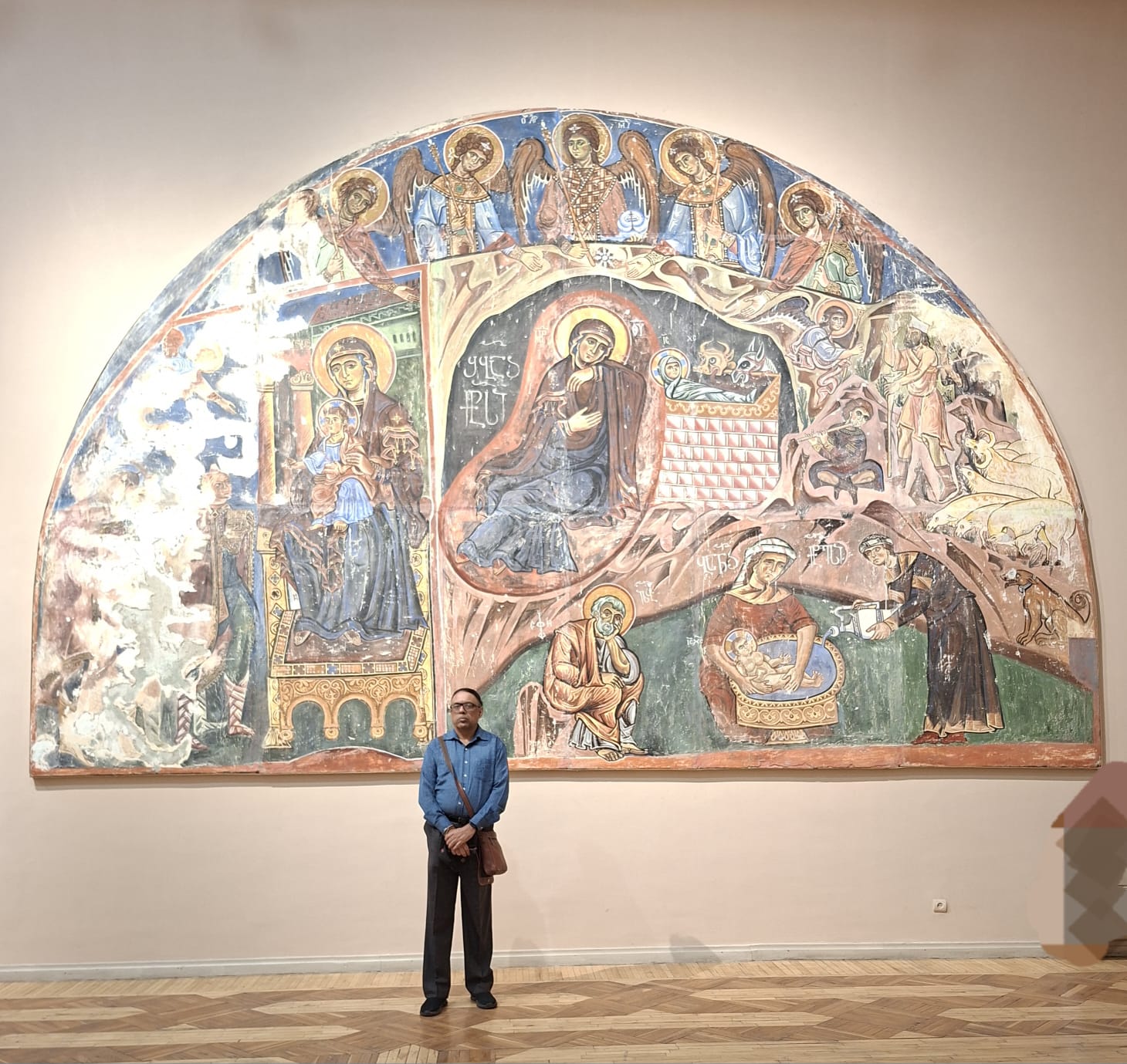
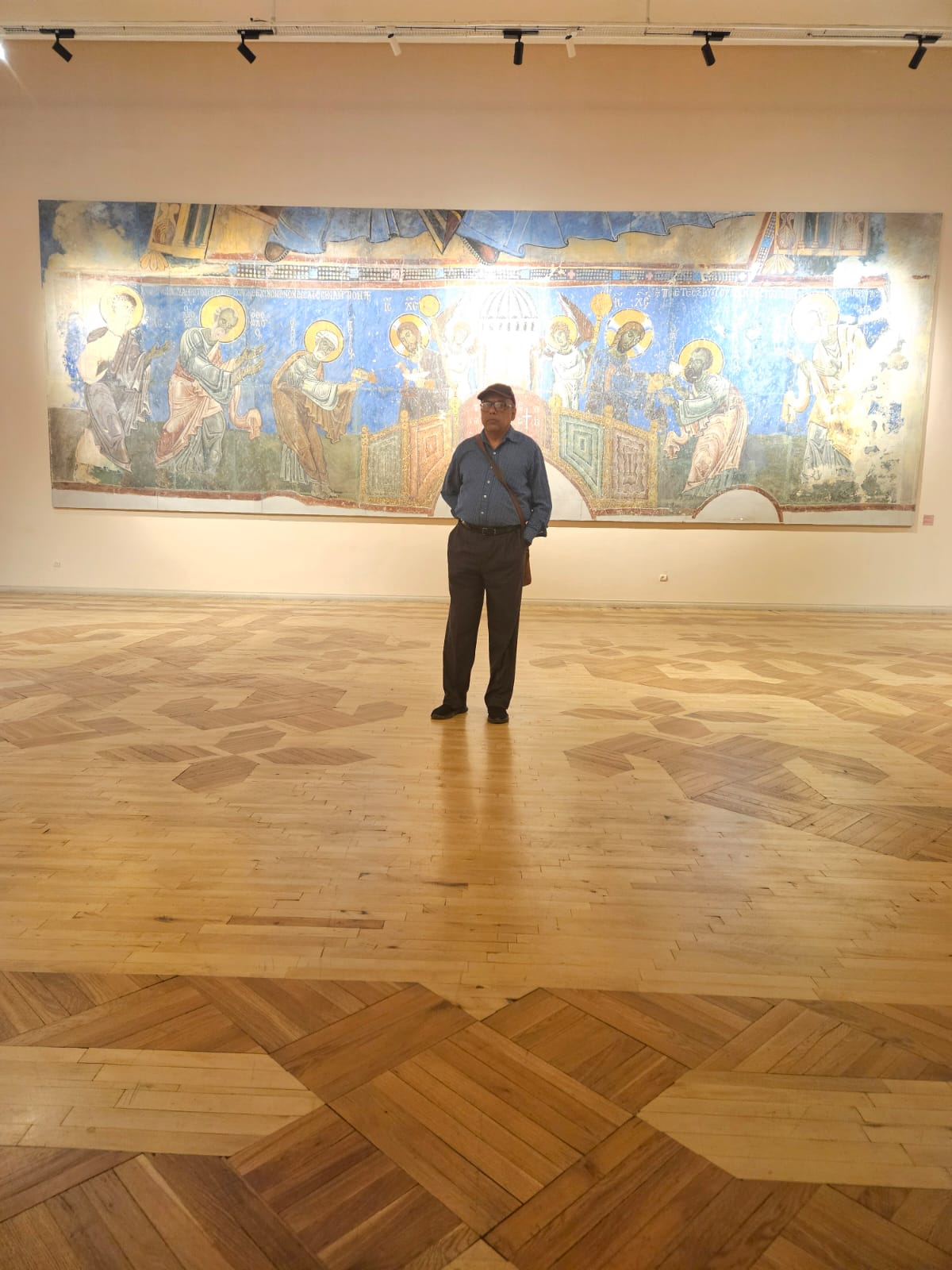
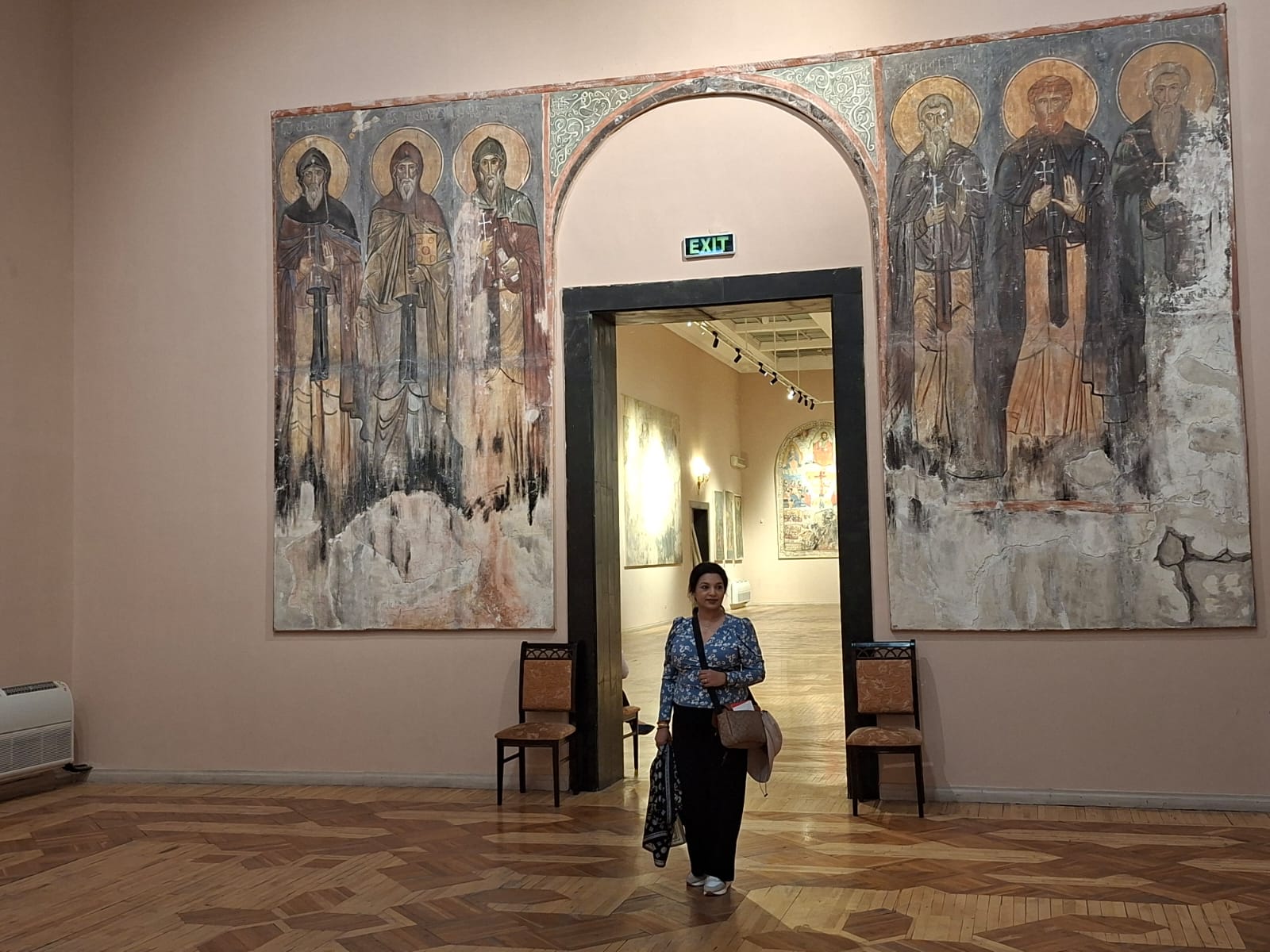
The National Gallery of Armenia gave us a fascinating glimpse into Armenia's deep Christian and artistic heritage. One of the most memorable sections was the magnificent hall dedicated to medieval Armenian frescoes, where the atmosphere itself felt quiet, sacred, and timeless.
The enormous wall paintings surrounding the galleries, filled with haloed saints and biblical figures, immediately drew our attention with their remarkable detail, colours, and spiritual presence.
Seeing these carefully preserved monastery frescoes up close was truly impressive, especially knowing that many were brought here from remote historic monasteries to protect them from damage and preserve Armenia's artistic legacy for future generations.
Khachkar Traditional Armenian Cross-Stone
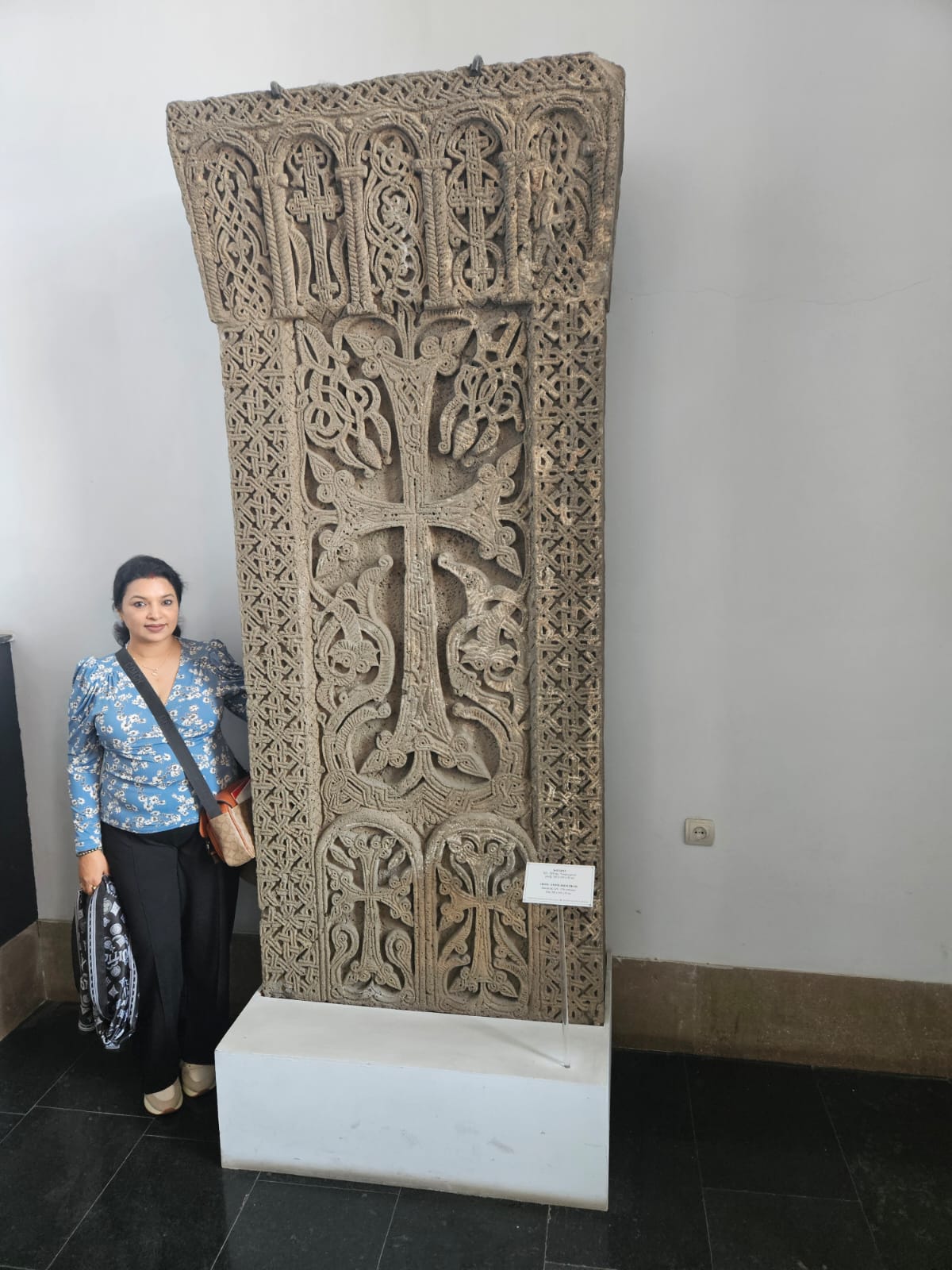
This beautifully carved Khachkar, or Armenian cross-stone, is one of Armenia's most distinctive cultural and religious symbols. Carved from volcanic tuff, it features an intricately decorated cross surrounded by geometric patterns and traditional Armenian motifs.
For centuries, Khachkars have served as memorials, places of prayer, and monuments commemorating important historical events. Each stone is unique, reflecting the remarkable craftsmanship of Armenian artisans.
Recognised by UNESCO as an Intangible Cultural Heritage tradition, Khachkars remain a powerful symbol of Armenia's history, faith, and artistic identity.
Museums that Tell Armenia's Story
During our stay in Yerevan, we also visited the History Museum of Armenia and the Armenian Genocide Museum. Together, they offer a powerful insight into the country's long and often turbulent past.
The exhibits reveal the hardships endured by the Armenian people over centuries, from invasions and displacement to the tragedy of the genocide. Yet what stood out most to us was their remarkable resilience.
Despite immense challenges, Armenians have preserved their unique culture, language, and Christian faith, passing them from generation to generation. These museums are not only places of remembrance but also a testament to the courage and determination of a people who refused to let their identity disappear.
Tips for Visiting Yerevan
Getting Around
Use the Yandex Go app for taxis. It is inexpensive, reliable, and much cheaper than hailing a cab on the street.
Best Time
Start sightseeing early. Popular attractions such as the Cascade, Republic Square, and museums are quieter in the morning.
Local Cuisine
Try Armenian lavash bread, khorovats (barbecue), dolma, and the excellent local wines and brandies.
Evenings
Visit Republic Square after dark to enjoy the illuminated buildings and musical fountains.
Day Trips
Plan a day trip to Garni Temple and Geghard Monastery, two of Armenia's most famous landmarks.
Café Culture
Allow time for café culture. Yerevan's tree-lined streets and outdoor cafés are perfect for relaxing.
The Pink Heart of Armenia
Yerevan is often called the "Pink City" because many of its buildings are constructed from locally quarried pink volcanic tuff stone. Compact, welcoming, and easy to explore, it is one of the most enjoyable capitals in the Caucasus.
Navigate the Caravan Route
Read Next: Other Dispatches
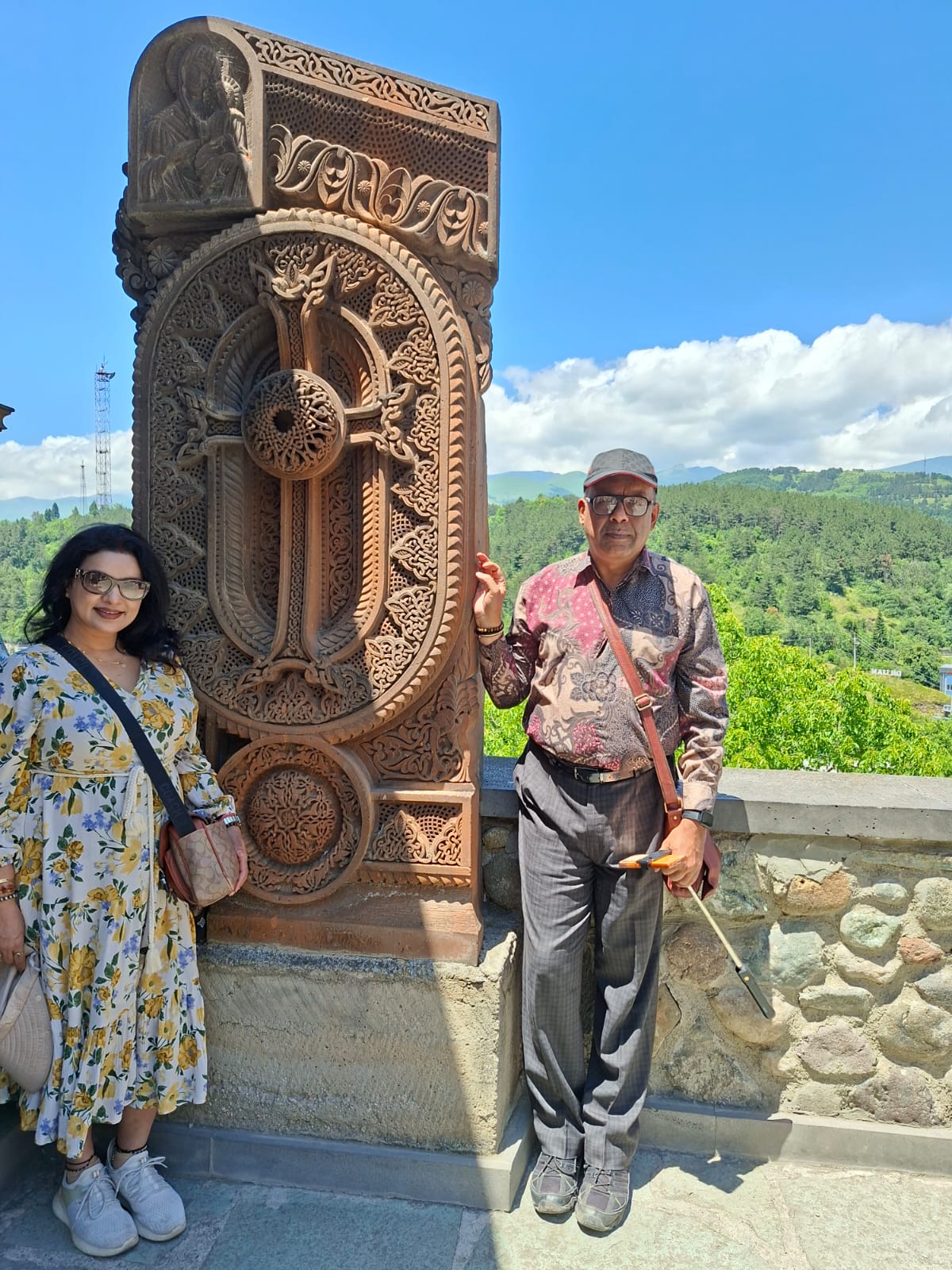
Dilijan
A forested retreat along ancient merchant routes connecting Armenia with neighboring Silk Road lands.
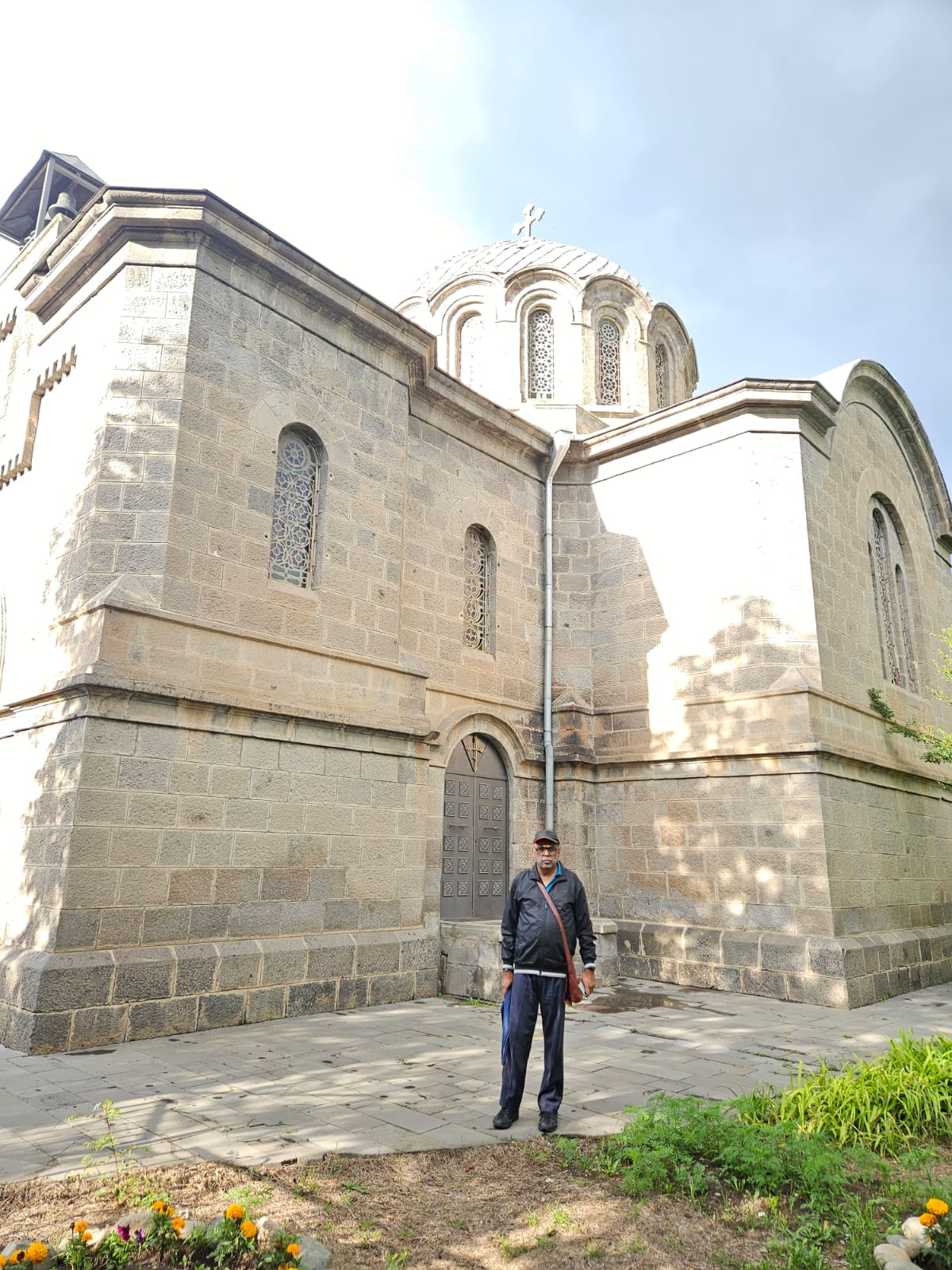
Vanadzor
A gateway through northern Armenia where ancient trade routes threaded through mountain valleys.
Get the complete Field Notebooks in your inbox
Subscribe to receive weekly dispatches detailing train logistics, border crossing forms, and historical accounts from our future travels.