Echoes of the Silk Road: The Timeless Splendor of Samarkand
Journey from Almaty to Samarkand
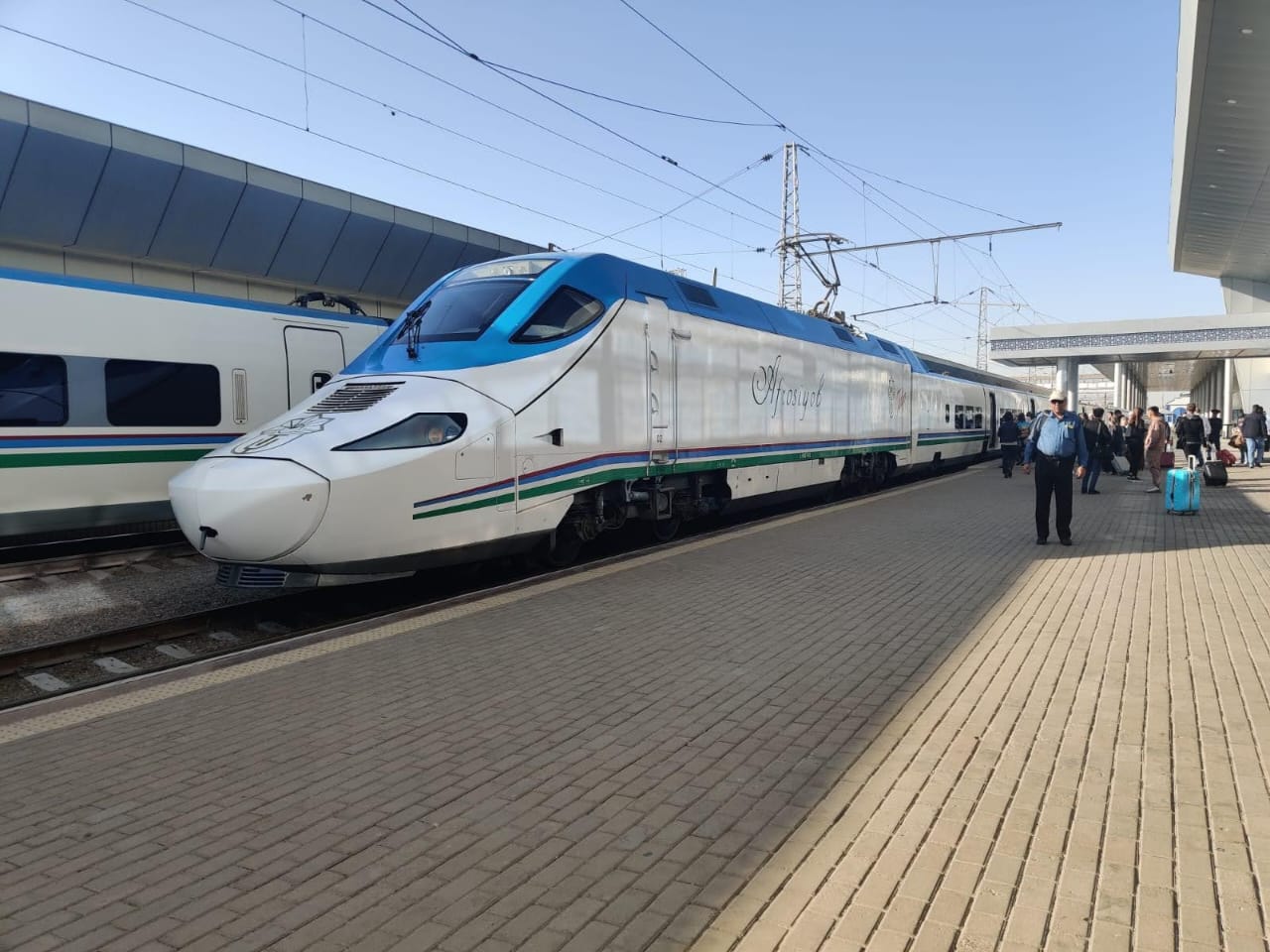
Experience the best of Central Asia by flying from Almaty to Tashkent for a quick start, then board the high-speed Afrosiyob train to Samarkand. By booking your train tickets online exactly 45 days in advance, you'll trade long road travel for a swift, comfortable 2.5-hour journey to the heart of the Silk Road. With the Yandex Go app for local transport and an eSIM for connectivity, this route offers a perfectly efficient path from modern city life to timeless historical wonder.
The Majesty of Registan:A Masterpiece of the Silk Road
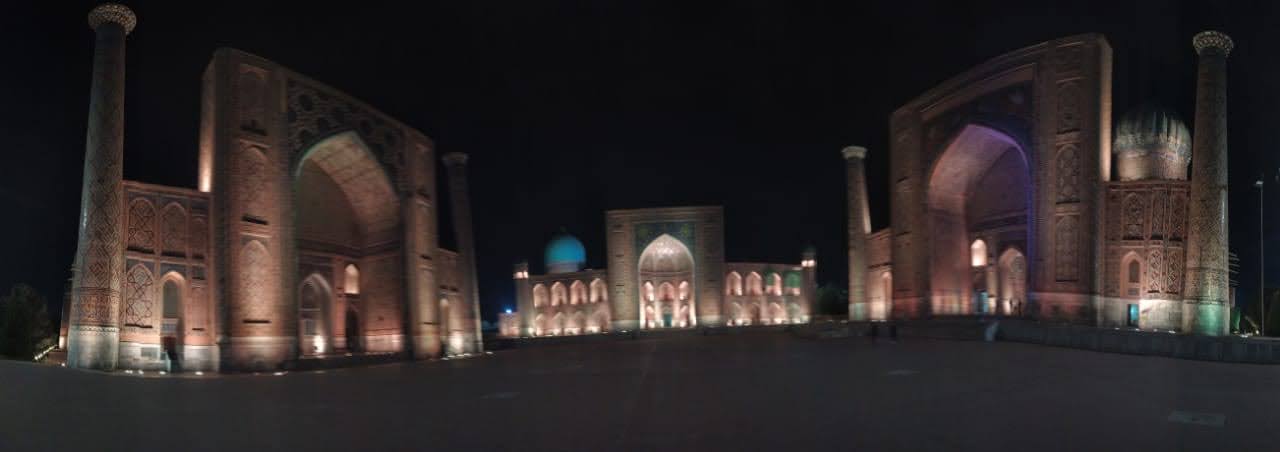
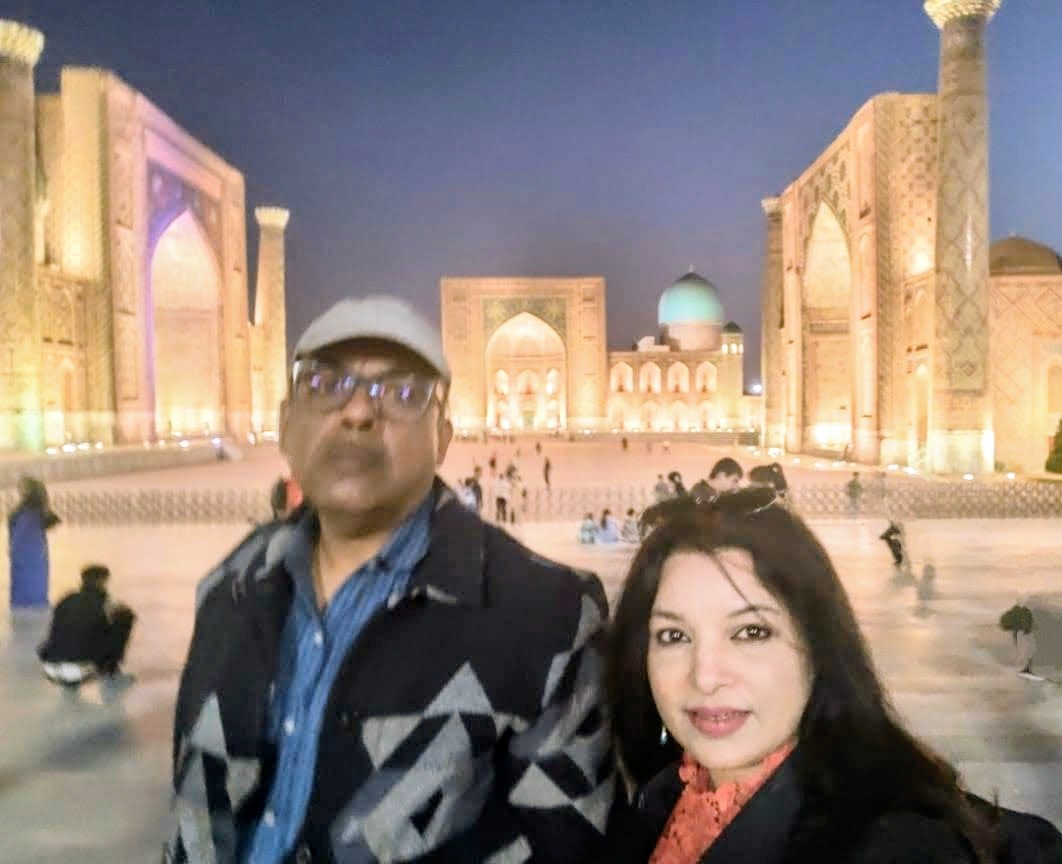
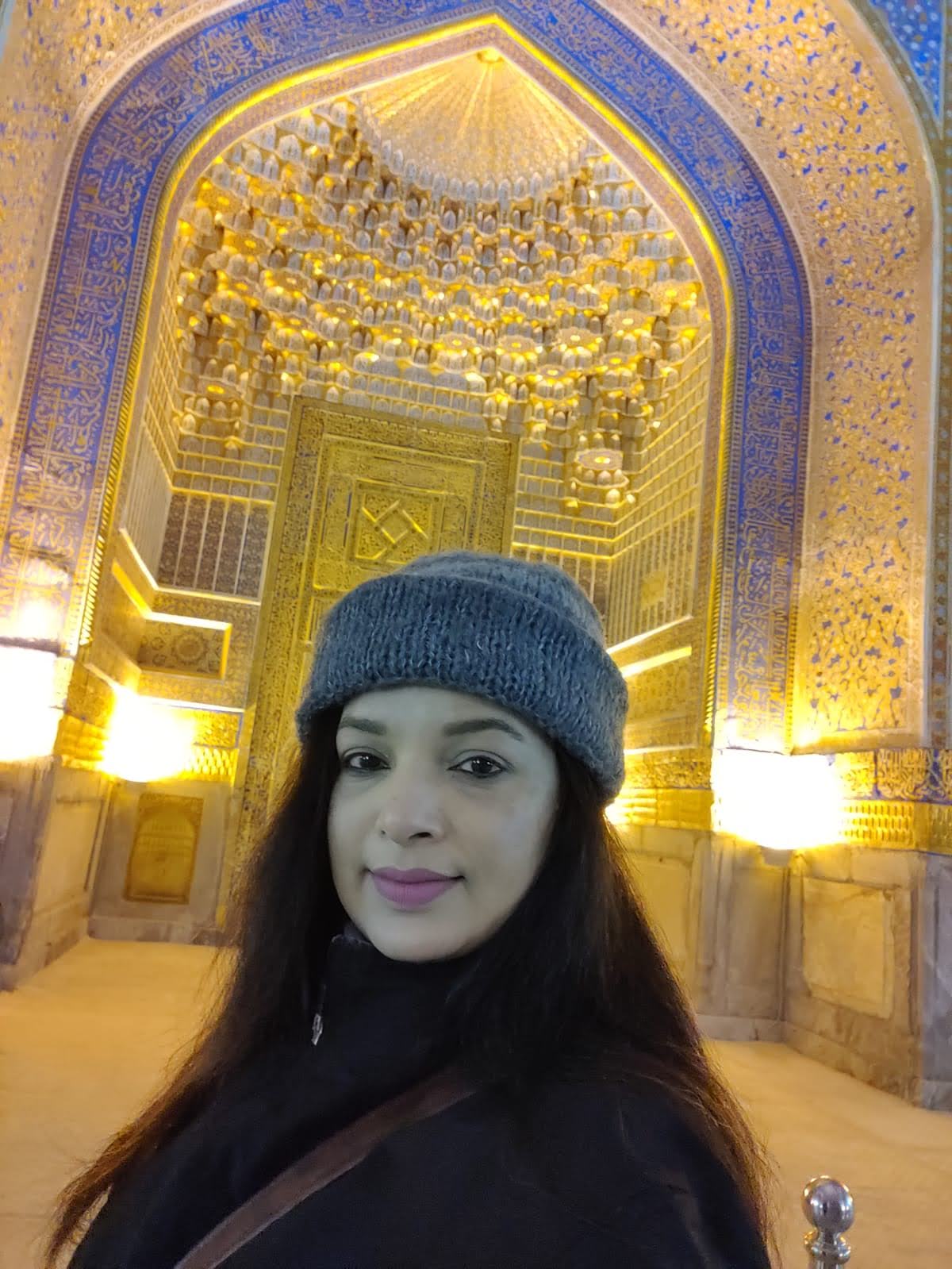
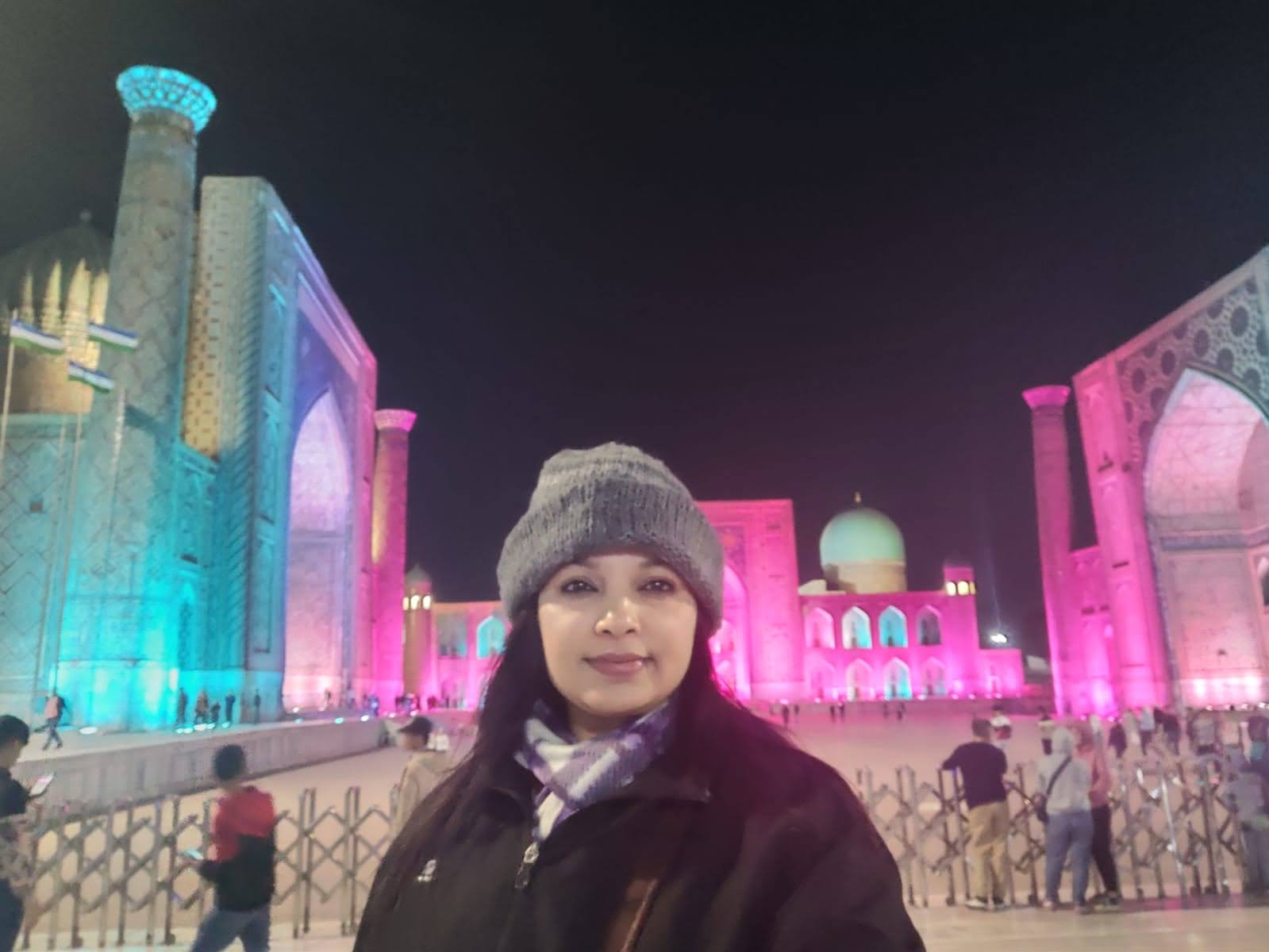
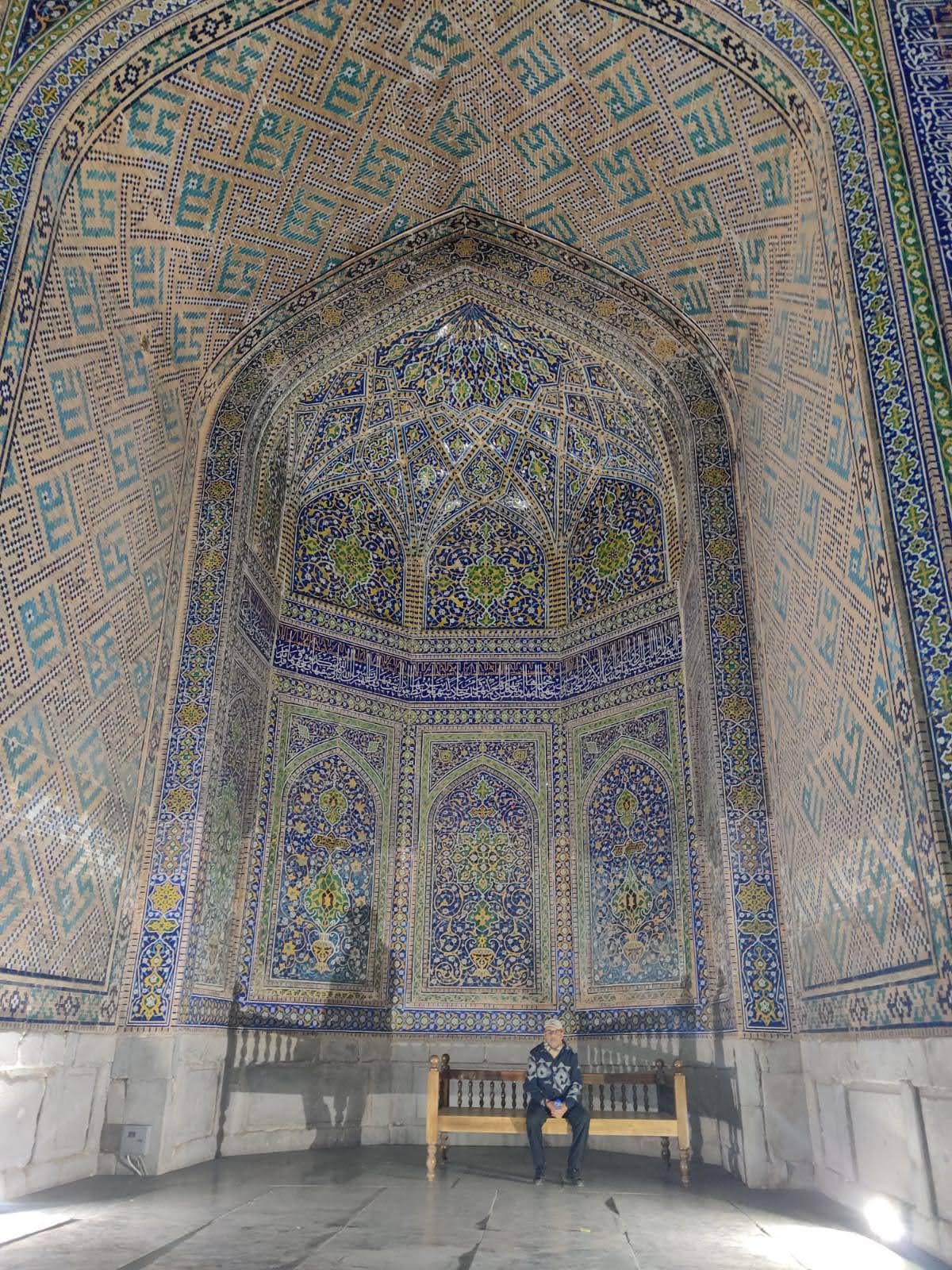
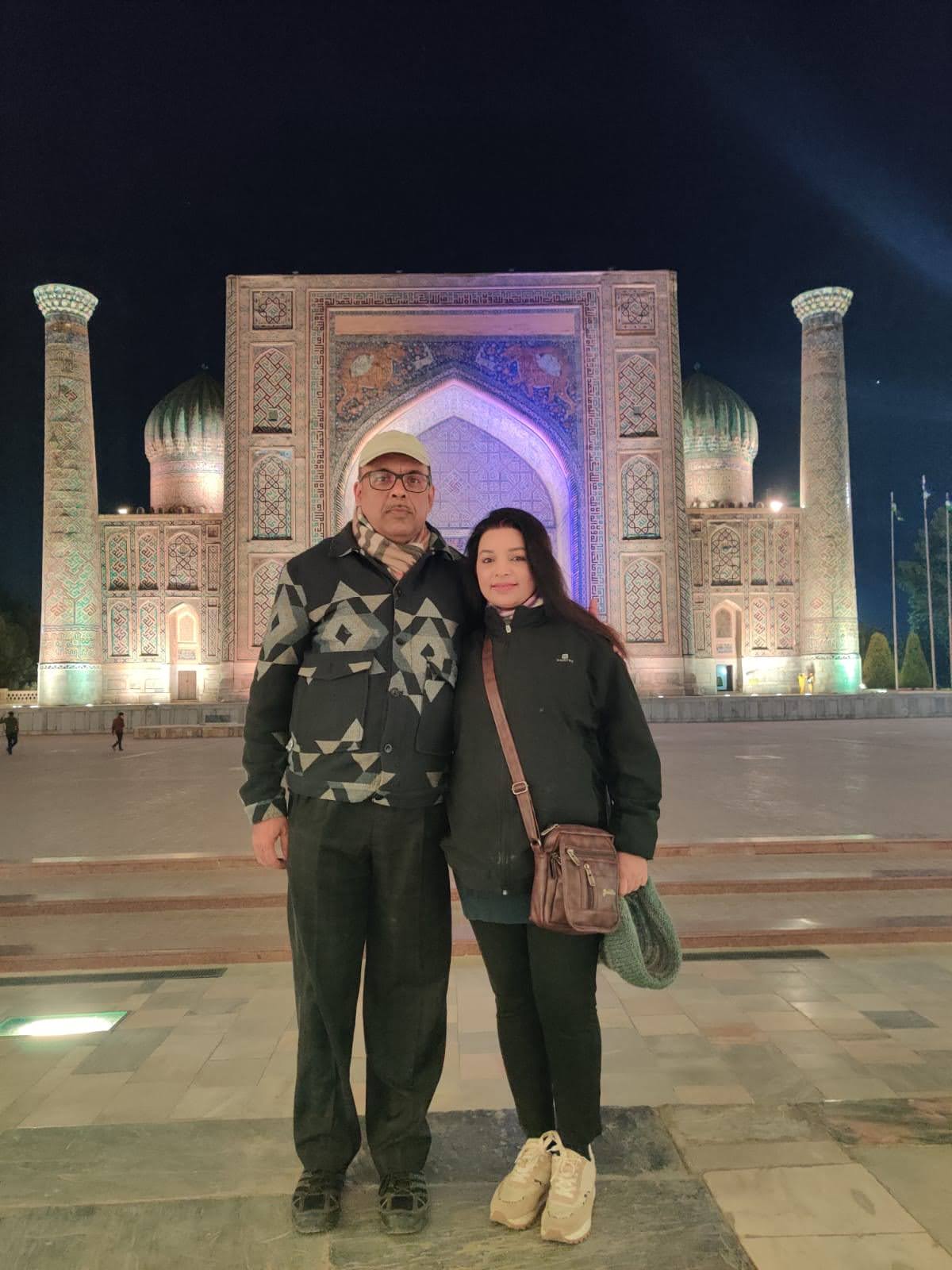
The magnificent Registan Square is frequently hailed as the crown jewel of Central Asia, and witnessing it firsthand, we finally understood why. From the moment we stepped into the square, we were spellbound by its sheer grandeur, perfect symmetry, and the intricate, vibrant mosaic work blanketing its towering facades.
Encircled by three architectural marvels—the Ulugh Beg, Sher-Dor, and the gold-adorned Tilya-Kori Madrasahs—the entire complex possesses a scale and splendor so profound it feels almost surreal.
Registan's Hidden History:Where Beauty Meets the Past
What fascinated us even more was learning that the Registan was once the pulsing heart of ancient Samarkand. Centuries ago, this very ground served as the city’s central public square— a stage for royal proclamations, bustling trade, grand celebrations, and even solemn public justice.
Standing in the serene, awe-inspiring silence of the square today, it was difficult to reconcile the tranquil beauty with the dramatic history that once unfolded here. As the sun set and the golden evening lights began to illuminate the ancient facades, the atmosphere became truly ethereal, cementing the Registan as one of the most unforgettable stops on our entire Silk Road journey.
The Ambition of Timur:The Grandeur of Bibi-Khanym
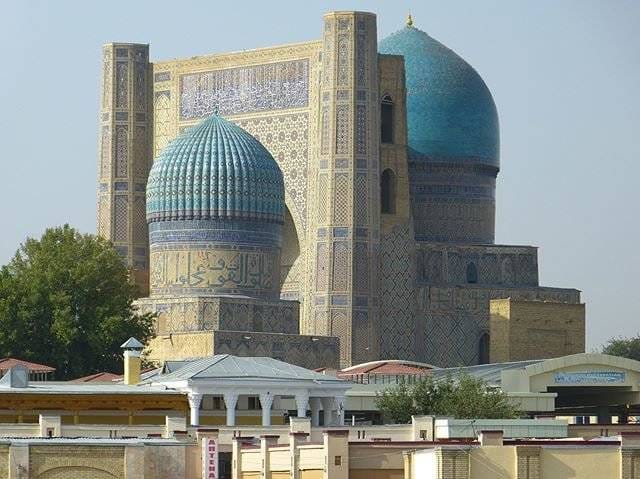
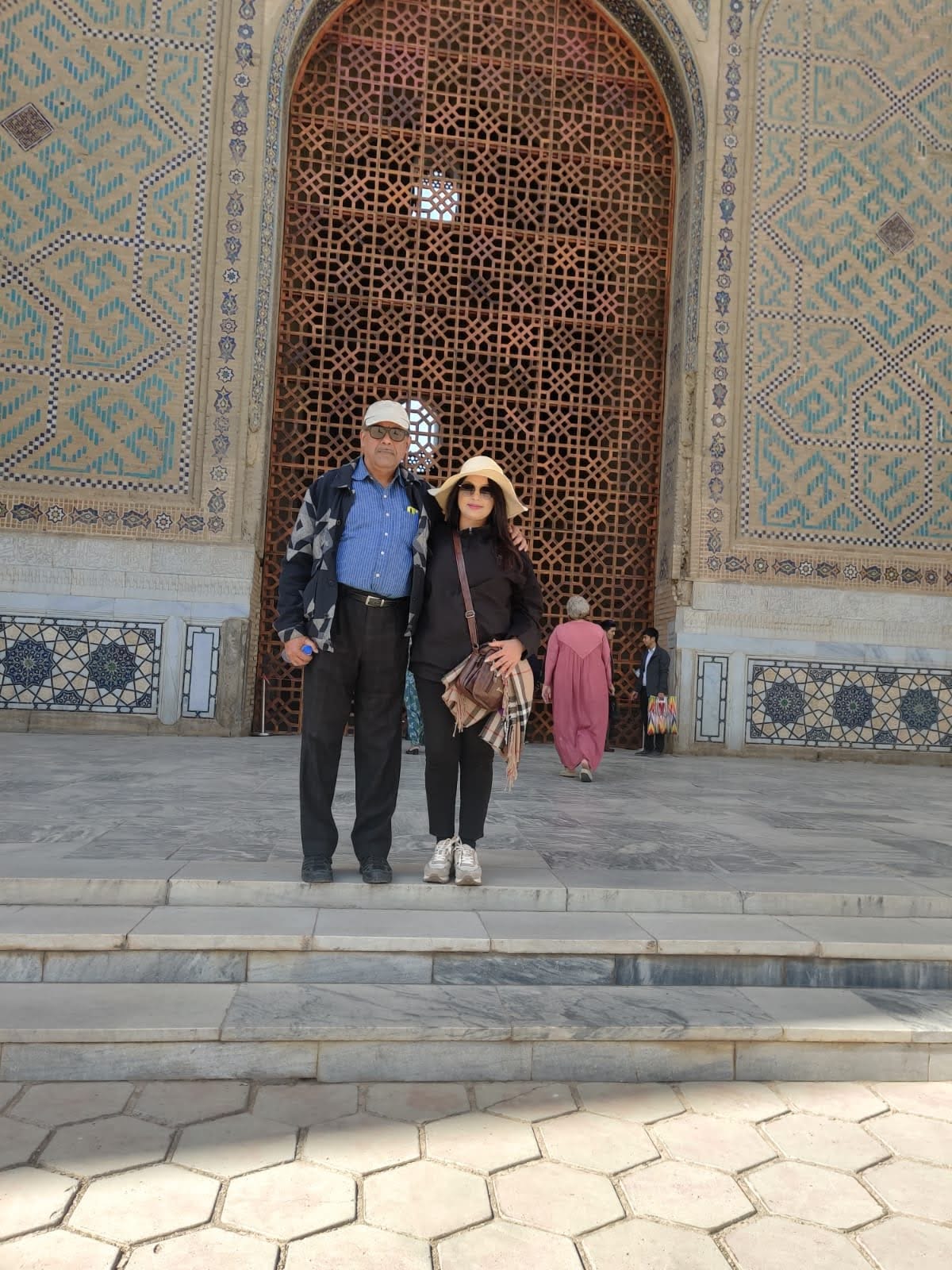
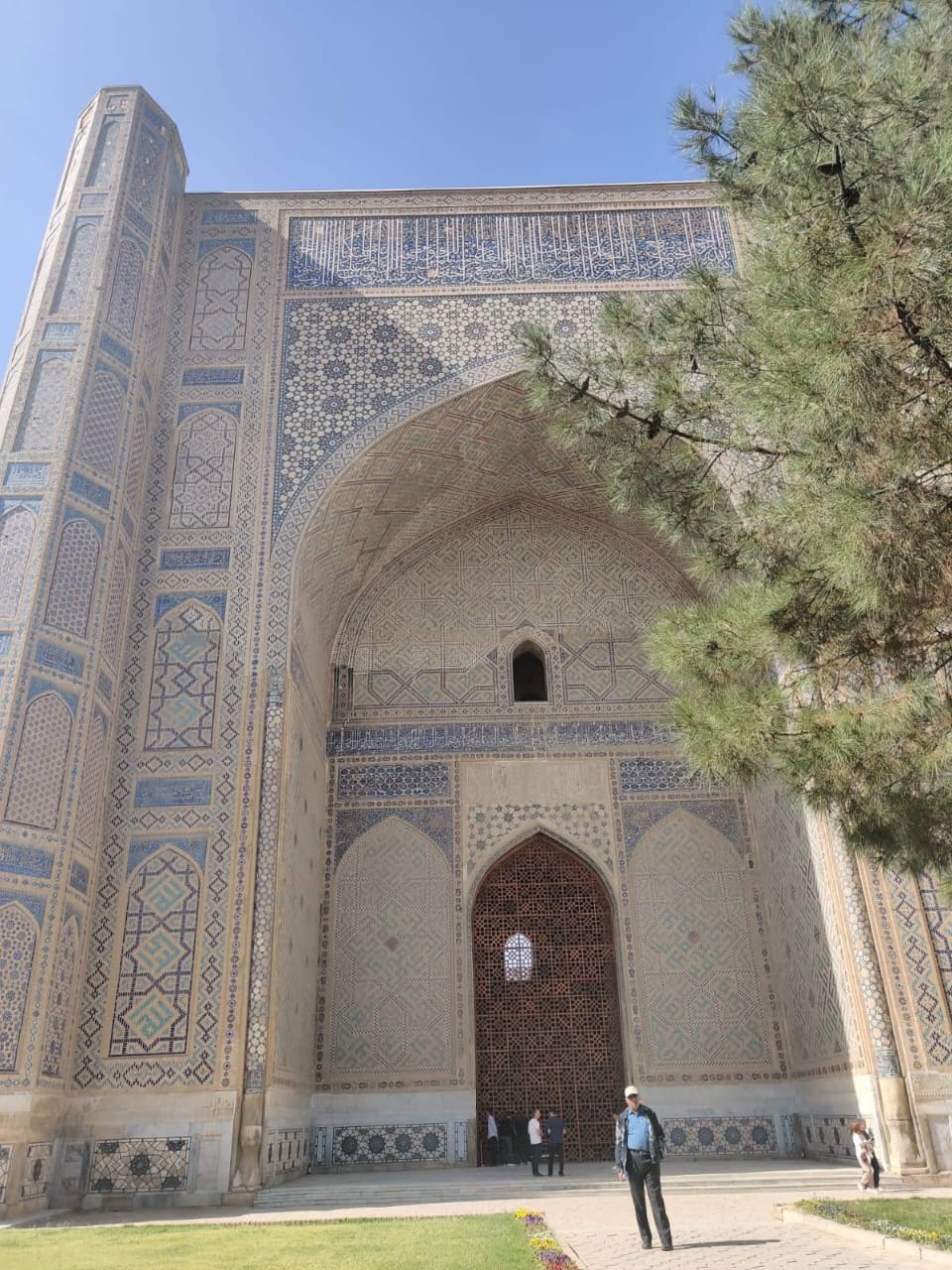
Our visit to the magnificent Bibi-Khanym Mosque was another breathtaking highlight of our time in Samarkand. Located just northeast of the iconic Registan, this immense congregational mosque stands as one of the largest and most ambitious structures in Central Asia, once capable of accommodating nearly 10,000 worshippers.
Commissioned by Timur following his Indian campaign, the mosque was built with such staggering wealth and resources that historical accounts claim 95 elephants were required just to transport the building materials. Standing beneath its soaring arches and monumental turquoise domes, we were completely enveloped by the sheer scale and raw ambition of the Timurid Empire.
Tomb of Timur
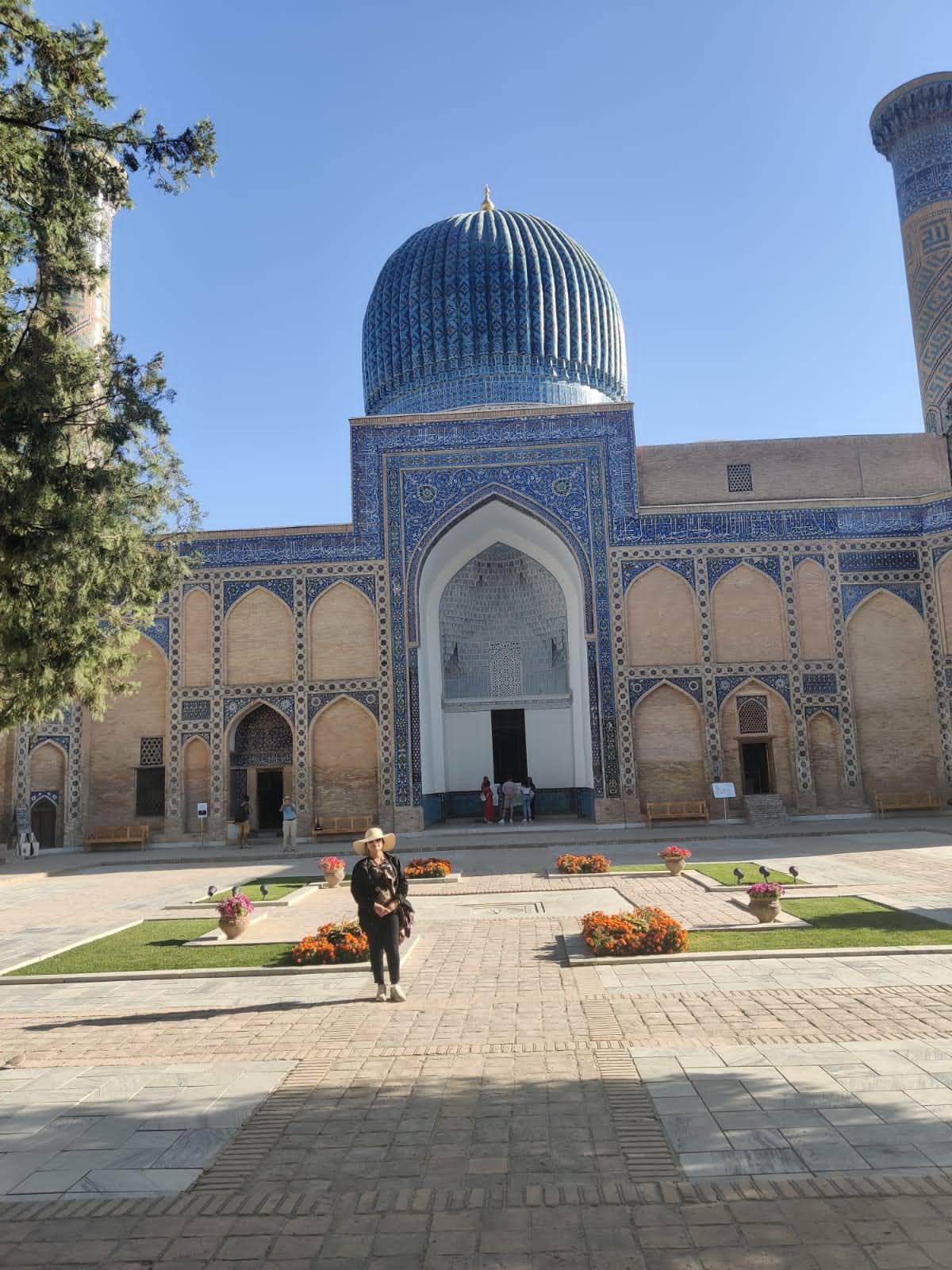
Our visit to the beautiful Gur-e-Amir Mausoleum, built in 1404 for the great conqueror Timur, was truly memorable. The magnificent turquoise dome, intricate mosaics, and elegant architecture made it one of the highlights of Samarkand.
What fascinated us most was learning that this mausoleum later inspired the design of the great Mughal monuments of India, including Humayun's Tomb and the iconic Taj Mahal.
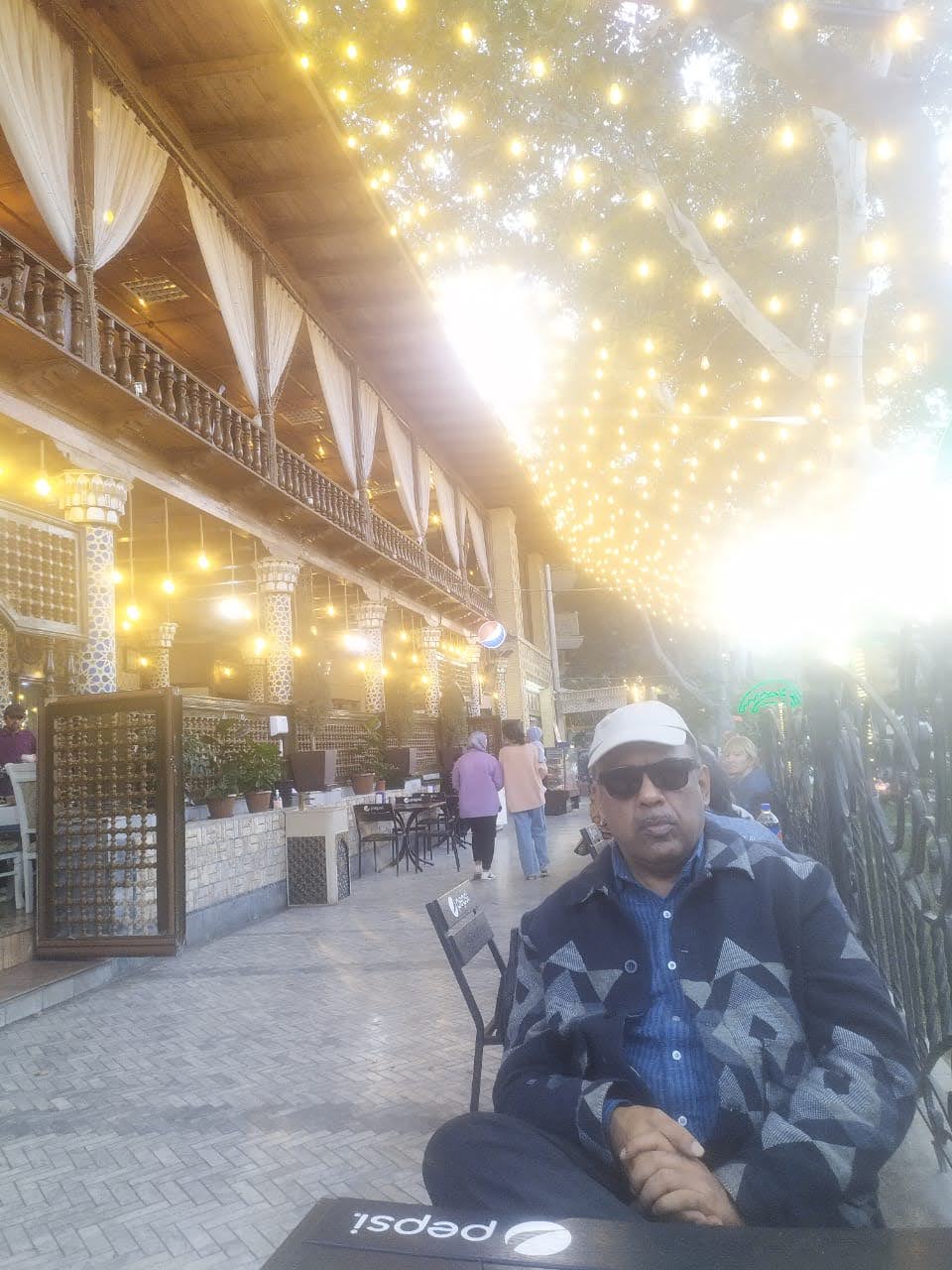
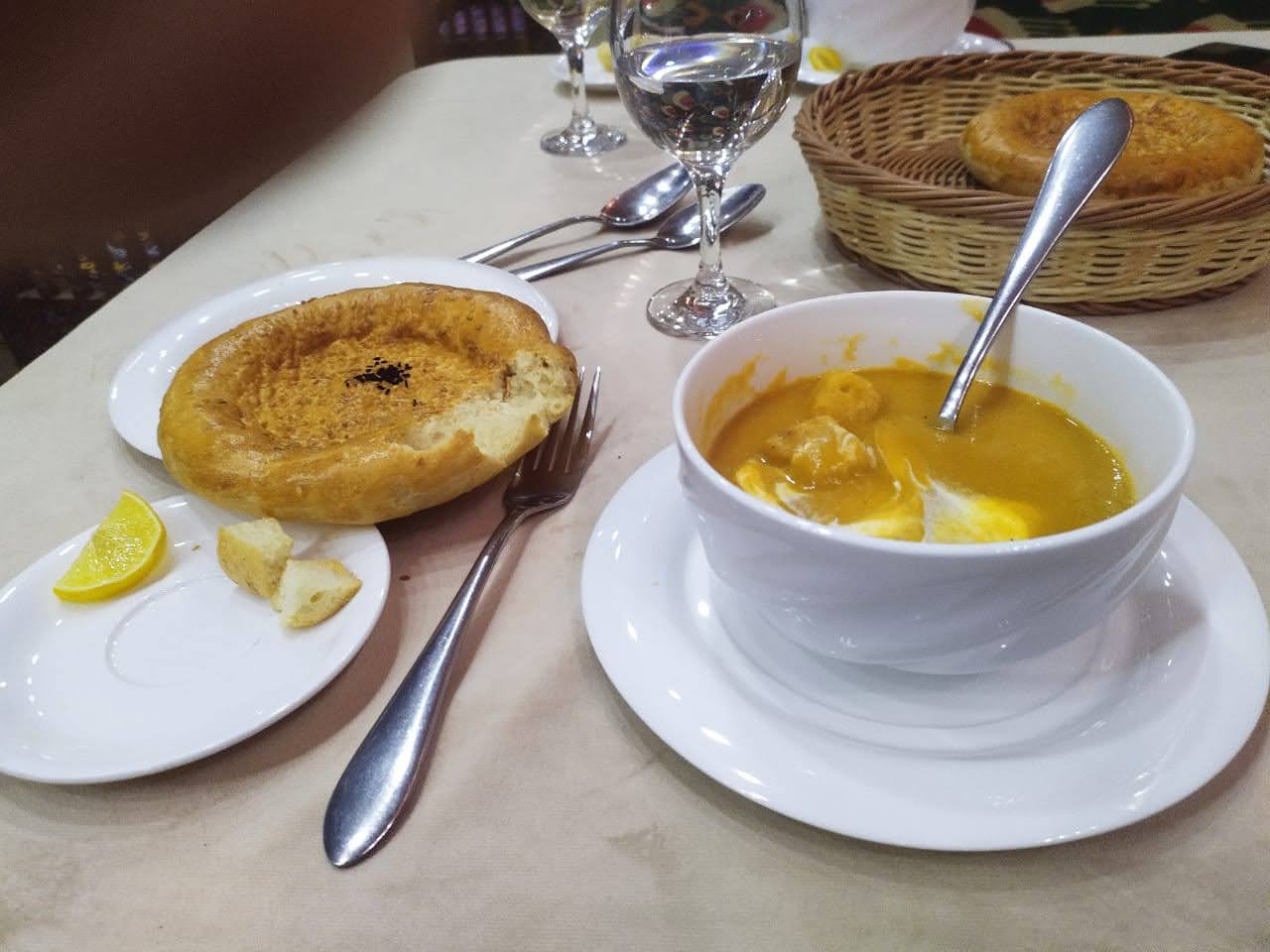
“Sitting in a restaurant. Waiting for the light Uzbek dinner ordered.”
UZBEK CUISINEMANTI & FRESH BREAD
One of the simple yet memorable experiences of our journey through Uzbekistan was enjoying freshly prepared Manti along with traditional Uzbek bread. The warm vegetable-filled stew and soft dumplings paired beautifully with the famous round Uzbek bread, freshly baked and full of flavor.
Sitting in a local setting and sharing this traditional meal gave us a wonderful glimpse into the warmth and hospitality of Uzbek culture, where food remains an important part of everyday life and Silk Route tradition.
SHAKHRISABZ TIMUR'S HOMETOWN ON THE SILK ROUTE
We now continue our Silk Route journey by road to the historic town of Shahrisabz, one of the important cities of Central Asia and the birthplace of the great conqueror Timur. Surrounded by beautiful mountain landscapes, Shahrisabz is best known for the ruins of Timur's grand palace, which still reflect the ambition and power of his empire centuries later.
The town also gave us the opportunity to enjoy authentic Uzbek cuisine, especially the famous "Pulao" or Plov, regarded as the national dish of Uzbekistan. Rich, flavorful, and deeply rooted in local tradition, it was an experience that perfectly blended history, culture, and food along the ancient Silk Route.
Navigate the Caravan Route
Read Next: Other Dispatches
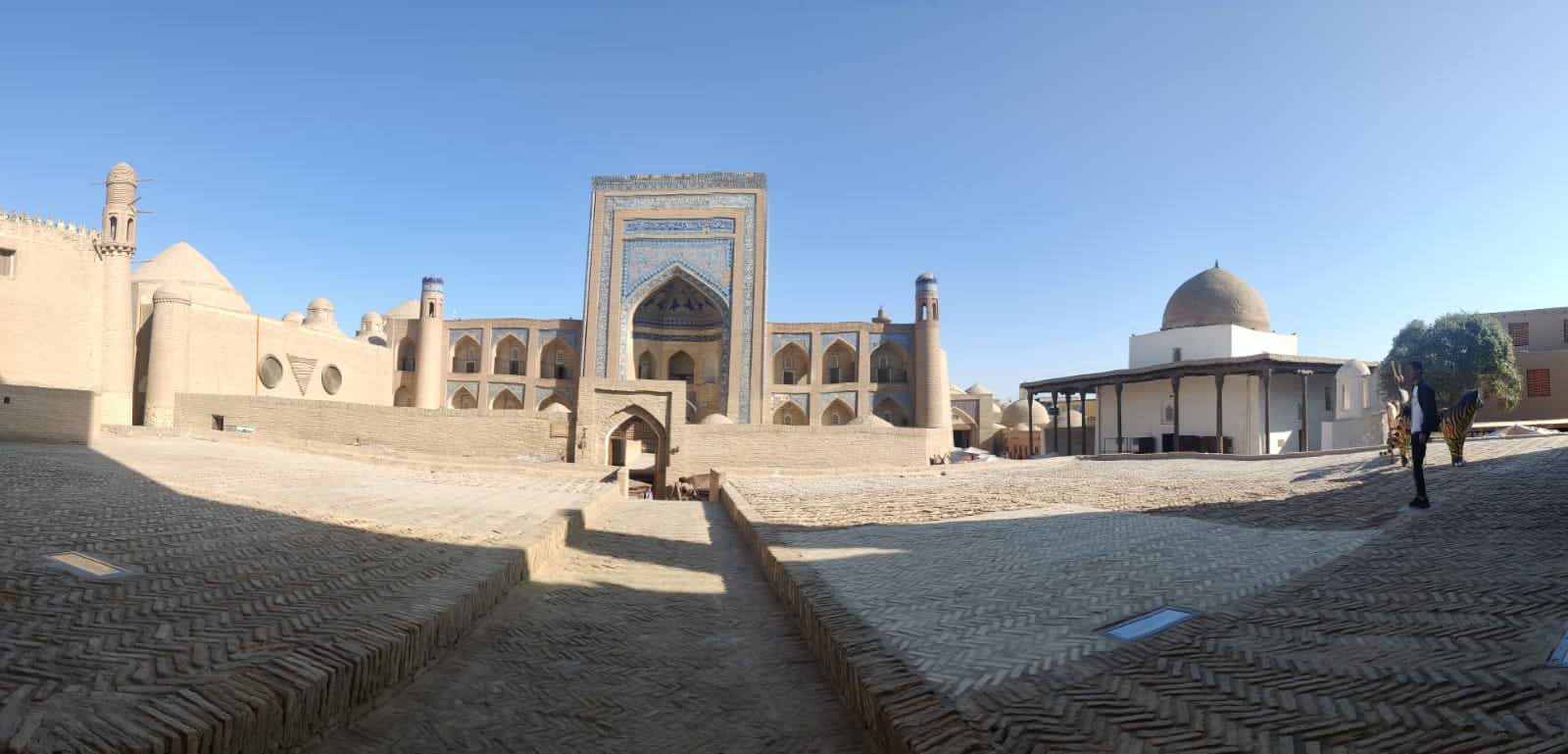
Khiva
A desert oasis and Silk Road trading post preserved almost exactly as it appeared centuries ago.
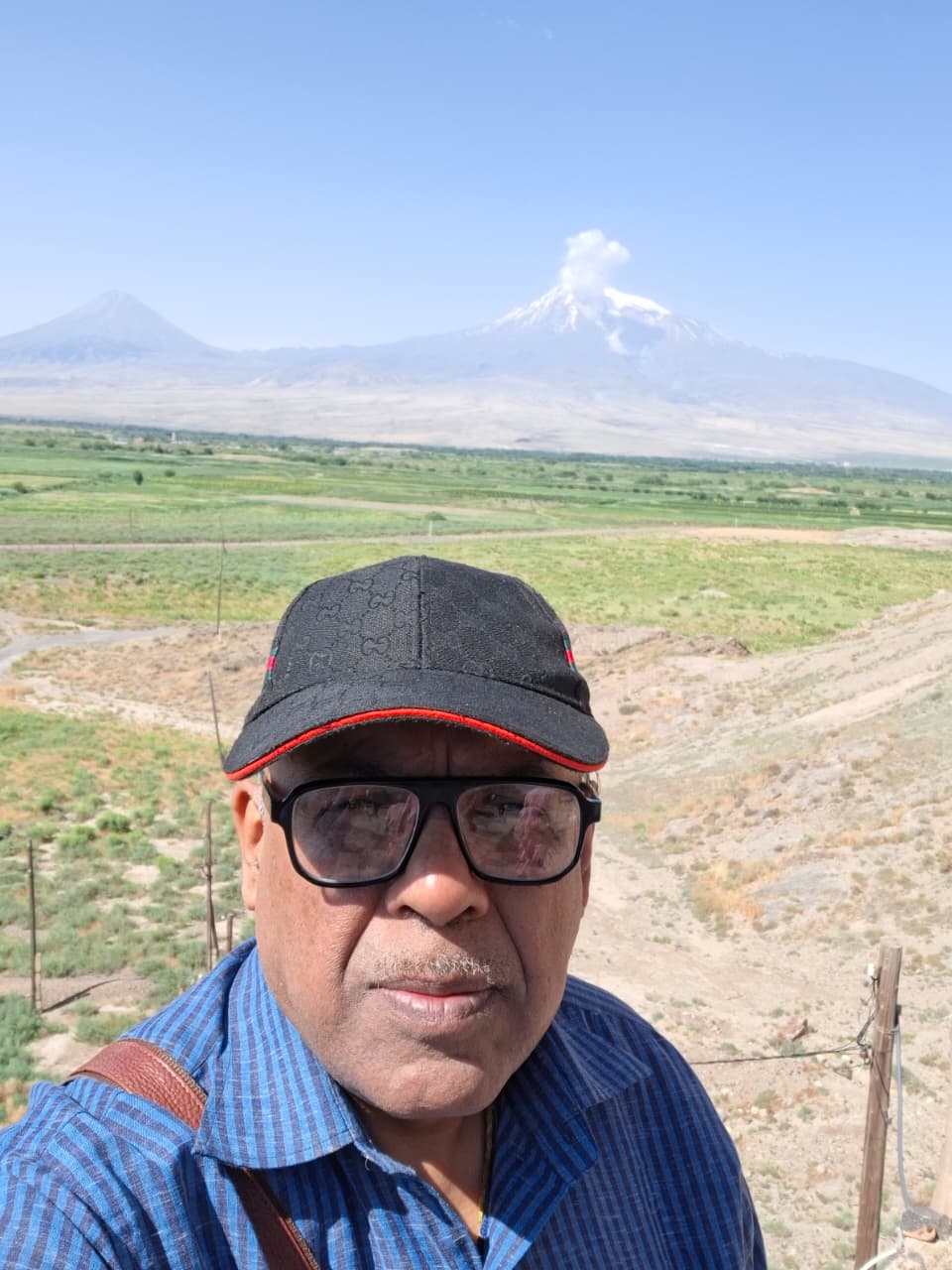
Khor Virap
A sacred monastery overlooking routes once used by Silk Road travelers entering Armenia.
Get the complete Field Notebooks in your inbox
Subscribe to receive weekly dispatches detailing train logistics, border crossing forms, and historical accounts from our future travels.