Gyumri Armenia
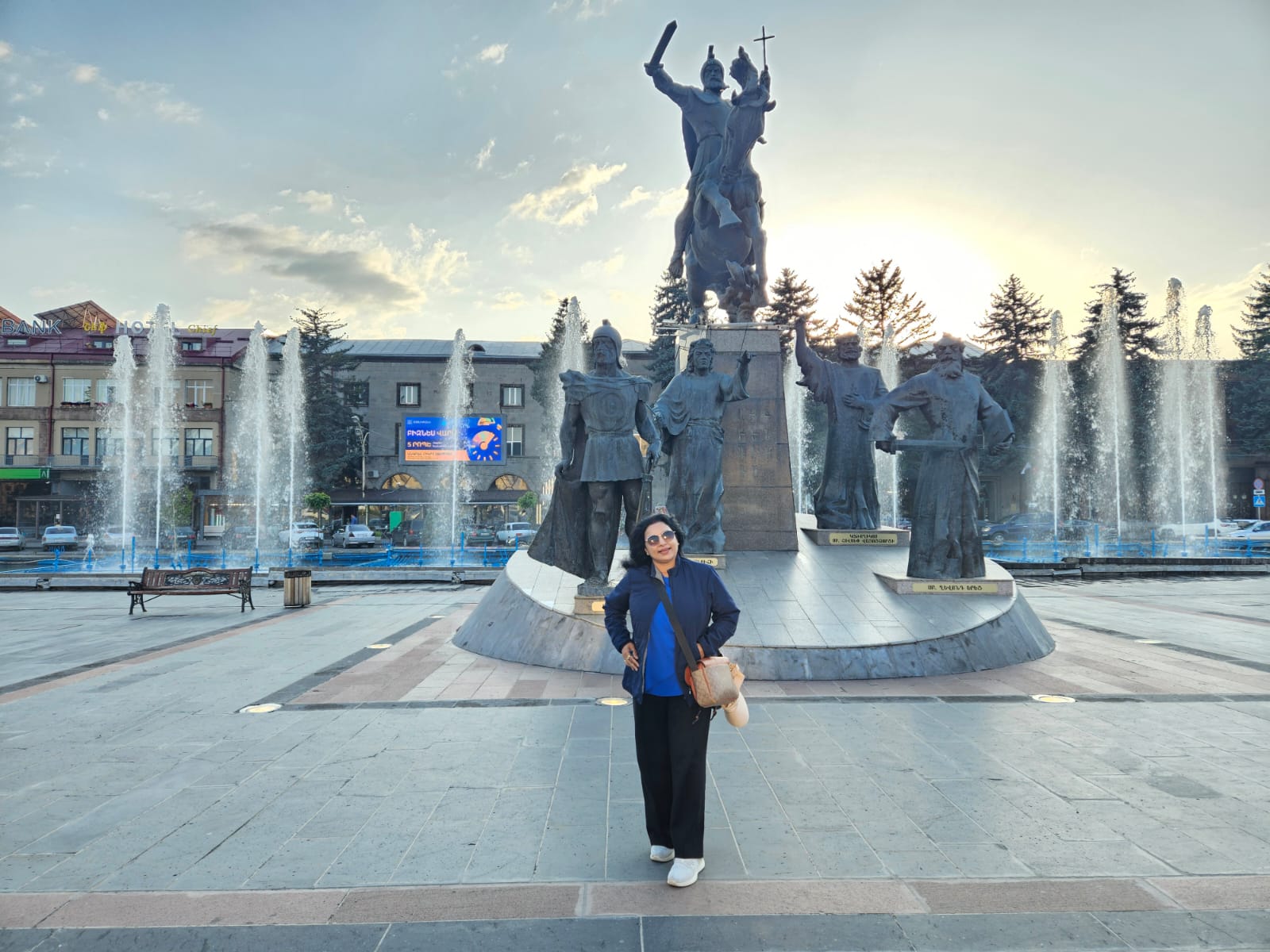
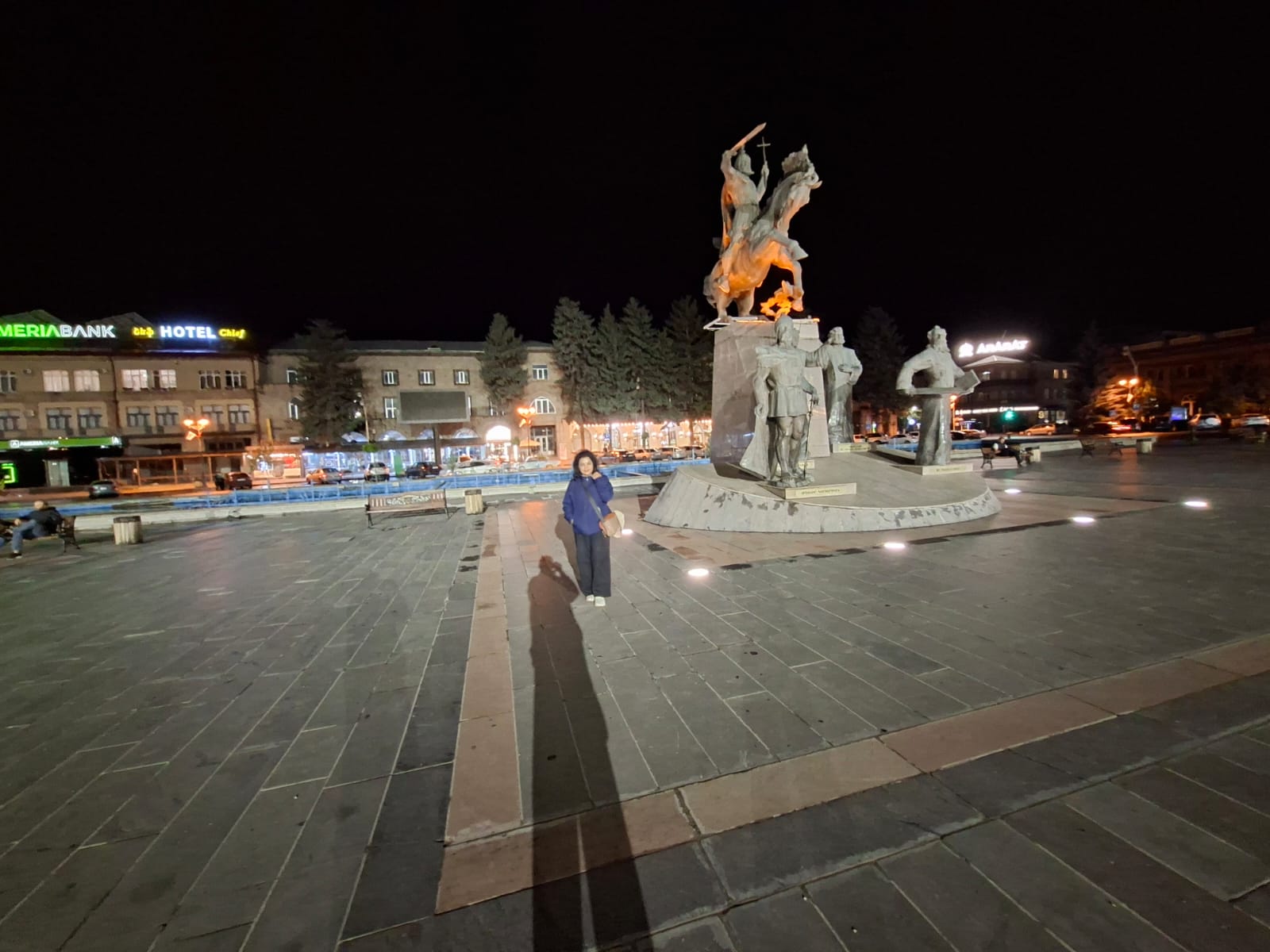
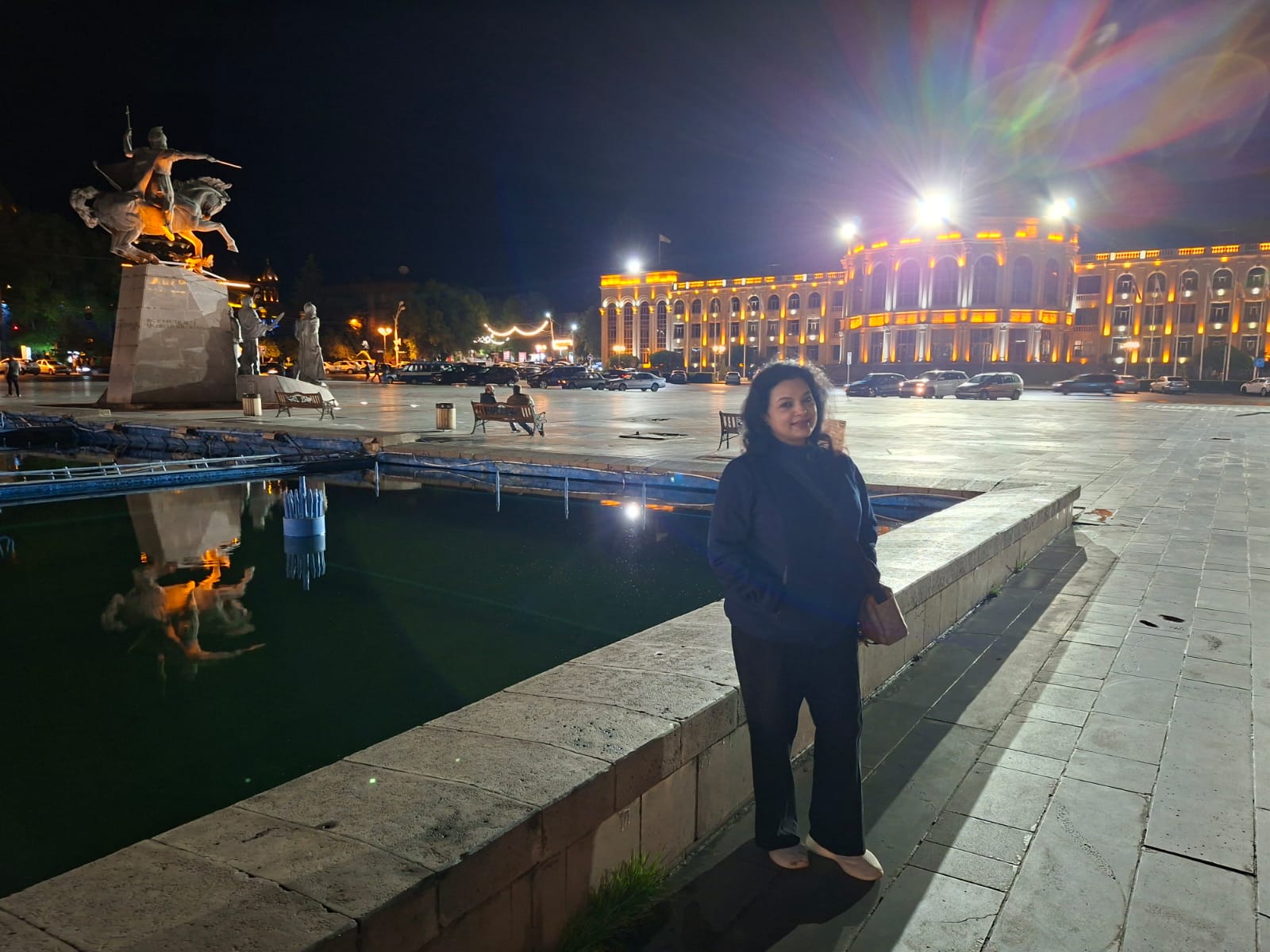
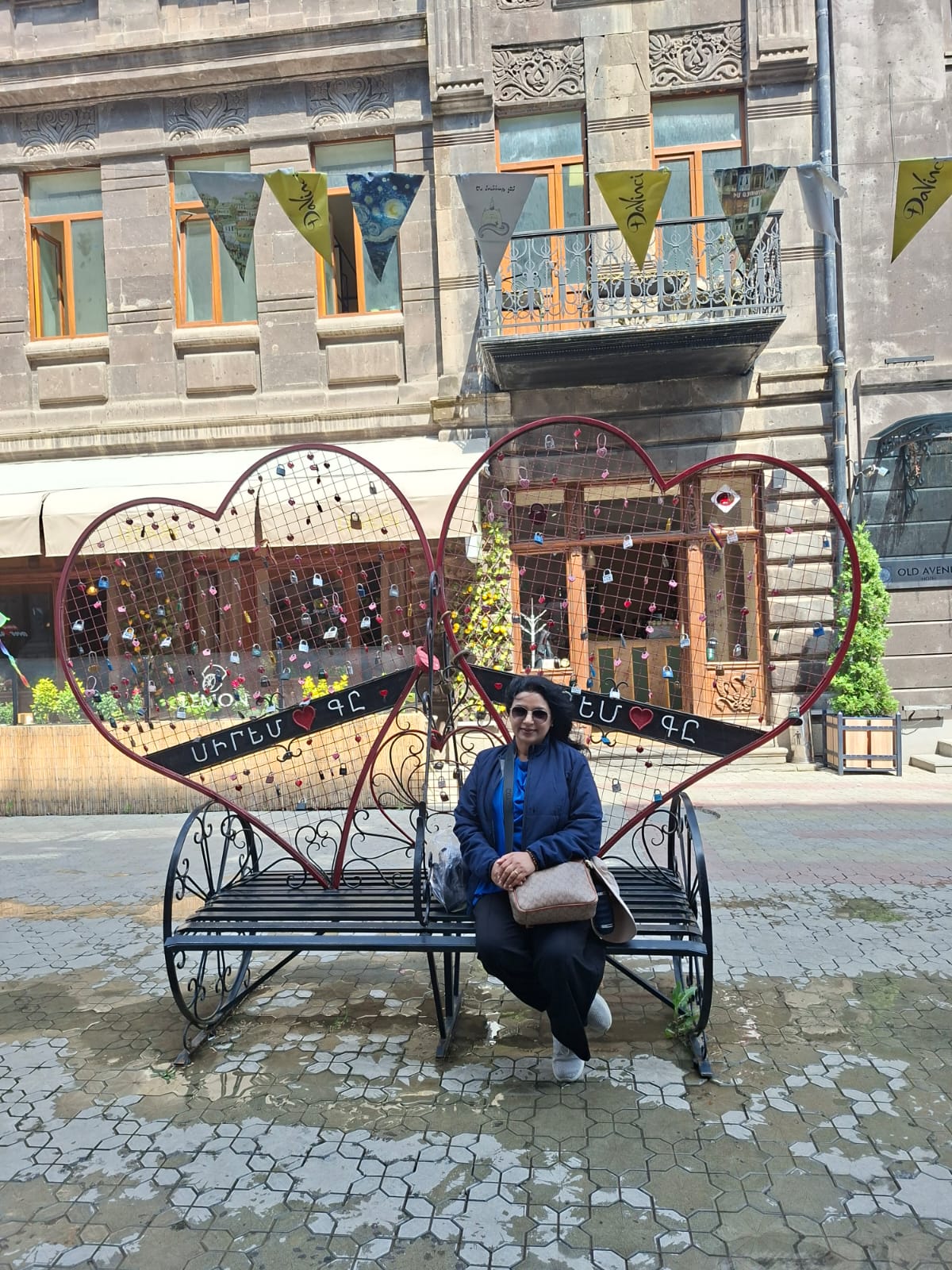
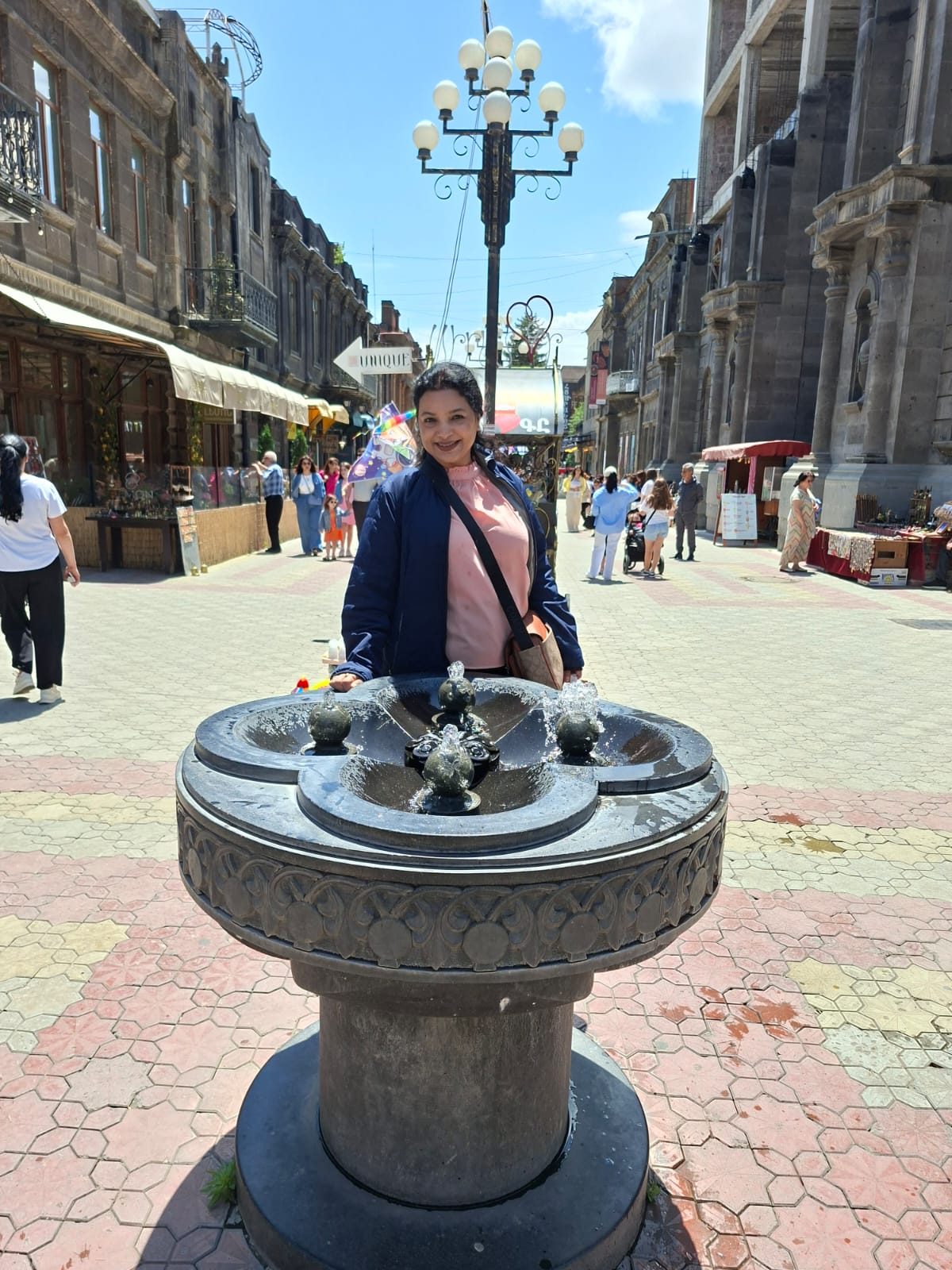
Gyumri was one of the most unexpected highlights of our Caucasus journey. The moment we entered the city, we could feel a completely different atmosphere from Yerevan — slower, calmer, and deeply nostalgic. The black volcanic stone buildings, old balconies, and quiet streets gave Gyumri a timeless charm.
Walking through the historic Kumayri district felt like stepping into another era of Armenia's rich past. Beautiful heritage architecture, lively public squares and warm local hospitality made Gyumri one of the most memorable destinations of our Armenian journey.
City of Black Tuff
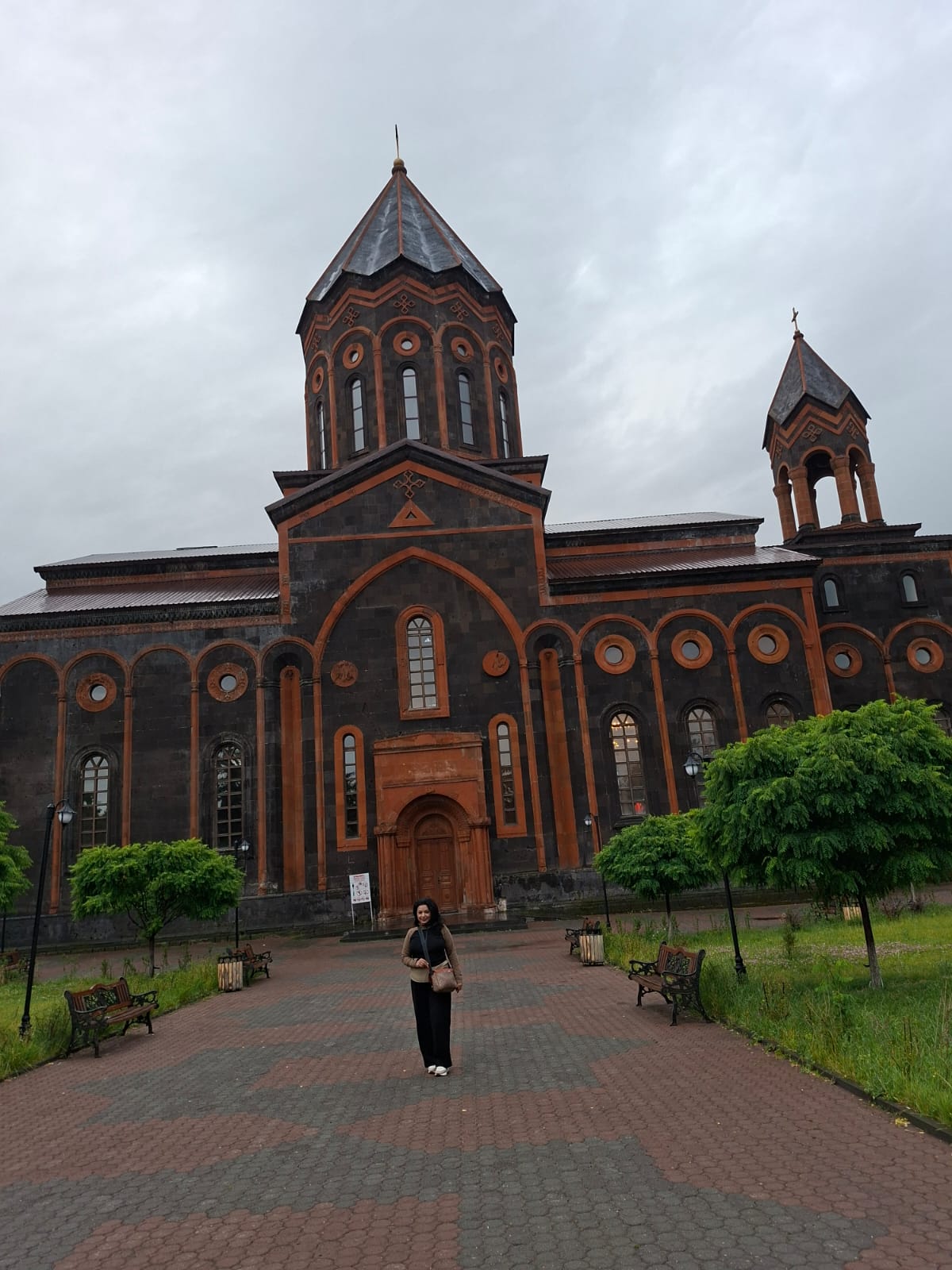
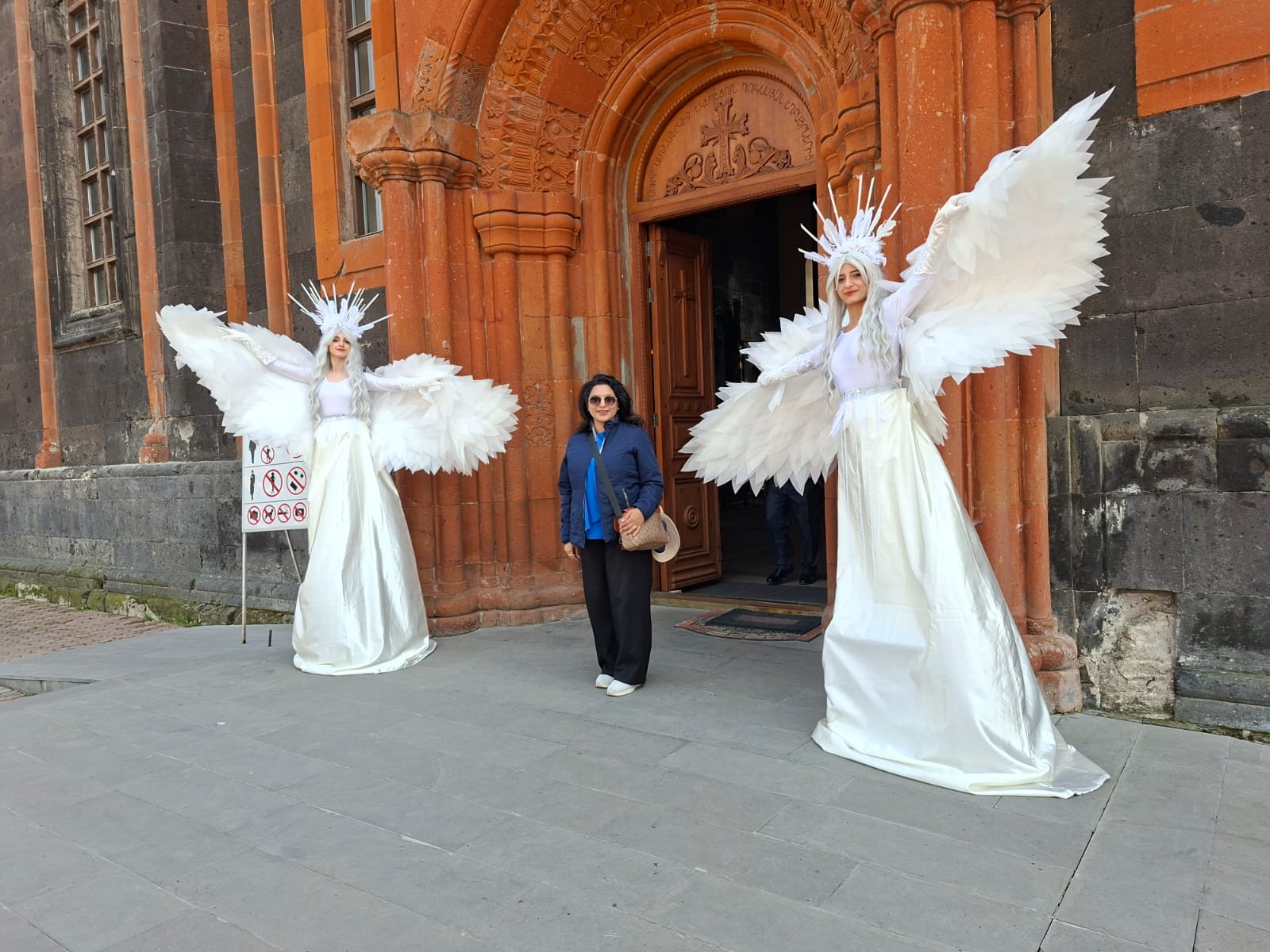
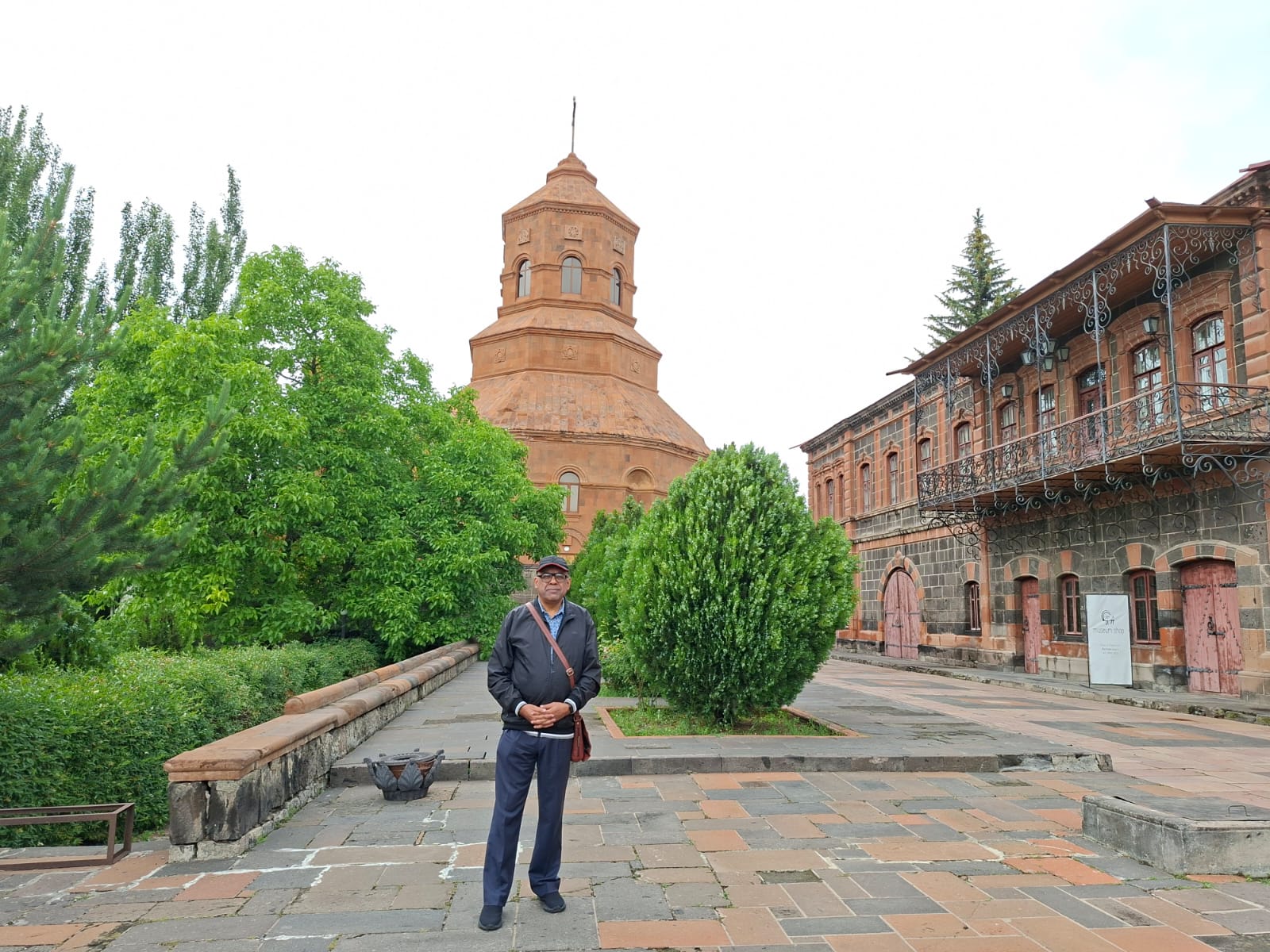
Gyumri's architecture stands out for its nineteenth-century Alexandropolian classical style, beautifully combining Russian imperial urban planning with traditional Western Armenian stone craftsmanship. Known as the City of Black Tuff , the city's buildings display striking contrasts created by dark volcanic stone highlighted with warm orange and red tuff.
Throughout the historic Kumayri district, beautifully carved facades, elegant wrought-iron balconies, arched entrances and peaceful courtyards preserve the city's unique character. Walking these streets feels like stepping back into the golden age of nineteenth-century Armenia.
The Black Fortress
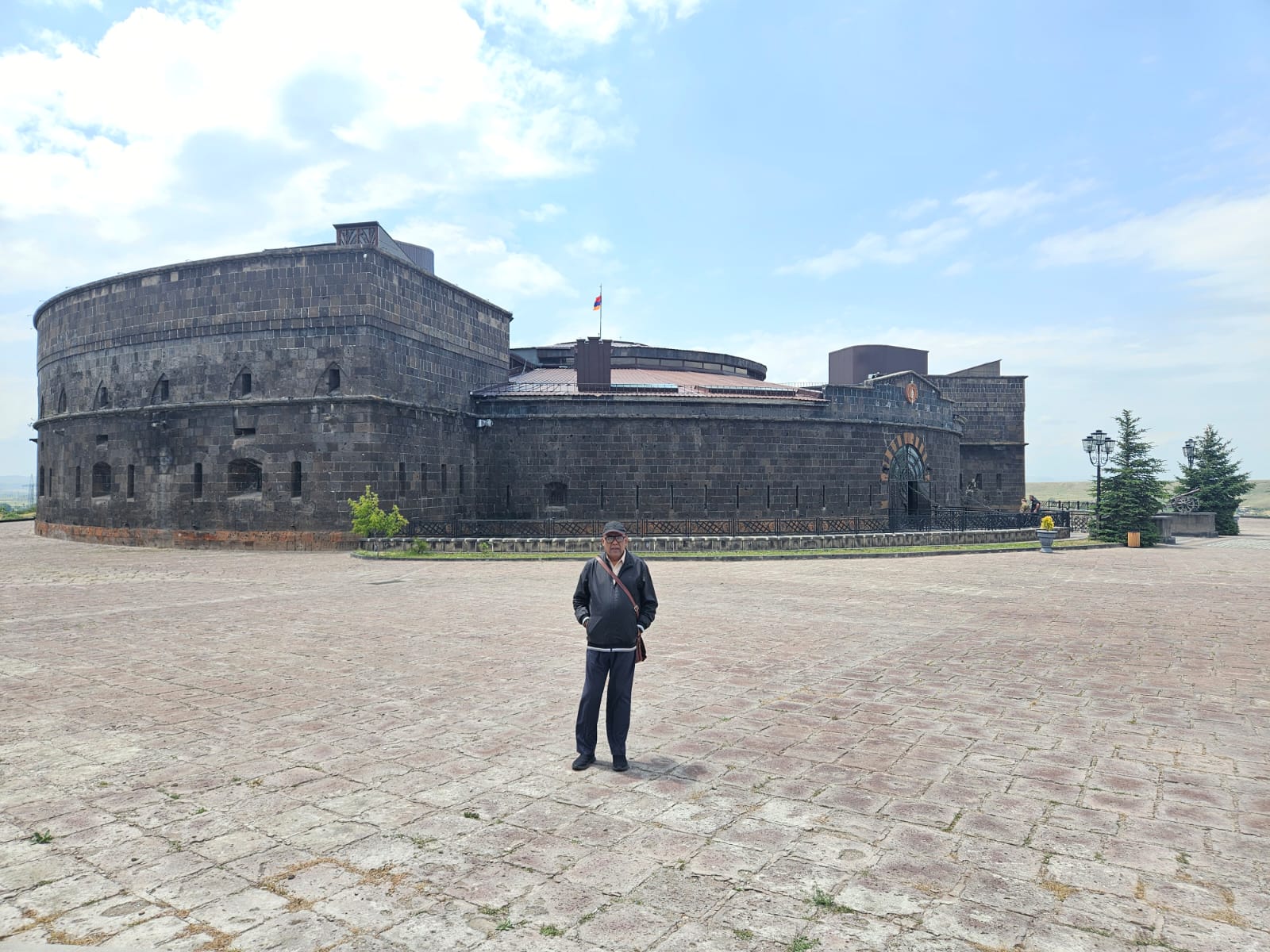
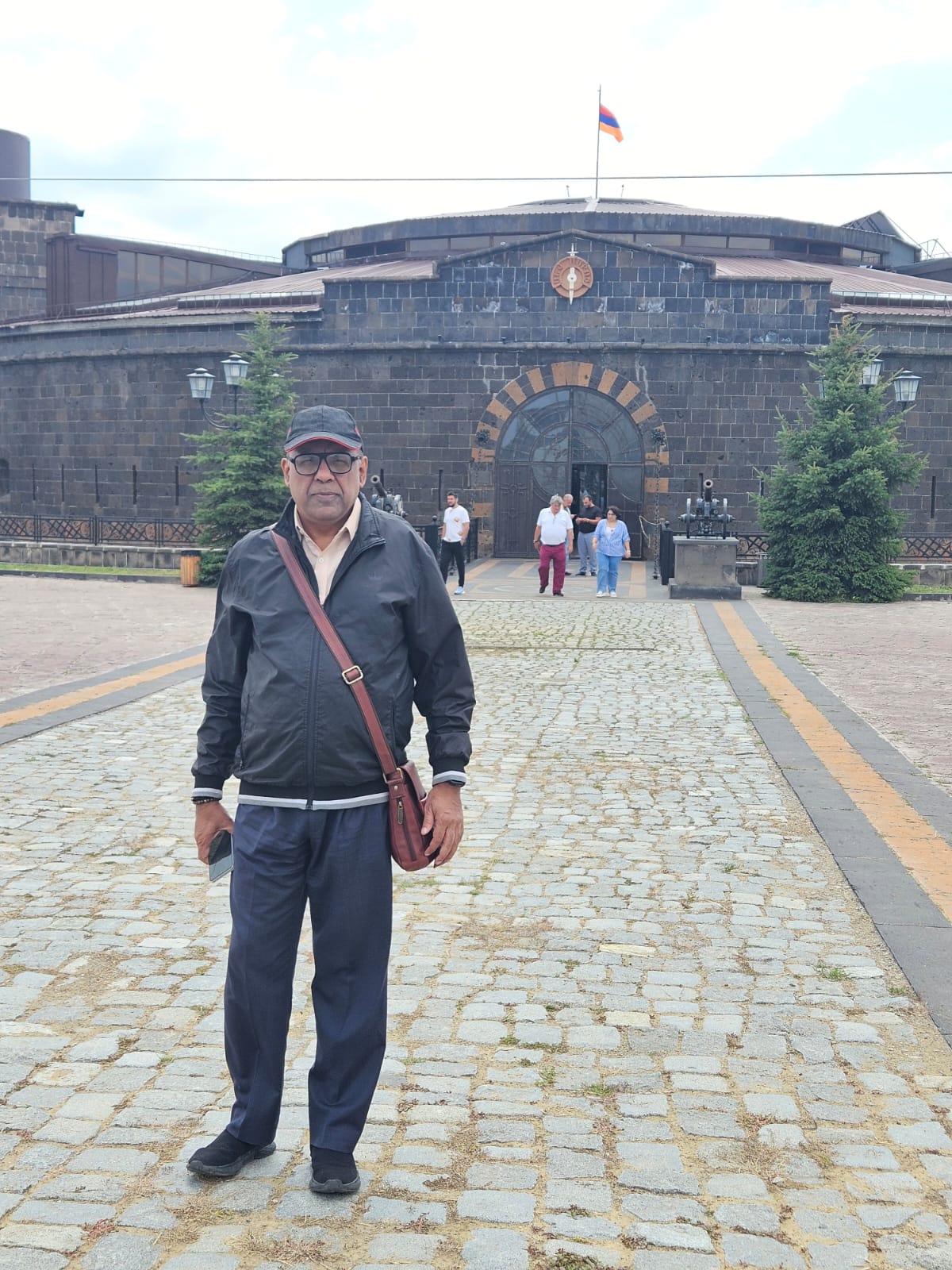
Sev Berd, popularly known as the Black Fortress, is one of Gyumri's most iconic landmarks. Built between 1834 and 1847 after the Russo-Turkish War, this massive circular fortress was constructed entirely from dark volcanic tuff stone, giving it its distinctive appearance.
Originally serving as a strategic military outpost, prison and ammunition warehouse, the fortress today has been beautifully restored into a modern cultural centre. Its underground tunnels, thick defensive walls and impressive architecture offer visitors a fascinating glimpse into Armenia's military history.
Anecdotes Wall
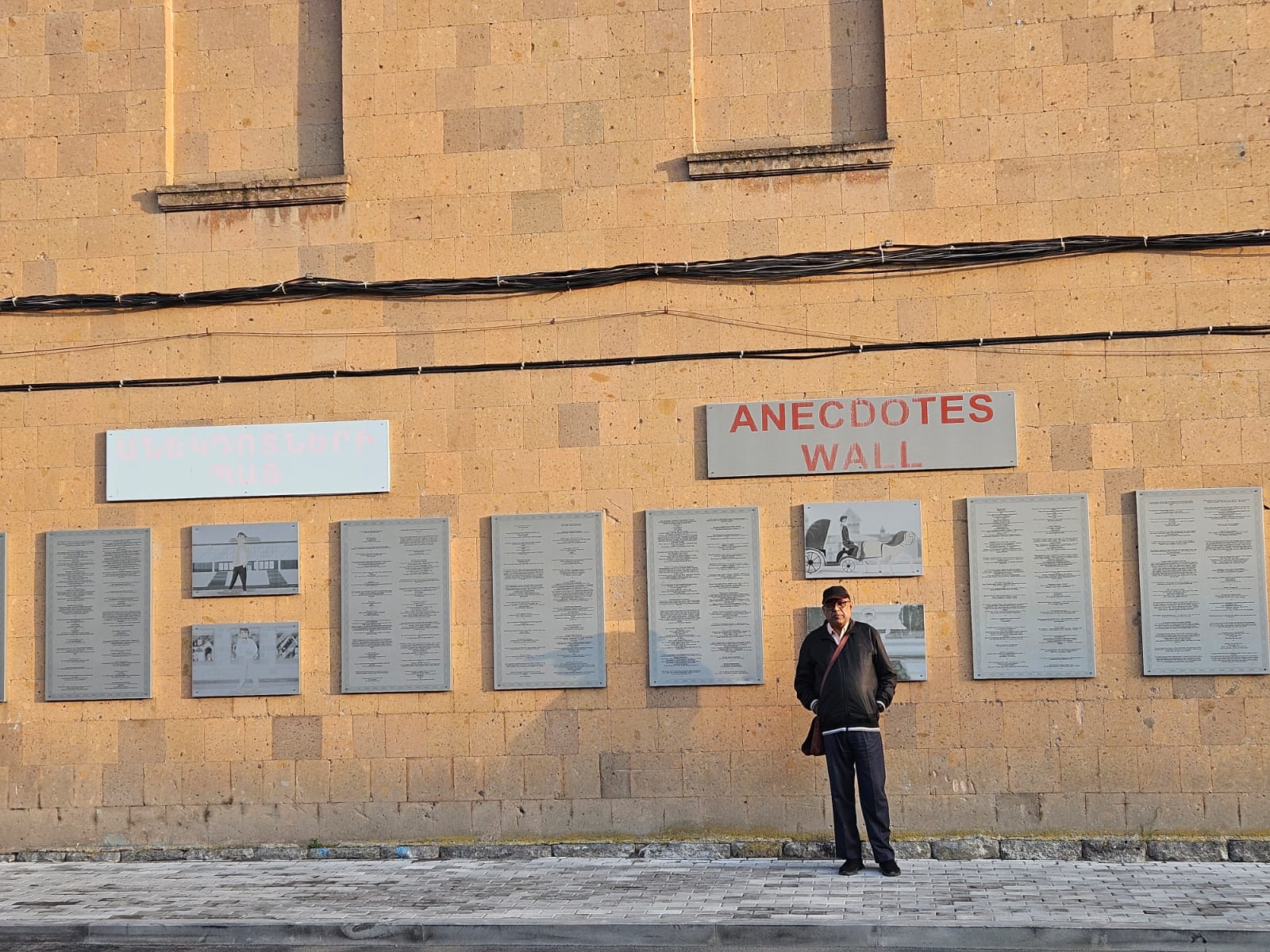
The Anecdotes Wall in Gyumri perfectly captures the soul of this remarkable Armenian city — witty, artistic and deeply human. Walking through the narrow streets lined with black tuff stone buildings, I came across this fascinating open-air gallery where humor, local wisdom and everyday life are displayed for everyone to enjoy.
Written in Armenian, and in some places translated into English and Russian, these anecdotes celebrate the legendary Gyumri sense of humor. More than street art, the wall feels like a conversation with the people of Gyumri—warm, resilient and endlessly creative despite the city's difficult past.
The True Heart & Soul of Armenia
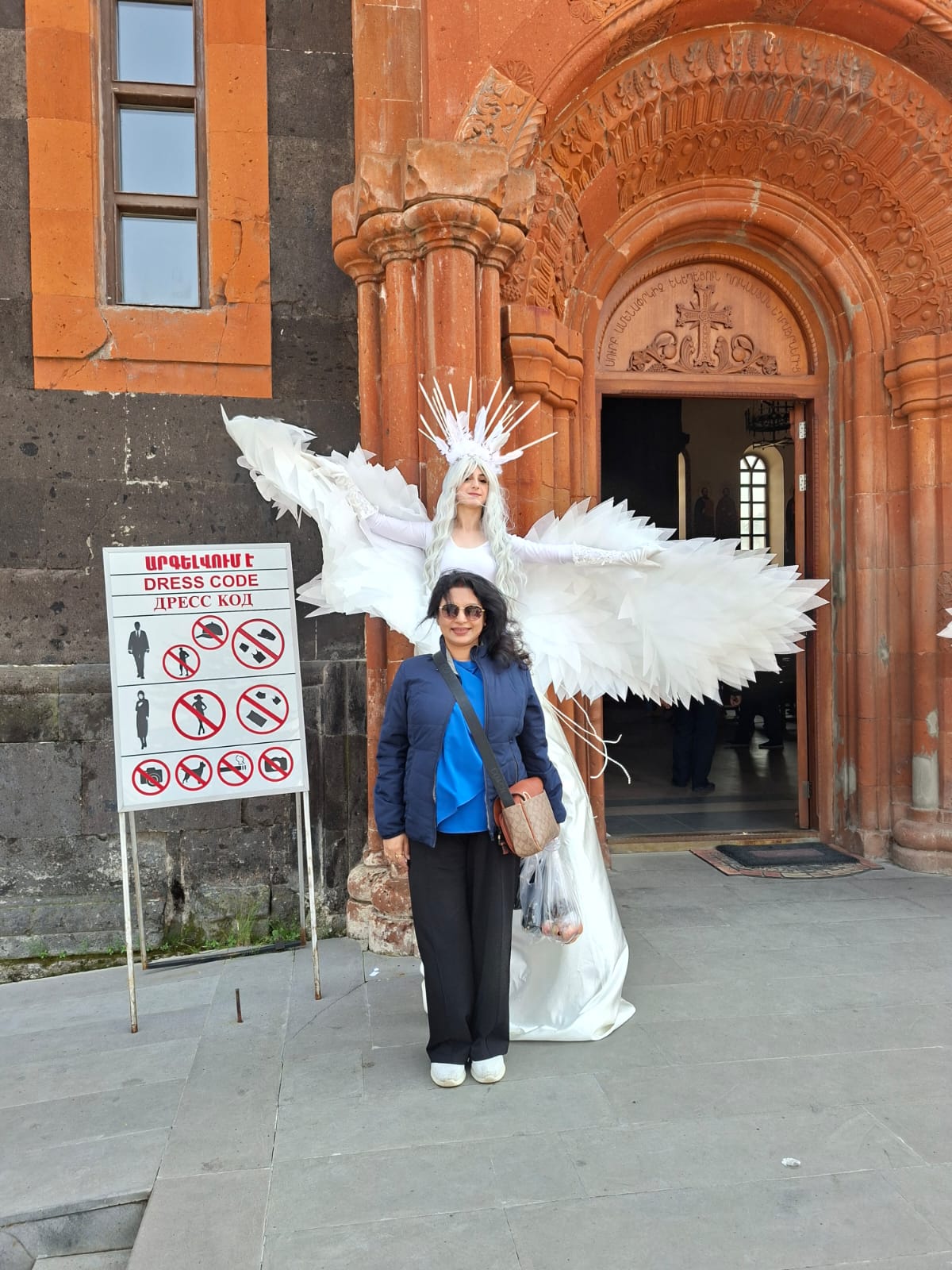
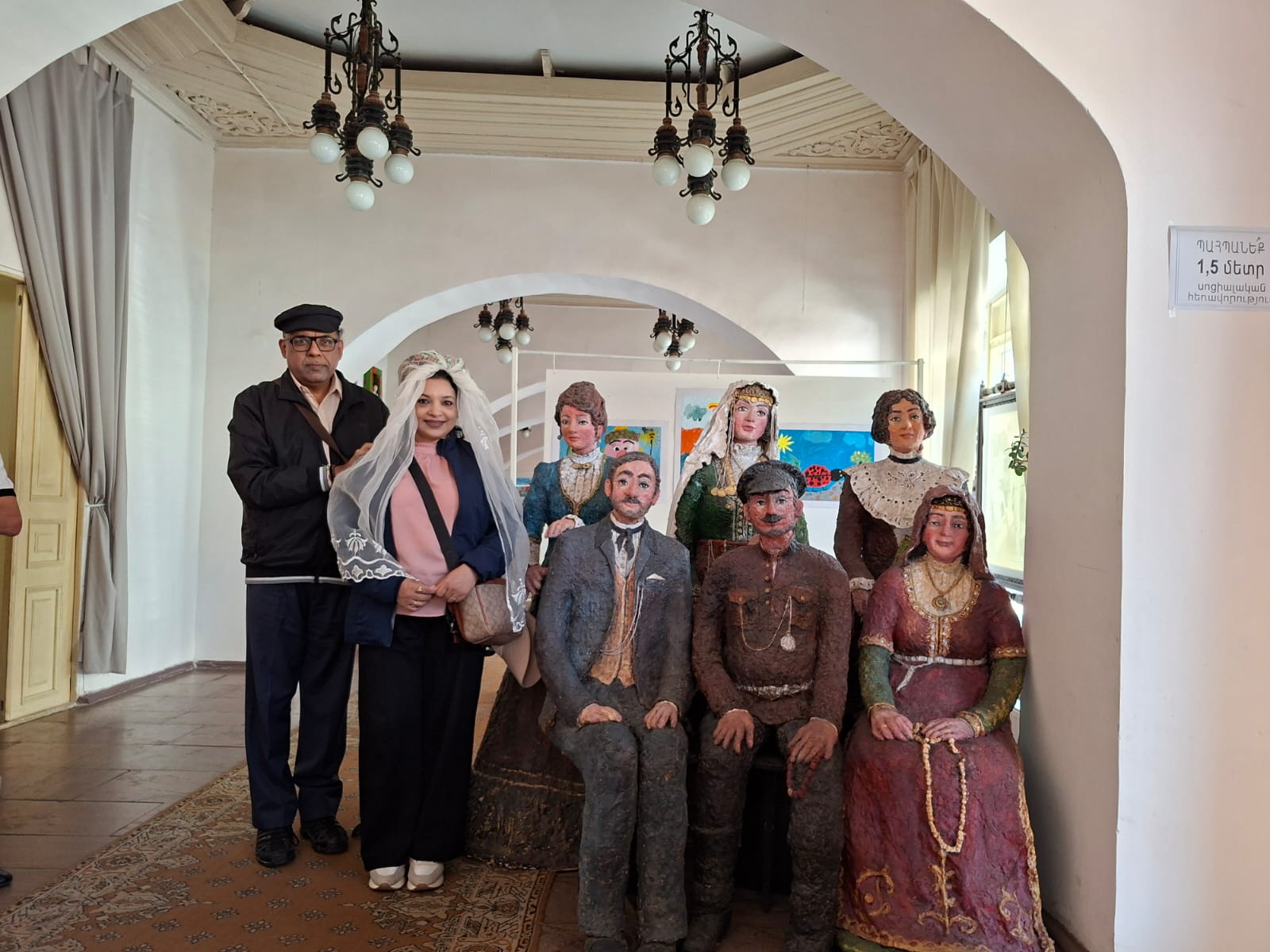
As evening arrived, the cool mountain breeze and golden light over the old stone churches created a magical atmosphere. Sitting quietly in a café watching local life unfold became one of those travel moments that remain in memory long after the journey ends.
Gyumri may not appear on every tourist itinerary, but for me, it captured the true heart and soul of Armenia. Its welcoming people, remarkable architecture, lively culture, and resilient spirit made this beautiful city one of the most unforgettable destinations of our entire Caucasus journey.
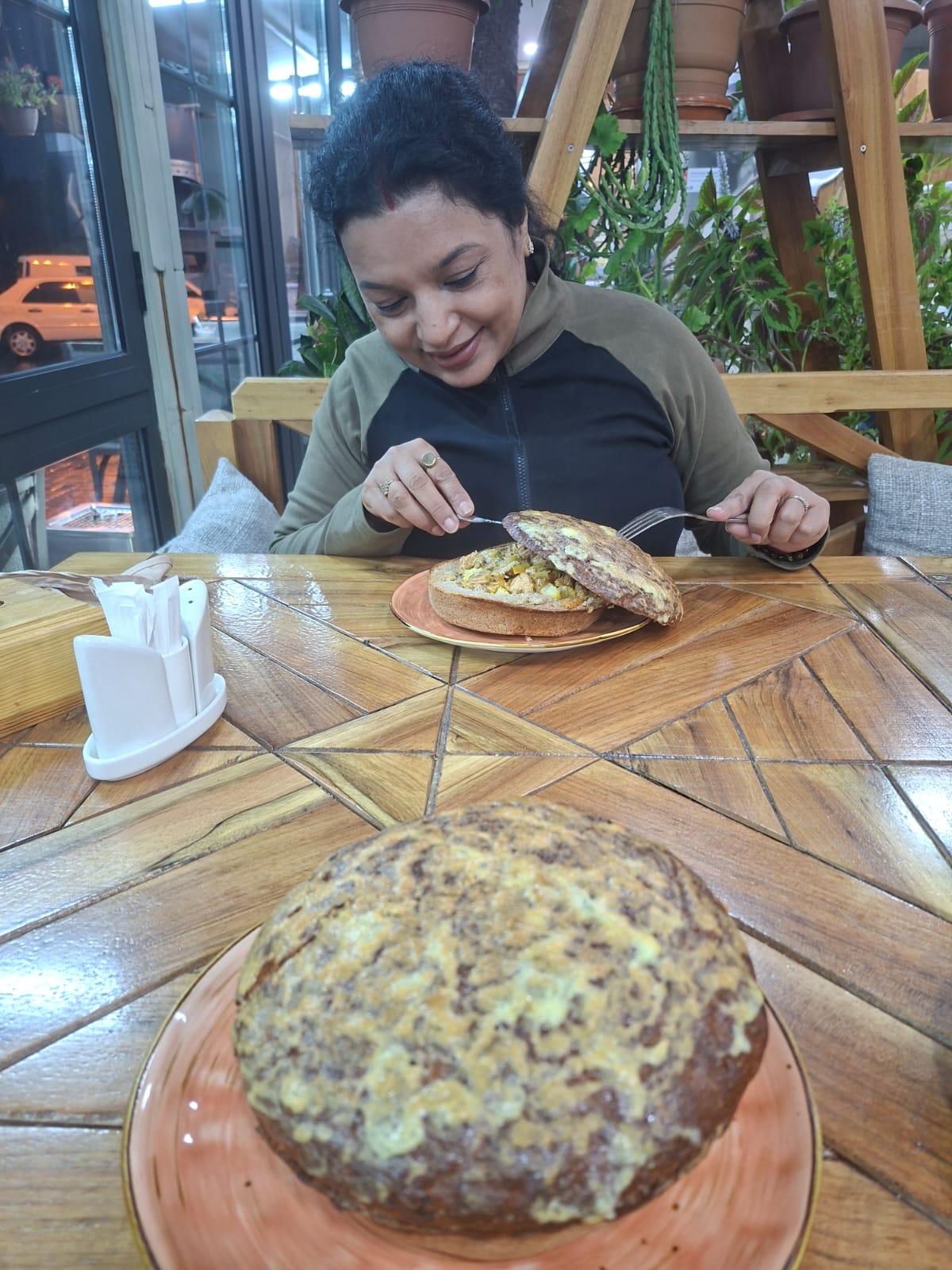
Khurjin
Khurjin is one of Gyumri's most beloved traditional dishes, named after the traveler's saddlebag once used to carry food during long journeys. Tender chicken is slow-cooked with potatoes, onions, peppers and aromatic local herbs before being packed inside a rustic round loaf of bread.
The bread is baked until golden and crispy while its sliced top acts as a lid, trapping steam and allowing the rich broth to soak into the crust. Simply lift the top, tear away the warm bread and enjoy every bite of this comforting Armenian meal.
One of the most comforting and memorable meals we enjoyed during our Armenian journey.
Gyumri :
We Met a Long Lost Relative
In Gyumri, we stayed at Hotel SESIL, a small family-run hotel managed by a husband-and-wife team. Its excellent reviews and surprisingly modest tariff first caught my attention, but nothing had prepared us for the warmth that awaited inside. The genuine care, thoughtful hospitality, and constant concern for our comfort surpassed anything we have experienced in any hotel, regardless of its star rating.
Although they had never visited India, they spoke with remarkable familiarity about Indian traditions and family values, having learned much through Indian television serials. Conversations with them felt effortless, as though we were reconnecting with people we had known for years.
When the time came to leave Gyumri, saying goodbye was unexpectedly emotional. We realised that we had not simply come to visit a city—we had come to meet long-lost relatives we never knew we had.
“Sometimes the most unforgettable destination isn't a place — it's the people who make you feel at home.”
Navigate the Caravan Route
Read Next: Other Dispatches
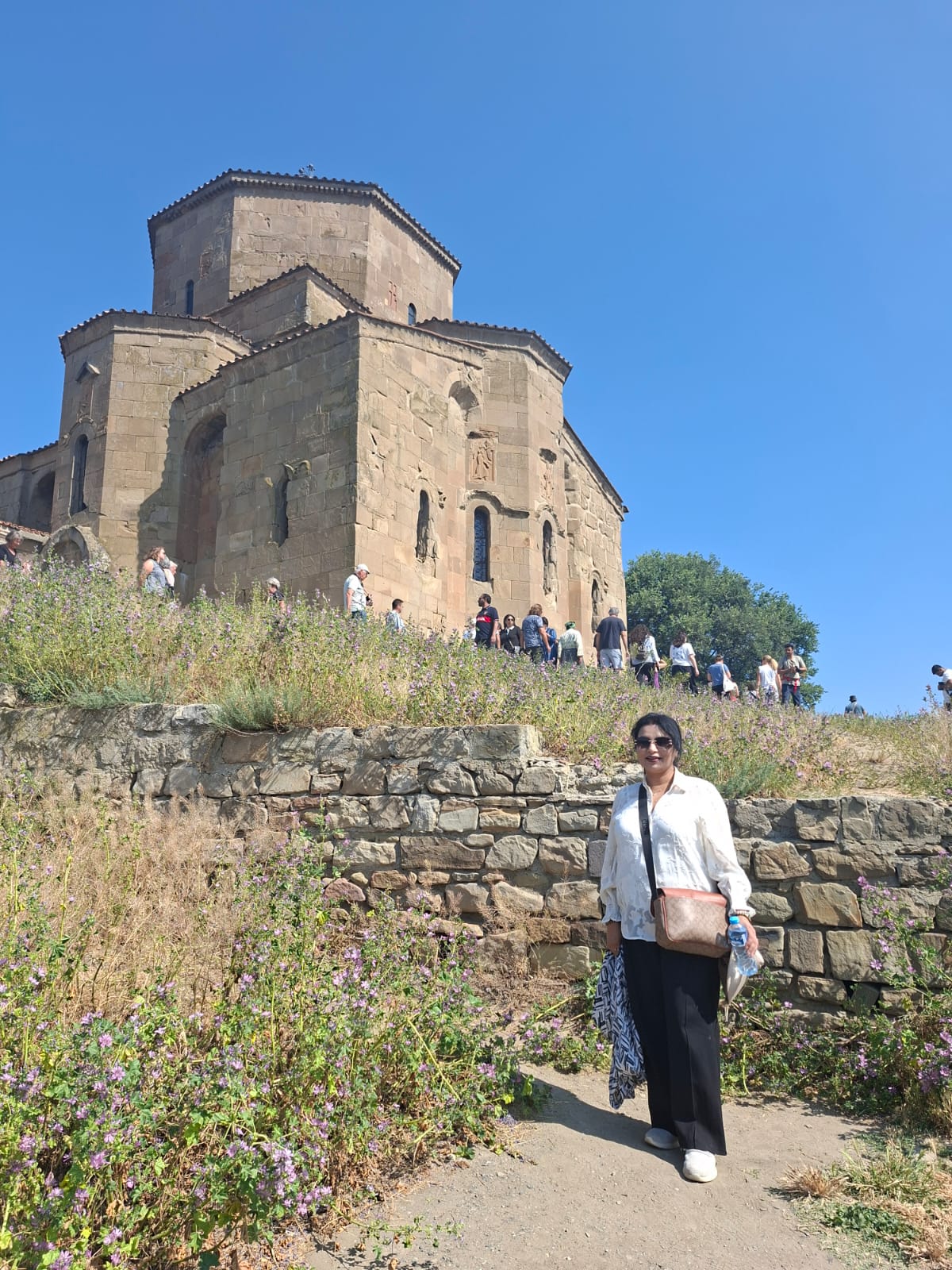
Mtskheta
Georgia's ancient capital, strategically located on routes connecting the Silk Road to the Black Sea.
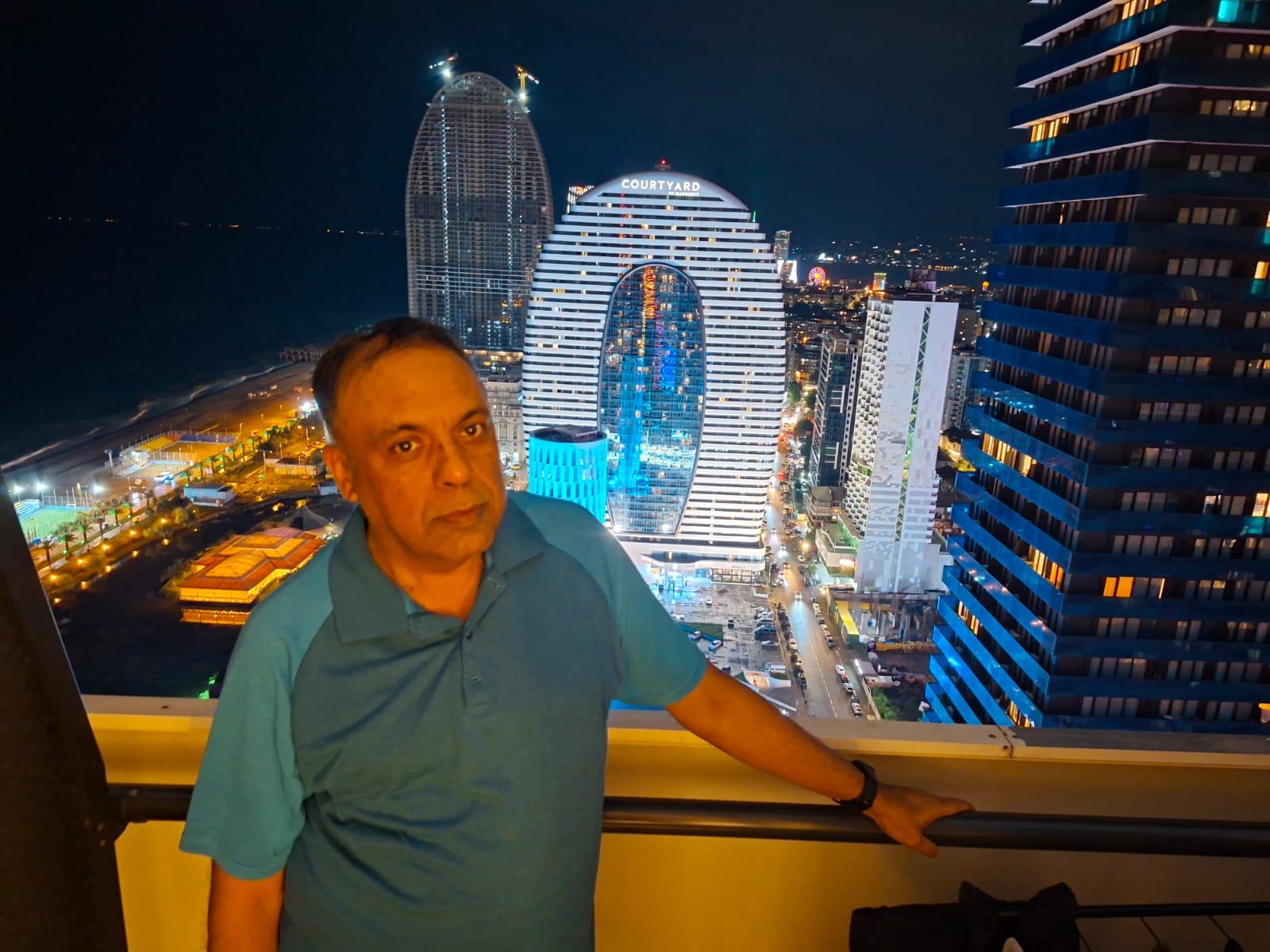
Batumi
A vibrant Black Sea port that served as a western gateway for goods traveling along Silk Road routes.
Get the complete Field Notebooks in your inbox
Subscribe to receive weekly dispatches detailing train logistics, border crossing forms, and historical accounts from our future travels.