MTSKHETA
A Historic Town
Ancient, peaceful, and deeply spiritual, Mtskheta is one of the most historic towns in Georgia and an easy day trip from Tbilisi. Walking through its quiet streets and centuries-old churches felt like stepping back in time. The town is best known for its beautiful monasteries, especially the hilltop Jvari Monastery overlooking the meeting point of two rivers. With its serene atmosphere, religious heritage, and stunning views, Mtskheta left us with a sense of calm that stayed long after the visit ended.
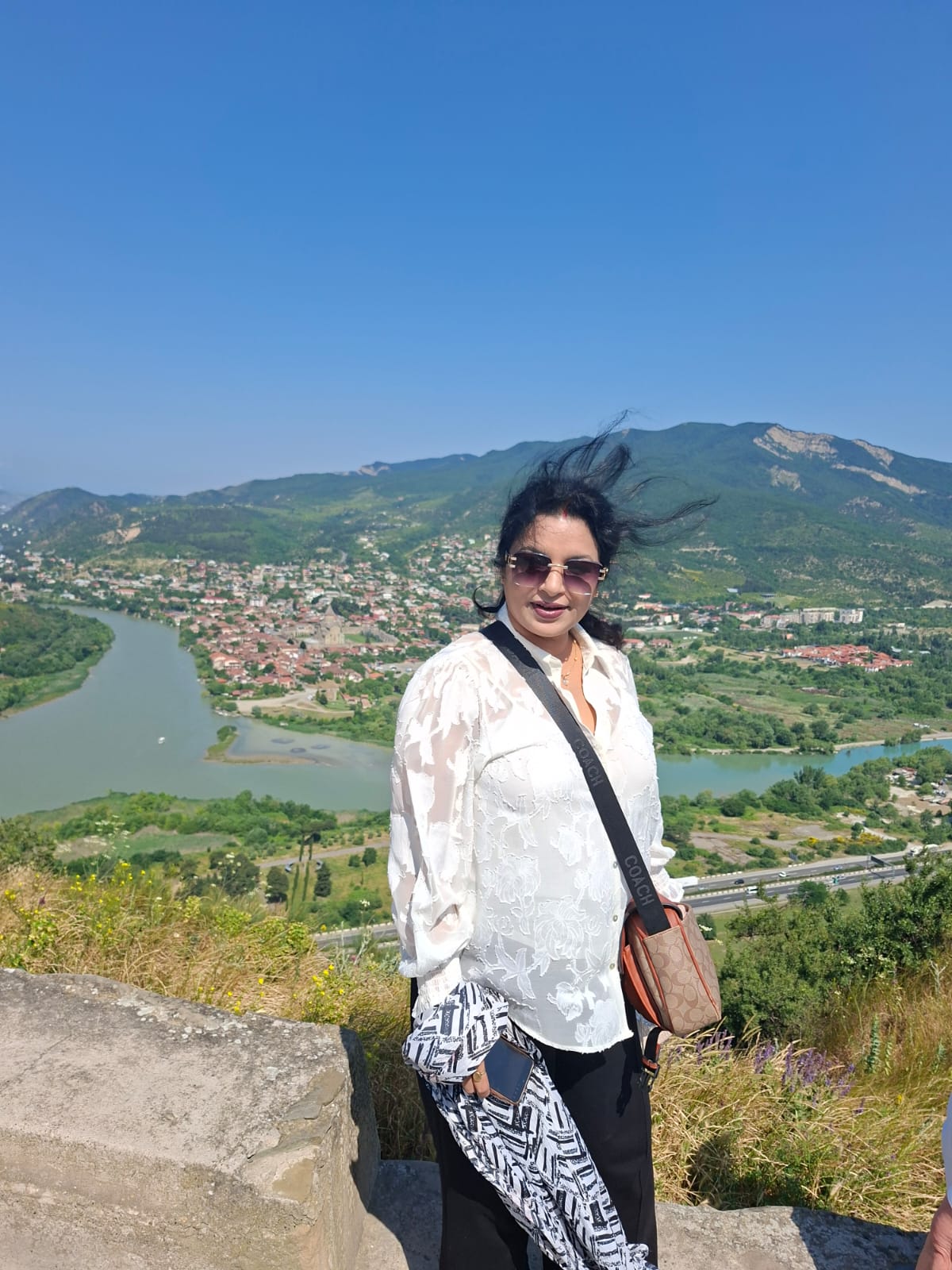
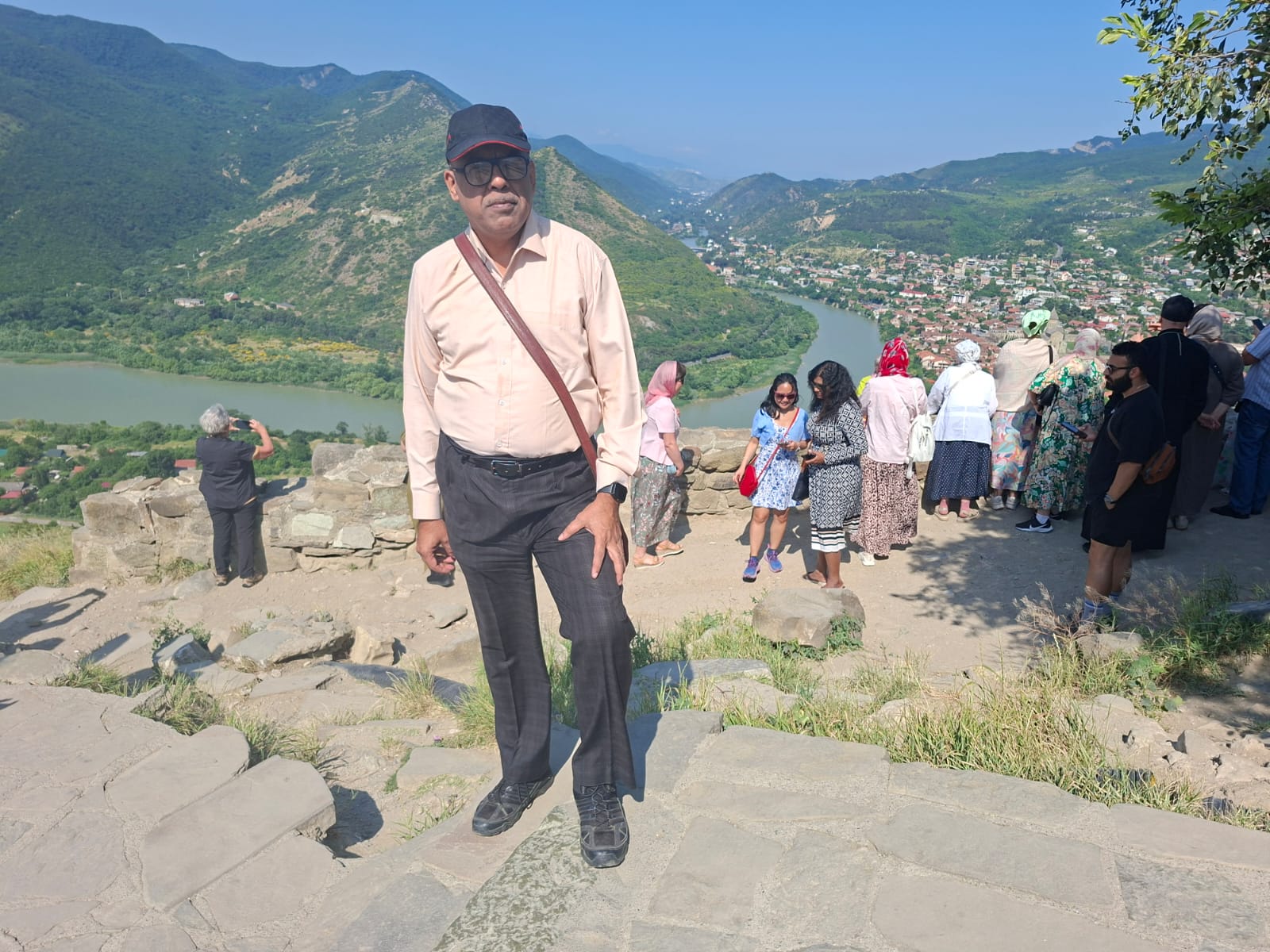
A View of Mtskheta
From Jvari Monastery
The view of Mtskheta from the hilltop Jvari Monastery is truly breathtaking. From the monastery, we could see the ancient town resting peacefully at the confluence of the Aragvi and Mtkvari rivers, surrounded by rolling hills and historic churches.
The panorama felt timeless and spiritual, making it easy to understand why this region holds such importance in Georgian history and Christianity. It was one of those quiet, beautiful moments that remained with us long after we left.
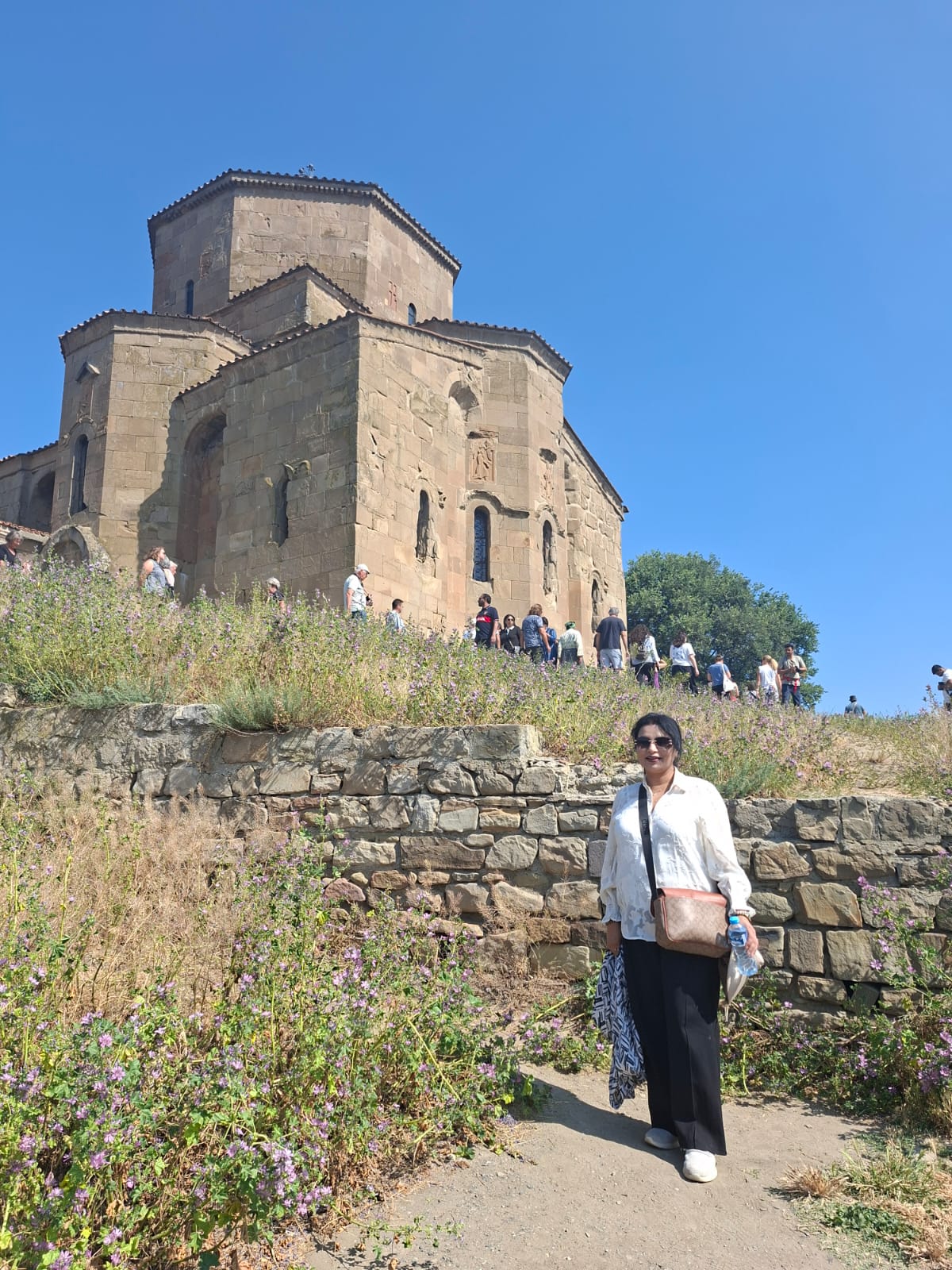
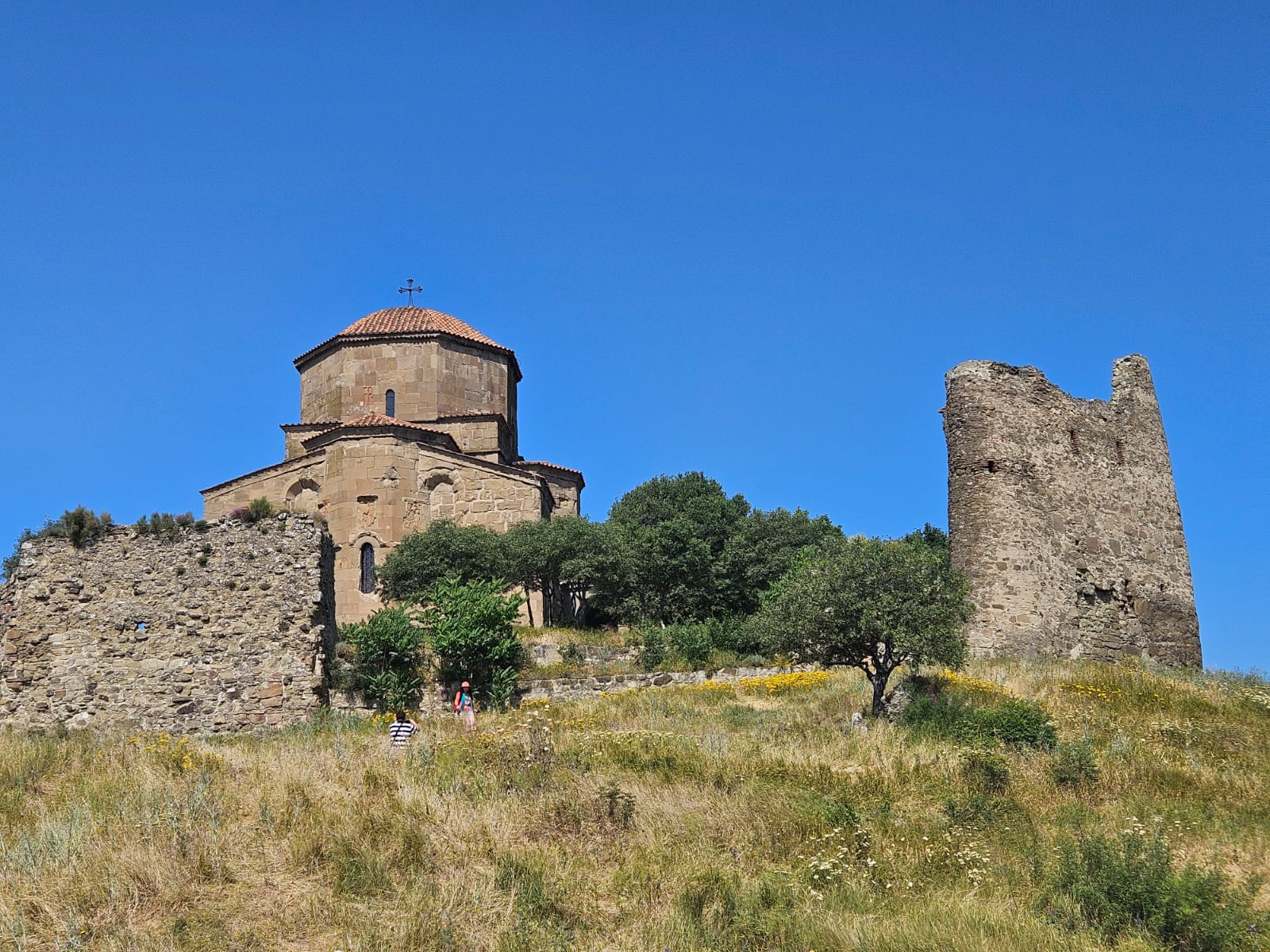
Jvari
Monastery
Built in the early 7th century, Jvari Monastery stands on the hill where Saint Nino is believed to have erected a wooden cross after Georgia embraced Christianity in the 4th century. Overlooking the ancient town of Mtskheta, it is regarded as one of the finest examples of early Georgian church architecture and forms part of the Historical Monuments of Mtskheta.
Today, Jvari Monastery remains one of Georgia's most important religious and historical landmarks. It attracts pilgrims and visitors from around the world, who come to admire its remarkable history, timeless architecture, and breathtaking panoramic views over Mtskheta and the confluence of the Aragvi and Mtkvari rivers.
SVETITSKHOVELI
CATHEDRAL
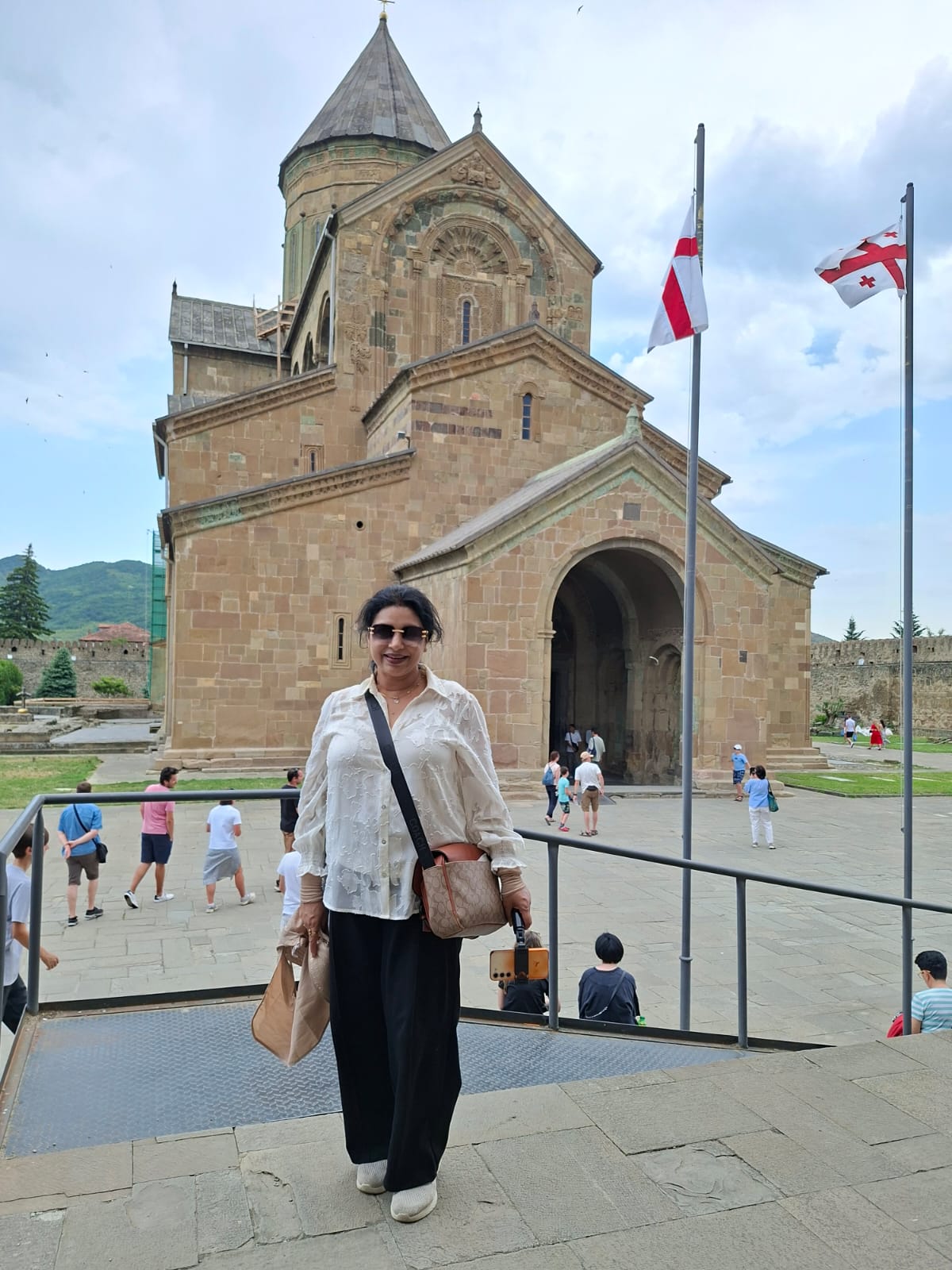
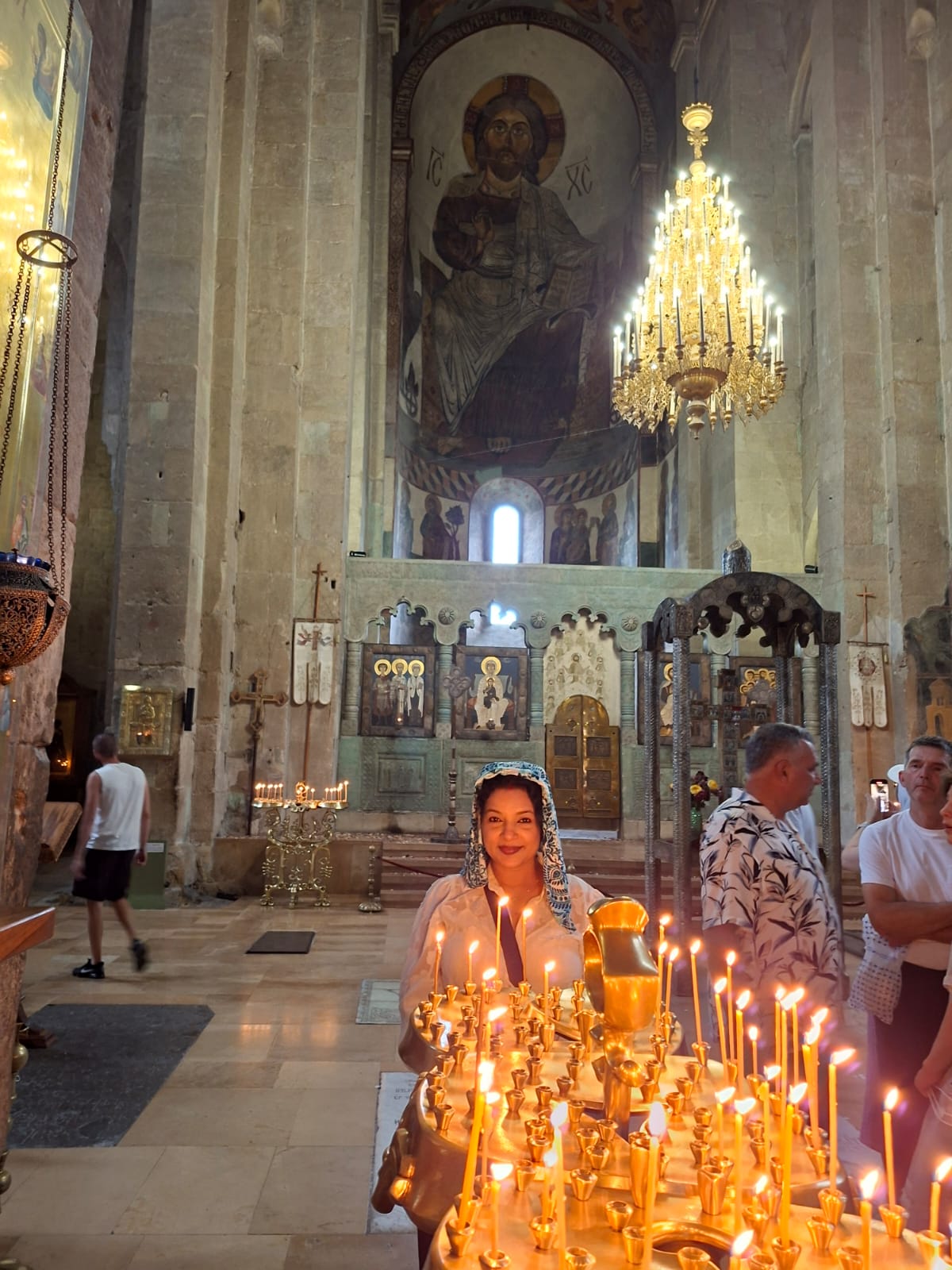
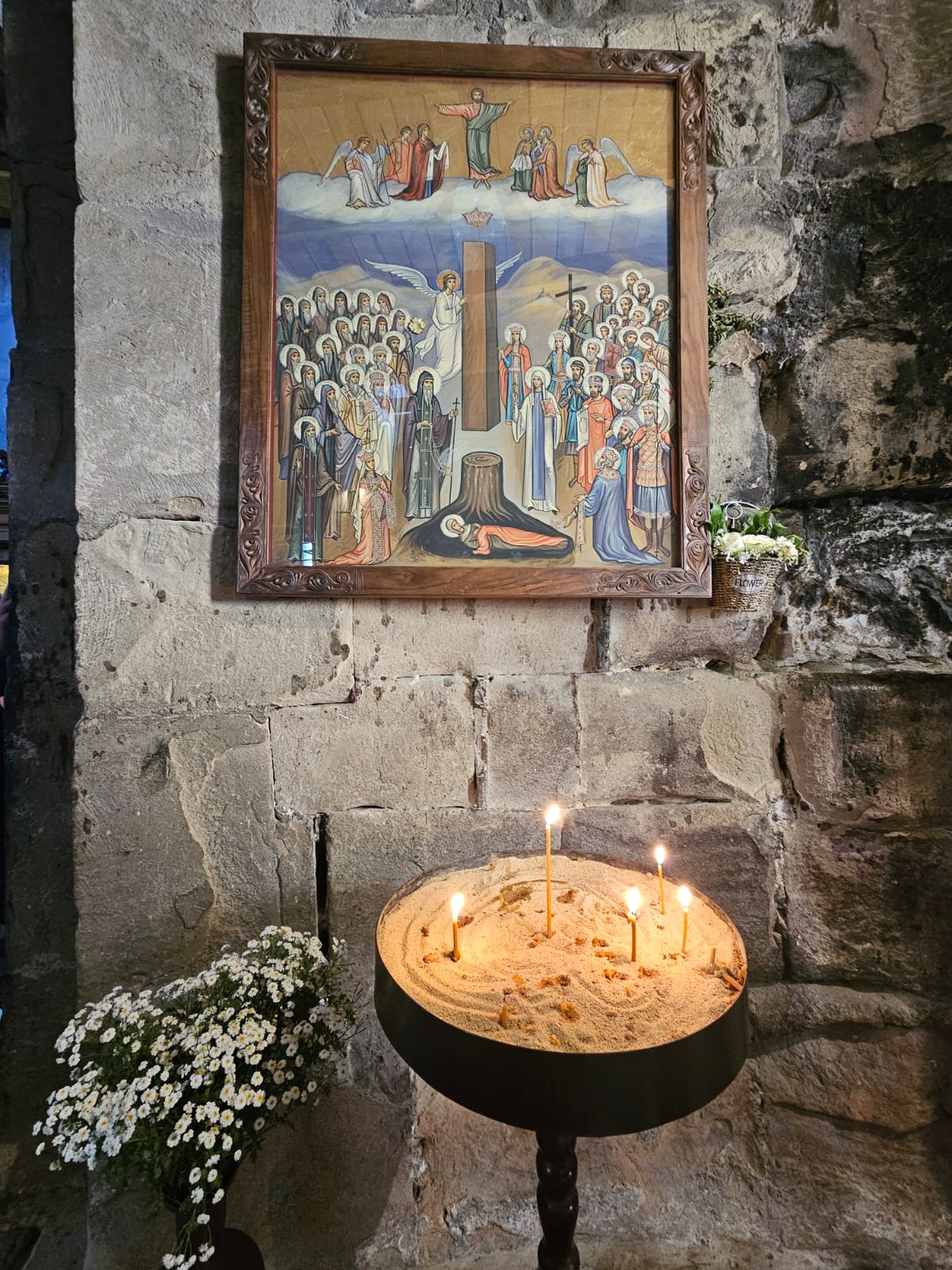
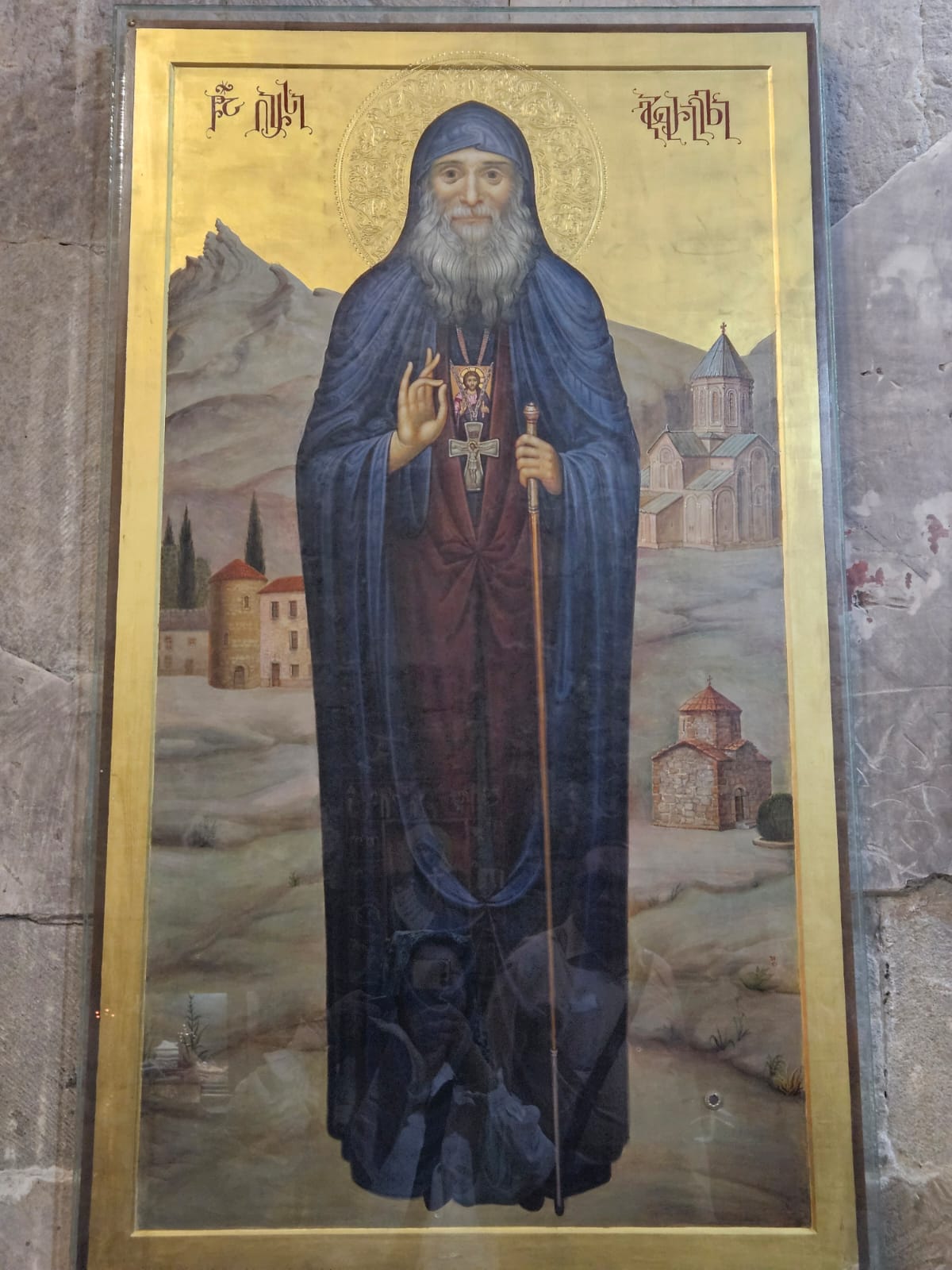
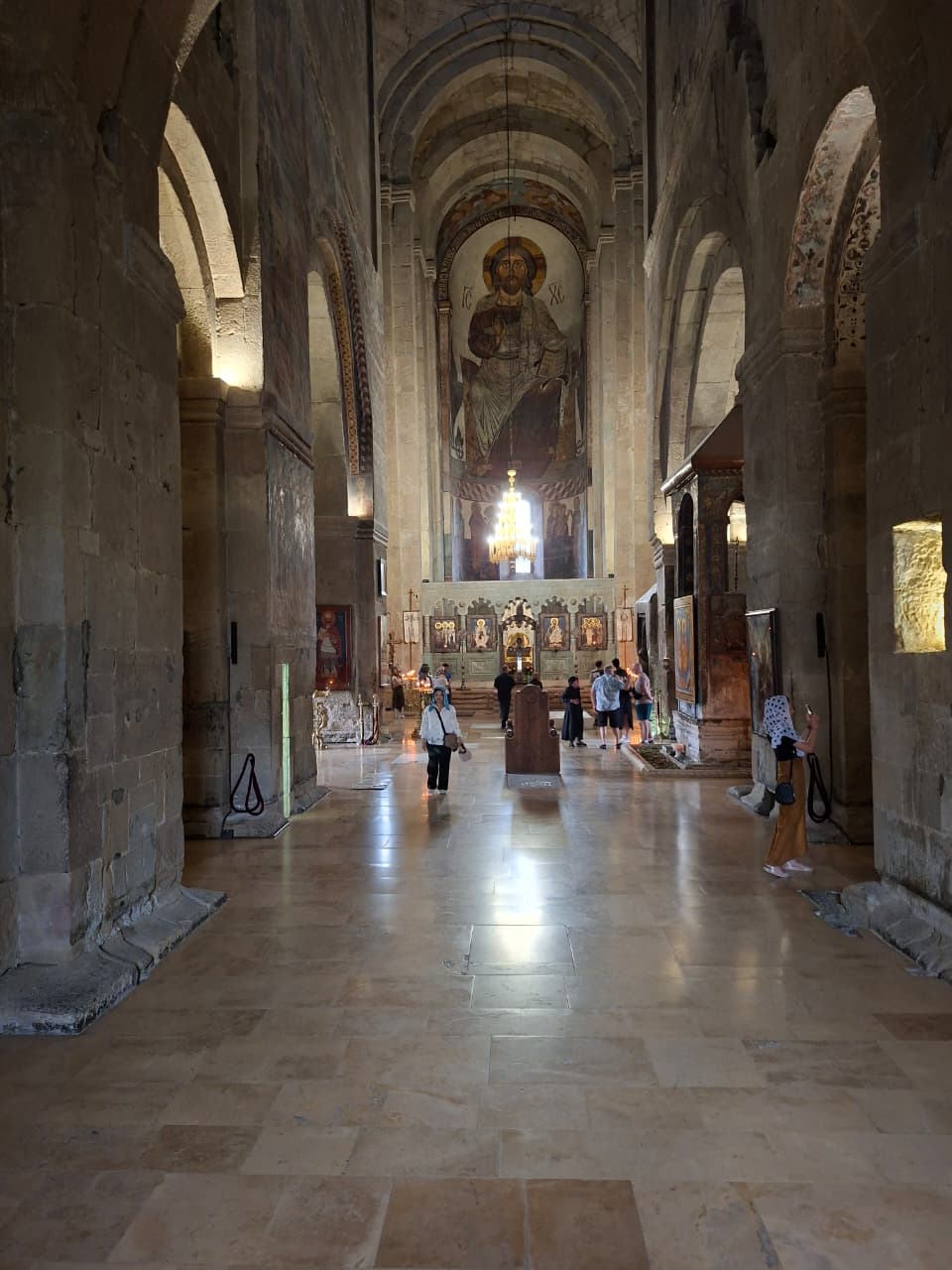
Standing inside the 11th-century Svetitskhoveli Cathedral in Mtskheta, I could practically feel the weight of centuries pressing into the cool, carved stone walls around me. This beautiful, ancient town feels entirely frozen in time, but it was the monastery itself that completely captured me—it felt profoundly peaceful and spiritually powerful in a way that is hard to put into words.
As Georgia's spiritual heart, this towering UNESCO World Heritage site is wrapped in incredible layers of history and myth, from the legendary burial of Christ's robe beneath its floors to its role as the final resting place for ancient kings. Gazing up at the soaring arches and centuries-old frescoes, I realized this masterpiece is more than just an architectural wonder; it is a living, breathing sanctuary that leaves you feeling deeply grounded and moved.
Mtskheta:
At the Crossroads
of the Silk Routes
Visiting Mtskheta was much more than exploring Georgia's ancient capital—it felt like standing at a crossroads where history, faith, and commerce once met.
As I wandered through its peaceful streets and admired the centuries-old churches, it was fascinating to imagine merchants, pilgrims, and diplomats travelling along the Caucasus branch of the Silk Routes, carrying silk, spices and precious goods between Asia and Europe.
Where trade routes met, cultures flourished and Georgia's spiritual heart was born.
Enjoyed Our
Light Lunch
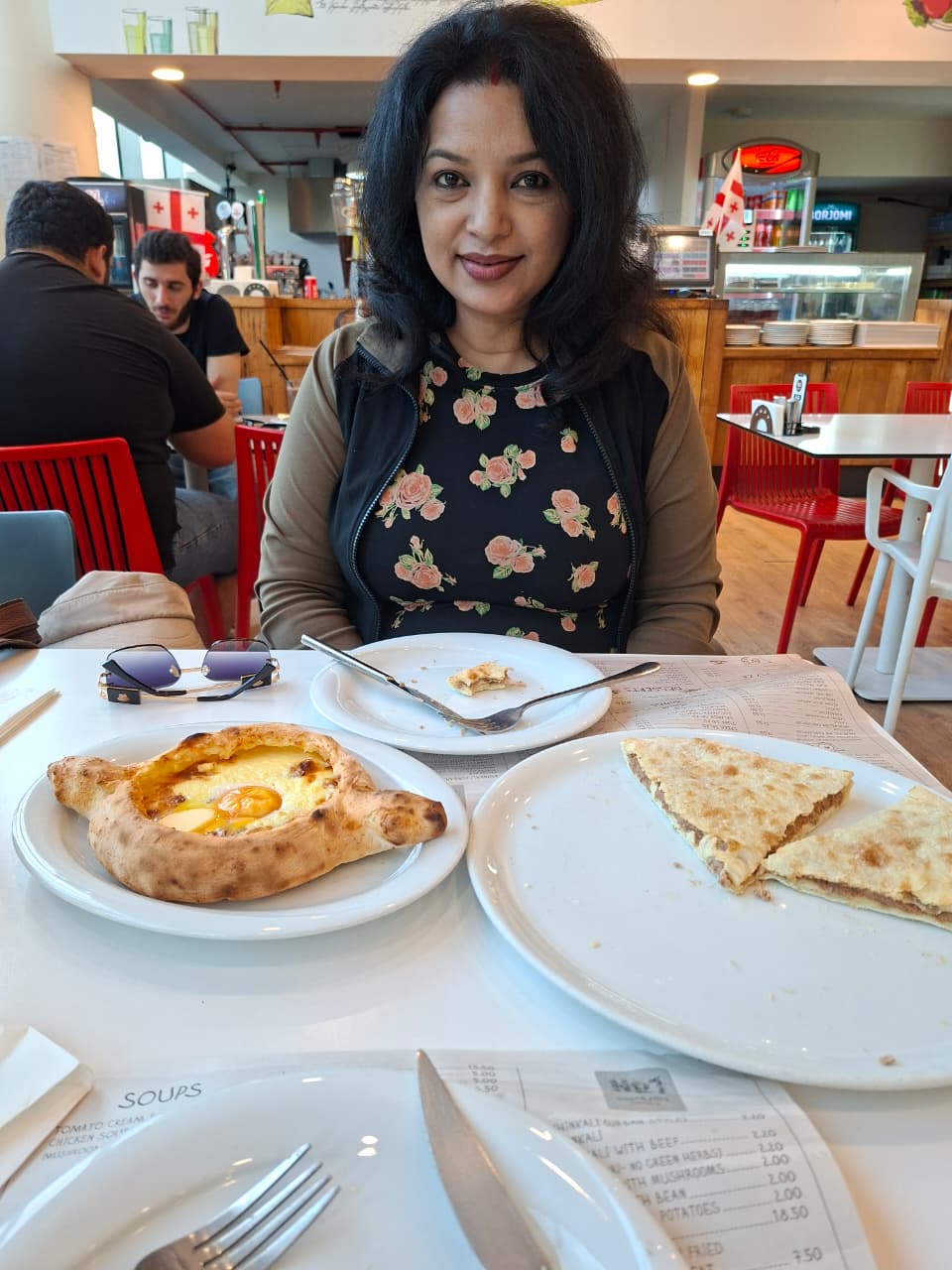
For lunch, we ordered a small Adjarian Khachapuri—the iconic boat-shaped bread filled with melted cheese, butter and a runny egg—along with a Lobiani, a traditional Georgian flatbread stuffed with seasoned mashed beans.
The combination was perfect for the two of us, providing a satisfying yet light meal that left us comfortable and ready to enjoy the rest of our day's sightseeing.
Simple, authentic Georgian food that was both comforting and incredibly delicious.
Gori Visiting the Stalin Museum
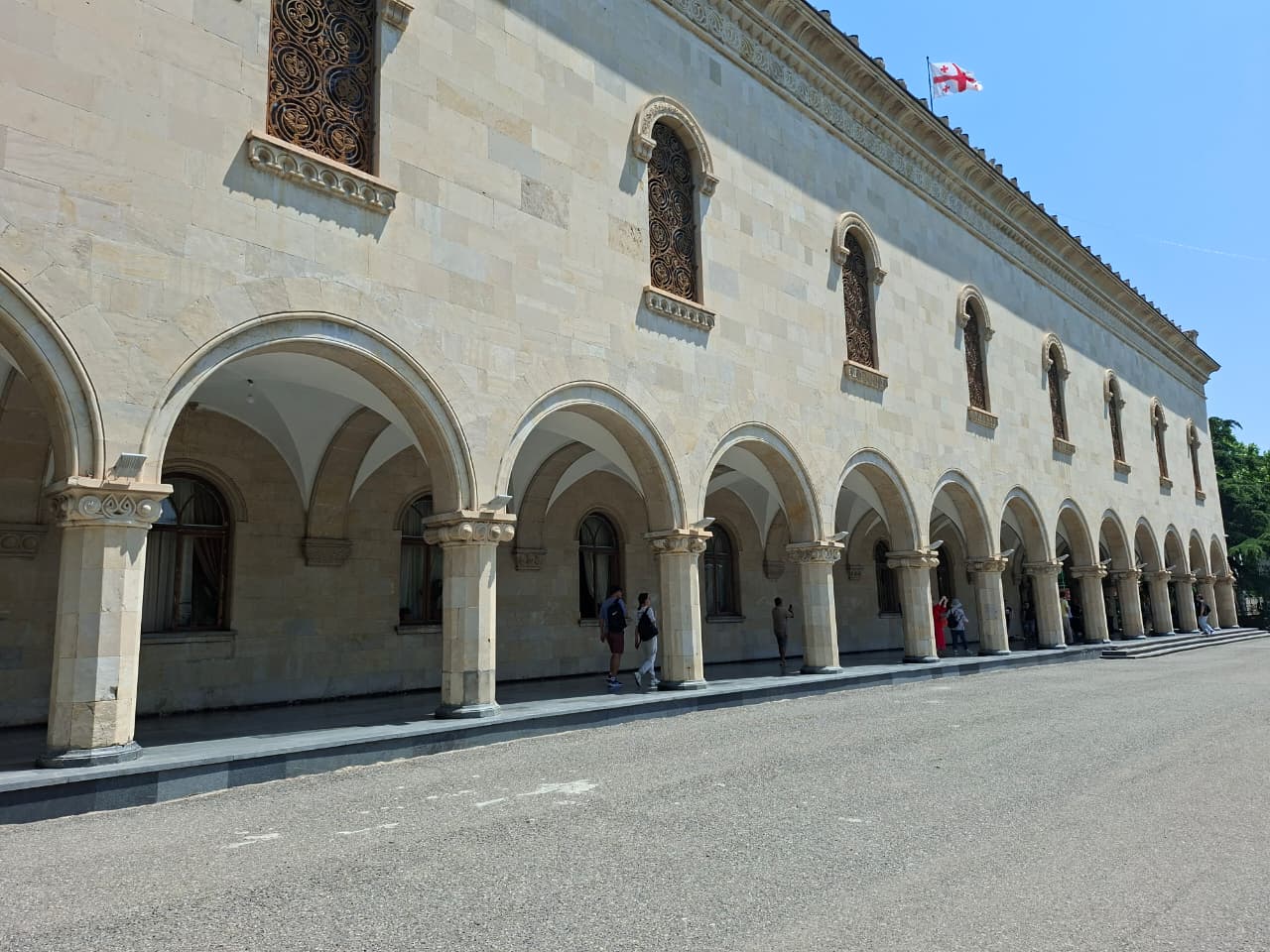
From Mtskheta, we continued to Gori, the birthplace of Joseph Stalin, to visit the Stalin Museum. Established in 1957, the museum chronicles Stalin's life from his childhood in Gori to his rise as the leader of the Soviet Union. Its extensive collection includes personal belongings, photographs, documents, gifts from around the world, and the modest house where he was born, which has been preserved within the museum complex.
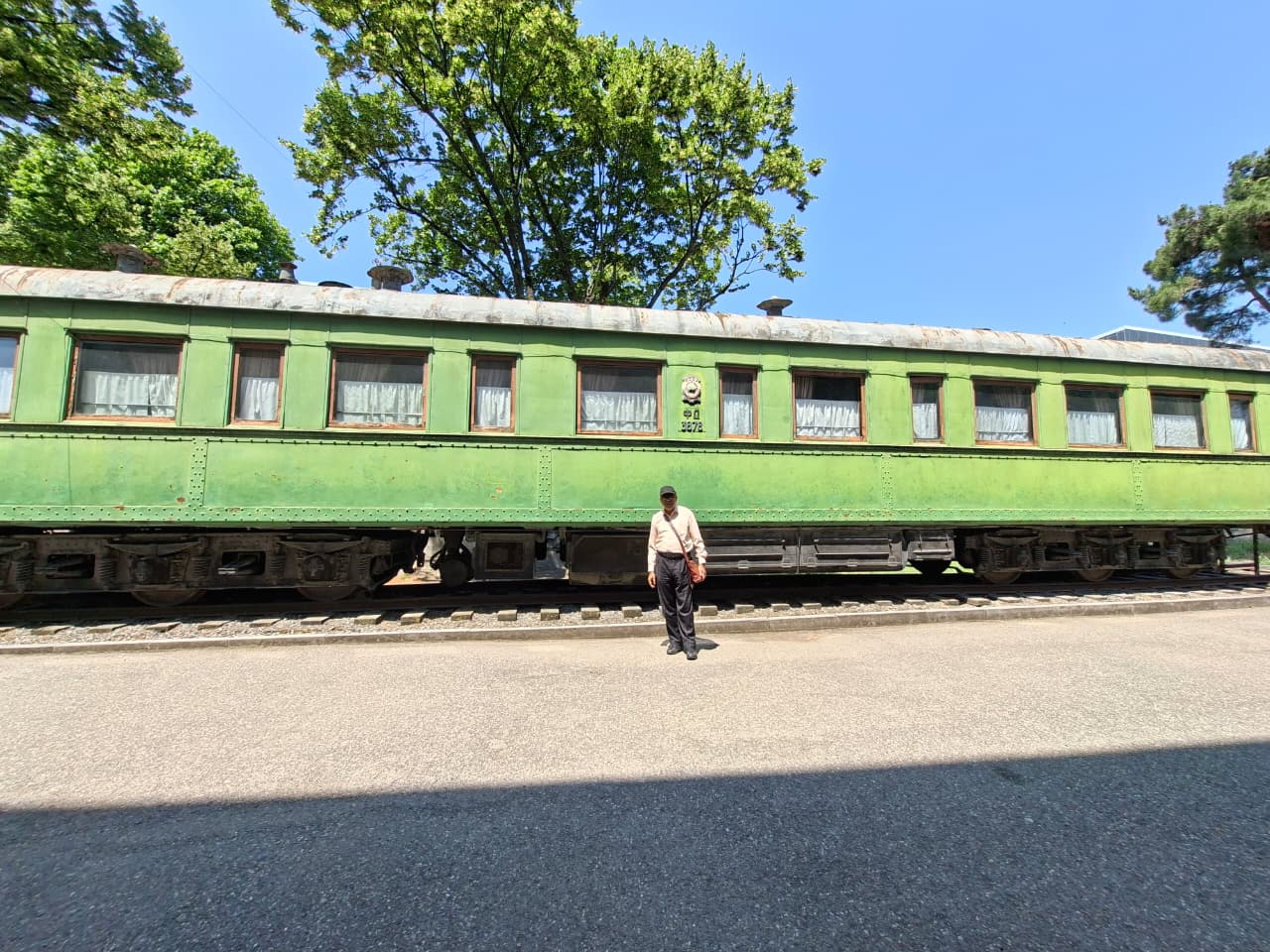
Outside the museum stands Stalin's heavily armoured railway carriage, used for his official journeys during the Second World War and to major wartime conferences because he was reluctant to travel by air. Walking through the carriage offered a fascinating glimpse into the security and comfort afforded to one of the twentieth century's most influential and controversial leaders. We spent nearly two hours exploring the museum and its exhibits before returning to Tbilisi, bringing another memorable day of our Georgian journey to a close.
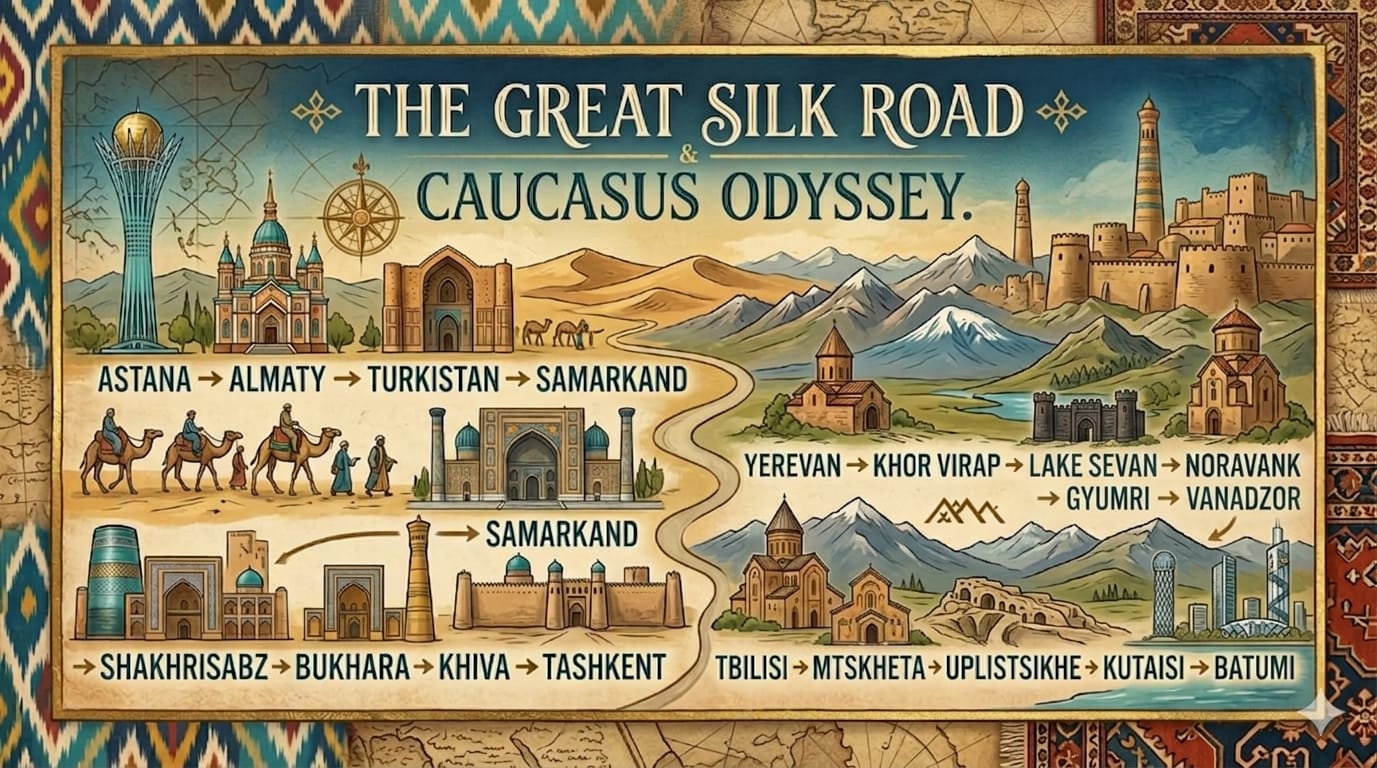
Navigate the Caravan Route
Read Next: Other Dispatches
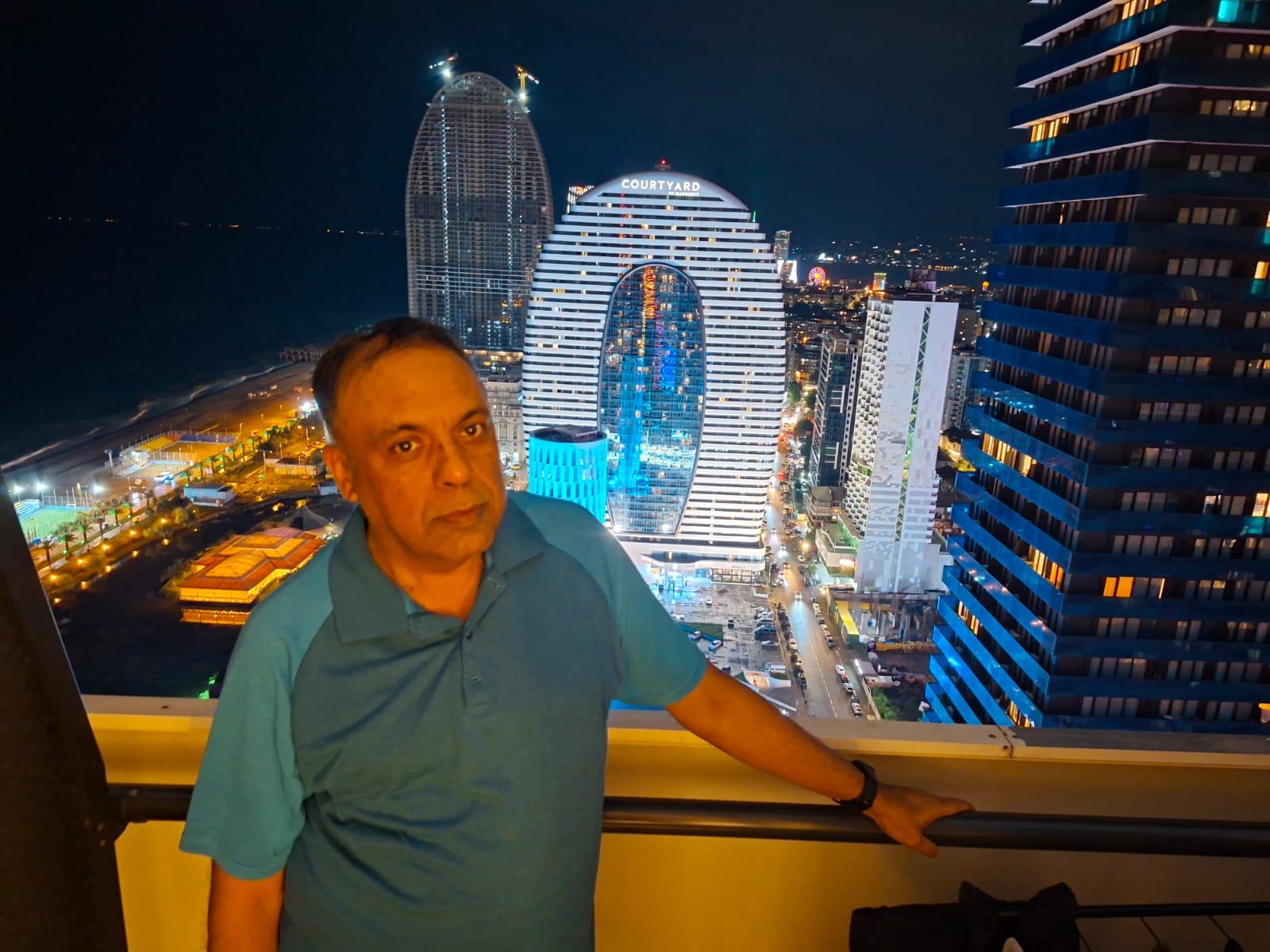
Batumi
A vibrant Black Sea port that served as a western gateway for goods traveling along Silk Road routes.
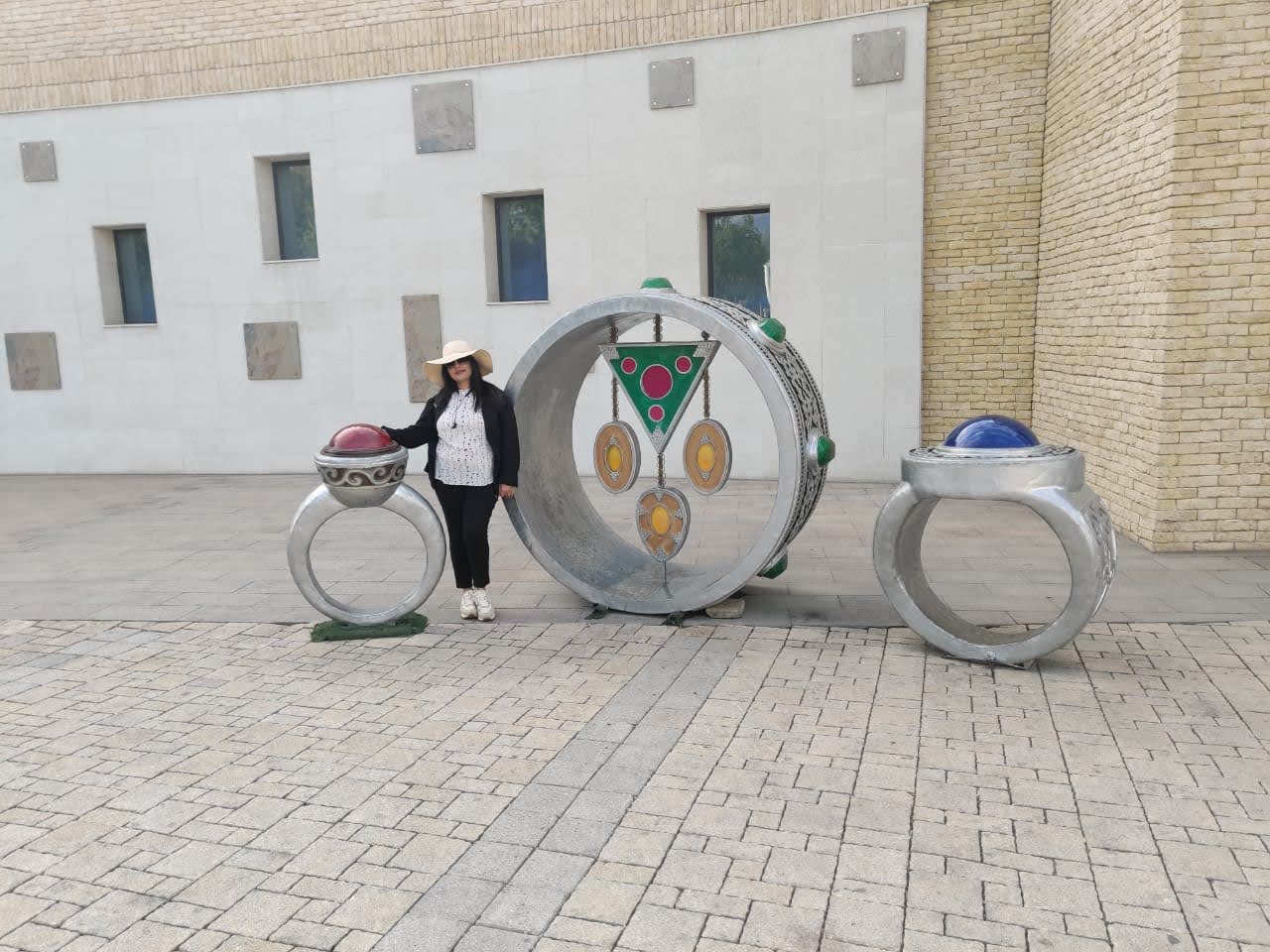
Turkistan
A major spiritual and trading center on the Silk Road, famed for the Mausoleum of Khoja Ahmed Yasawi.
Get the complete Field Notebooks in your inbox
Subscribe to receive weekly dispatches detailing train logistics, border crossing forms, and historical accounts from our future travels.